

1. Introduction to E-Commerce
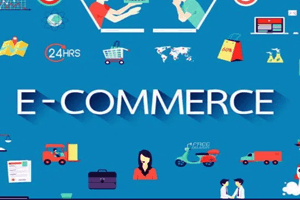
E-commerce, short for electronic commerce, refers to the buying and selling of goods and services over the internet. Since its inception in the late 20th century, e-commerce has grown into a multi-trillion-dollar industry, reshaping traditional commerce and influencing consumer behavior.
With the rise of smartphones and widespread internet access, e-commerce has become a dominant force in global markets. Platforms like Amazon, Alibaba, and Shopify have set the standard for online shopping, while smaller businesses and entrepreneurs continue to thrive through digital storefronts.
2. The Evolution of E-Commerce
E-commerce has undergone significant changes since its early days. In the 1990s, the advent of secure online payment systems enabled the first e-commerce transactions. Over time, technological advancements such as mobile optimization, artificial intelligence, and blockchain have further revolutionized the industry.
The COVID-19 pandemic accelerated e-commerce adoption, as businesses sought ways to maintain operations amid lockdowns. This period also saw the rise of new models like direct-to-consumer (DTC) and subscription-based e-commerce, highlighting the sector's adaptability and innovation.
3. Key Benefits of E-Commerce for Businesses and Consumers
E-commerce offers numerous advantages, including:
- Global Reach: Businesses can access customers worldwide without the need for physical stores.
- Convenience: Consumers can shop anytime, anywhere, from the comfort of their homes.
- Cost Efficiency: Lower operational costs for businesses compared to brick-and-mortar establishments.
- Personalization: Advanced analytics enable tailored recommendations and targeted marketing.
- Variety: Shoppers have access to an extensive range of products and services.
These benefits have made e-commerce a preferred choice for millions of businesses and consumers alike.

4. Challenges Faced by E-Commerce Platforms
Despite its advantages, e-commerce comes with its own set of challenges:
- Cybersecurity Risks: Online platforms are vulnerable to hacking and data breaches.
- Logistics and Supply Chain Issues: Ensuring timely delivery can be complex and costly.
- Competition: The industry is highly competitive, with new entrants emerging regularly.
- Customer Trust: Building and maintaining trust is critical, especially for lesser-known brands.
- Regulatory Compliance: Navigating international laws and regulations can be daunting.
Addressing these challenges requires continuous investment in technology, customer service, and operational efficiency.

5. Emerging Trends in the E-Commerce Industry
E-commerce continues to evolve, driven by technological innovations and changing consumer preferences. Key trends include:
- Mobile Commerce (M-Commerce): Shopping via mobile apps and devices is on the rise.
- Artificial Intelligence (AI): AI-powered chatbots, product recommendations, and inventory management are enhancing user experiences.
- Sustainability: Eco-friendly packaging and ethical sourcing are becoming priorities for consumers.
- Augmented Reality (AR): Virtual try-ons for fashion and home goods are transforming the shopping experience.
- Social Commerce: Platforms like Instagram and TikTok are becoming hubs for direct purchasing.
These trends highlight the importance of staying agile and innovative in the e-commerce space.

6. Strategies for E-Commerce Success
To succeed in the competitive e-commerce landscape, businesses should:
- Invest in SEO and Digital Marketing: Enhance visibility and attract the right audience.
- Optimize User Experience (UX): Ensure a seamless and intuitive interface across devices.
- Leverage Data Analytics: Use insights to make informed decisions and improve performance.
- Focus on Customer Engagement: Build loyalty through personalized experiences and excellent service.
- Adopt Omnichannel Strategies: Integrate online and offline channels for a cohesive brand presence.
By implementing these strategies, businesses can maximize their potential and achieve sustainable growth in the e-commerce sector.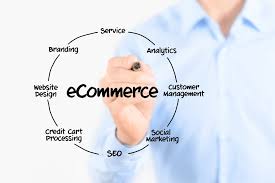

You must be logged in to post a comment.