


1. Introduction
Parents are the most important people in our lives. They play a special role in shaping our personality, character, education, and future. From the moment we are born, our parents provide us with love, care, protection, and guidance. They work hard to give us a comfortable life and help us become responsible individuals.
The relationship between parents and children is one of the strongest relationships in the world. Parents support their children during difficult times, celebrate their achievements, and encourage them to follow their dreams. Their love is often unconditional because they care about their children's happiness without expecting anything in return.
In today's busy world, people sometimes forget to appreciate their parents. Understanding their importance reminds us to respect, love, and care for them.
2. The Unconditional Love of Parents
A parent's love is one of the purest forms of love. Parents love their children regardless of their mistakes, weaknesses, or failures. They try to understand their feelings and help them overcome challenges.
A mother often expresses her love through daily care, emotional support, and affection. A father may demonstrate his love through protection, responsibility, hard work, and guidance. However, both parents contribute equally to creating a loving family environment.
Children feel safe and confident when they know their parents are always there for them. This emotional security helps them develop healthy relationships and a positive attitude toward life.

3. The Role of a Mother in Family Life
A mother plays an important role in the emotional and personal development of her children. She often manages many responsibilities while ensuring that her family feels loved and supported.
From preparing meals to helping children with their education, mothers contribute to almost every part of family life. They teach children kindness, patience, honesty, and respect.
A mother's advice can help children make better decisions. When children face disappointment or difficulties, a caring mother can provide comfort and encouragement.
Her sacrifices are not always visible, but her contributions make a lasting difference in the lives of her children.
4. The Role of a Father in Family Life
A father also plays a significant role in raising children and building a strong family. He often works hard to provide financial stability, education, healthcare, and other necessities.
Beyond financial responsibilities, a father teaches important life lessons. He encourages children to become confident, independent, and responsible.
A supportive father listens to his children's problems and helps them understand the importance of discipline and hard work. His positive involvement can improve children's confidence and decision-making abilities.
A father is not only a provider but also a teacher, supporter, and friend.
5. Parents as the First Teachers
Parents are children's first teachers. Before entering school, children learn many basic skills and values from their families.
They learn how to speak, behave, communicate, share, and respect others by observing their parents. Their everyday actions become examples for young children.
For example, when parents speak politely, children learn good communication. When parents help others, children understand kindness and generosity.
Schools provide formal education, but parents build the foundation of character and personality. A strong connection between parents and teachers can also improve children's educational progress.
6. The Importance of Parents in Education
Education is essential for building a successful future, and parents play an important role in this journey. They encourage their children to attend school, complete homework, and develop useful skills.
Parents who show interest in their children's education can help them remain motivated. They can communicate with teachers, discuss academic progress, and provide a peaceful environment for studying.
Not every child learns at the same speed. Some children need additional attention and encouragement. Supportive parents understand these differences and help their children improve without unnecessary pressure.
Their encouragement teaches children that education is valuable and that learning continues throughout life.
7. Parents' Sacrifices and Hard Work
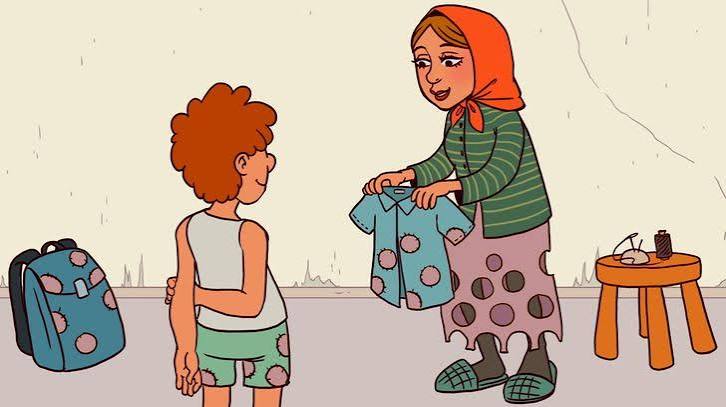
Parents make many sacrifices to provide better opportunities for their children. They may work long hours, reduce their personal expenses, and put their children's needs before their own comfort.
Sometimes parents hide their worries because they do not want their children to feel stressed. They try to solve family problems while continuing their responsibilities.
These sacrifices are not always measured through money. Emotional support, time, patience, and personal attention are equally valuable.
Children should recognize these efforts and express appreciation through respectful behavior, kindness, and responsibility.
8. Respecting Parents in Modern Society
Modern technology and busy lifestyles have changed family relationships. Many young people spend hours using mobile phones and social media while giving less attention to their parents.
This can create emotional distance between family members. Spending quality time together is important for maintaining strong relationships.
Children should listen carefully when their parents speak, ask about their health, and include them in family discussions. Small actions, such as sharing a meal or having a meaningful conversation, can make parents feel valued.
Respect does not mean that children cannot have different opinions. They can express their thoughts politely while maintaining love and understanding.
9. How Children Can Make Their Parents Happy
Making parents happy does not always require expensive gifts or special celebrations. Simple actions can bring them great joy.
Children can make their parents happy by respecting their decisions, helping with household responsibilities, working hard in their studies, and behaving honestly.
They should also spend time with their parents and appreciate their efforts. When parents become older, they may need more attention, care, and emotional support.
A kind conversation, a sincere thank-you, or helping them with daily activities can make a meaningful difference.
10. Parents and Children's Mental Well-Being
A healthy relationship with parents can positively influence children's emotional well-being. When children feel comfortable sharing their thoughts and problems, they are less likely to feel alone during difficult situations.
Supportive parents listen without immediately judging their children. They provide guidance while allowing them to learn from their experiences.
Children also need encouragement when they fail. Instead of comparing them with others, parents should recognize their individual abilities and efforts.
A peaceful and supportive family environment helps children develop confidence, emotional strength, and a sense of belonging.
11. Caring for Parents in Old Age
Parents spend many years caring for their children. As they grow older, their physical and emotional needs may change. They may require medical attention, assistance with daily activities, and more family time.
Adult children should understand that caring for elderly parents is an important responsibility. They should treat them with patience, dignity, and kindness.
Even when children become busy with their careers and families, they should make time for their parents. Regular conversations, visits, and practical support can help older parents feel respected and connected.
Their age should never become a reason to ignore their feelings or needs.
12. Conclusion
Parents are precious blessings in our lives. Their love, sacrifices, guidance, and encouragement help us become better human beings. They teach us important values and support us through different stages of life.
We should never wait for a special occasion to appreciate our parents. Respecting them, listening to them, spending time with them, and caring for their needs are meaningful ways to express our love.
Success becomes more valuable when we share our happiness with the people who supported us from the beginning. Parents deserve our gratitude, kindness, and respect throughout their lives.







Comments 0
Sign in to join the conversation.
No comments yet. Be the first to say something.