

1. What is Software?
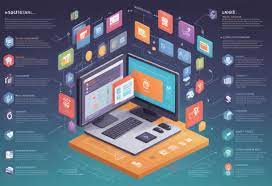
Software refers to the collection of data, programs, and instructions that tell a computer how to perform specific tasks. Unlike hardware, which is the physical component of a computer, software operates virtually to provide functionality. There are two main types of software: system software and application software. System software includes operating systems (like Windows, macOS, or Linux) that manage hardware resources, while application software includes programs like word processors, web browsers, and games, which are designed to meet specific user needs. The development of software involves writing code, designing user interfaces, testing, and continuous improvement to meet changing requirements.
2. The Basics of Programming
Programming, also known as coding, is the process of writing instructions that a computer can execute to perform a task. The goal of programming is to create efficient and effective solutions to problems. It involves understanding algorithms (a series of steps or instructions) and using a programming language to translate them into code. Programming is done using various paradigms, such as procedural programming (which follows a set sequence of steps), object-oriented programming (which organizes code into objects with properties and methods), and functional programming (which focuses on using mathematical functions). Successful programming requires logical thinking, problem-solving skills, and familiarity with various tools and technologies.

3. Popular Programming Languages
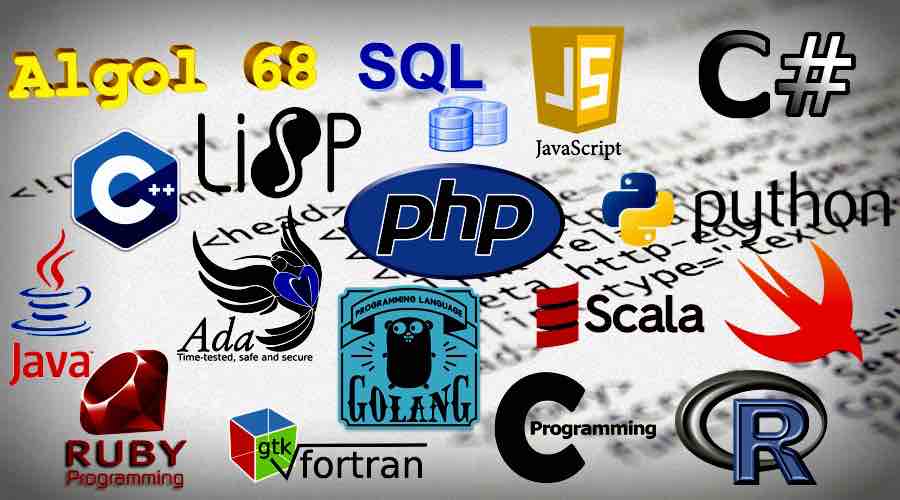
There are numerous programming languages used for software development, each designed for specific tasks. Some of the most popular include:
- Python: Known for its simplicity and readability, Python is widely used in web development, data science, artificial intelligence, and automation.
- JavaScript: A cornerstone of web development, JavaScript is essential for creating interactive websites and dynamic web applications.
- Java: Java is commonly used for enterprise-level applications, mobile development (especially Android apps), and large-scale systems due to its stability and scalability.
- C/C++: These languages are often used for system-level programming, embedded systems, and high-performance applications like video games.
- Ruby: Known for its elegant syntax, Ruby is frequently used in web development, particularly with the Ruby on Rails framework.
- Swift: Apple's programming language, Swift, is used for developing iOS and macOS applications, offering performance and safety features for mobile development.
Choosing the right programming language depends on the project requirements, the platform, and the desired performance characteristics.
4. Best Practices in Software Development
To develop high-quality software, programmers must adhere to best practices that ensure the software is reliable, maintainable, and scalable. These practices include:
- Code Quality: Writing clean, readable code that follows established naming conventions and is easy for other developers to understand.
- Version Control: Using tools like Git to track changes to the codebase, collaborate with other developers, and maintain a history of development.
- Testing: Implementing thorough testing procedures (unit tests, integration tests, and user acceptance tests) to identify bugs and ensure that the software meets its requirements.
- Documentation: Proper documentation helps other developers understand the codebase and provides a reference for future maintenance or updates.
- Agile Methodology: Agile practices like Scrum or Kanban focus on iterative development and constant communication between developers and stakeholders to improve the development process.
- Code Review: Regular code reviews between team members ensure that the software is being developed according to the best standards and can help identify potential issues early in the process.
5. Trends in Software and Programming
The software development landscape is constantly evolving. Some of the most important trends shaping the field include:
- Artificial Intelligence and Machine Learning: The integration of AI and ML into software solutions is transforming industries like healthcare, finance, and retail. These technologies allow for smarter applications that can learn from data and make predictions or decisions.
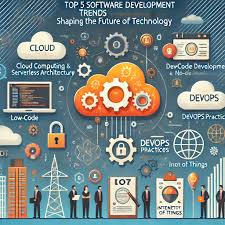
- Cloud Computing: Cloud platforms like AWS, Microsoft Azure, and Google Cloud are revolutionizing how software is deployed, providing scalable, cost-effective solutions for businesses.
- DevOps: The DevOps culture, which focuses on collaboration between development and operations teams, has become an integral part of modern software development. It emphasizes automation, continuous integration, and continuous delivery (CI/CD).
- Low-Code/No-Code Development: These platforms allow users with little to no programming knowledge to build applications through visual interfaces, making development more accessible to a wider audience.
- Cybersecurity: As cyber threats continue to evolve, software development is increasingly focused on ensuring security throughout the development lifecycle, from secure coding practices to regular security audits.
- Blockchain: Blockchain technology is gaining traction beyond cryptocurrency, with applications in supply chain management, secure transactions, and data integrity.

You must be logged in to post a comment.