

The End of Language Barriers? How Real-Time Translation Technology Could Change Human Communication Forever
Introduction
For thousands of years, language barriers have shaped human civilization. They influenced trade, diplomacy, culture, and even conflict. People from different regions often struggled to communicate, relying on translators, interpreters, or years of language study to bridge the gap.
But in 2026, something remarkable is happening.
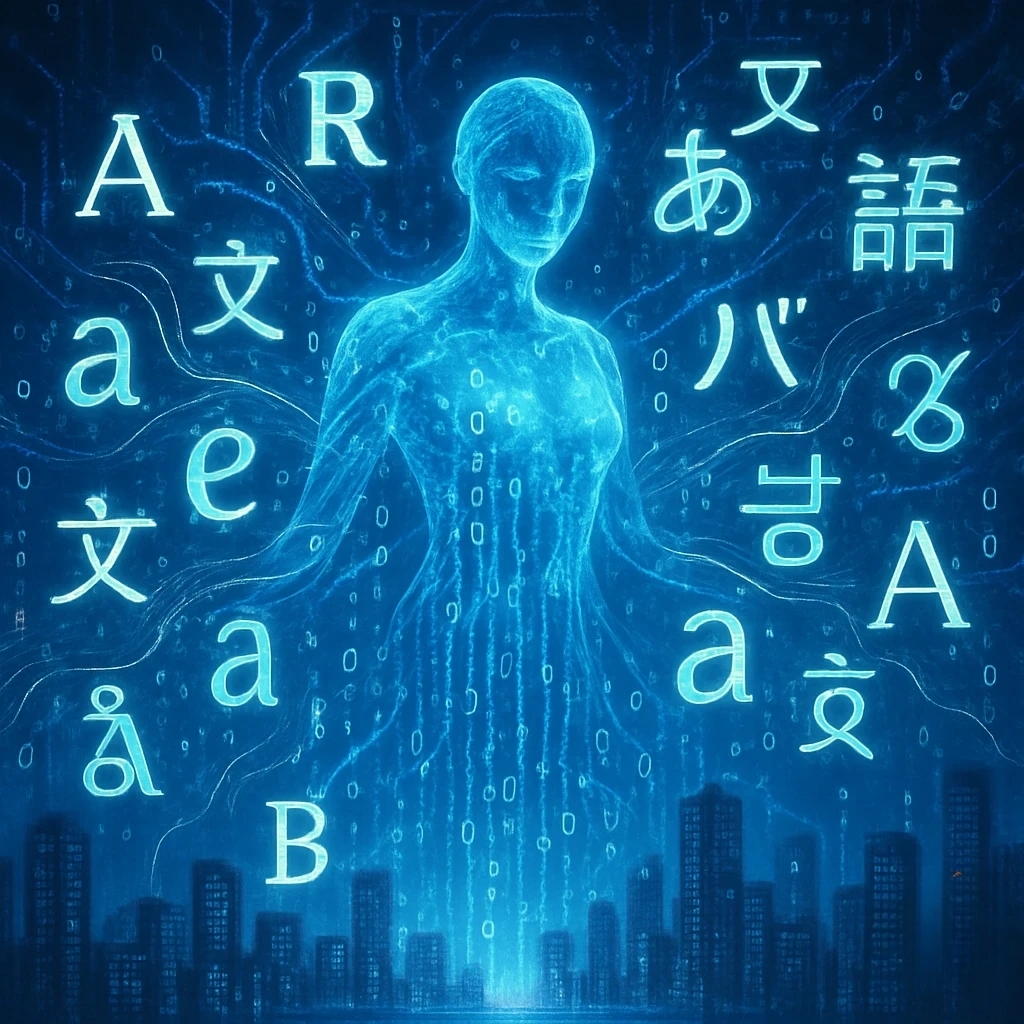
Thanks to rapid advancements in artificial intelligence, machine learning, and speech recognition, real-time translation technology is transforming the way humans communicate. Conversations between people speaking completely different languages can now happen instantly — sometimes with only a smartphone or a small wearable device.
From international business meetings to casual travel conversations, real-time translation tools are beginning to erase one of humanity’s oldest limitations.
Could we truly be approaching the end of language barriers?
This article explores how real-time translation works, the technology behind it, the companies leading the revolution, and how it could permanently reshape global communication.
The Long History of Language Barriers
Why Language Differences Exist
Human language evolved over tens of thousands of years. Communities developed unique vocabularies, grammar systems, and pronunciation patterns.
Today, experts estimate there are more than 7,000 languages spoken worldwide.
These differences developed due to:
Geographic isolation
Cultural evolution
Migration patterns
Historical conflicts
Trade and colonization
While diversity in language enriches human culture, it has also created enormous communication challenges.
How Language Barriers Impact the World
Language barriers affect nearly every part of modern society.
Global Business
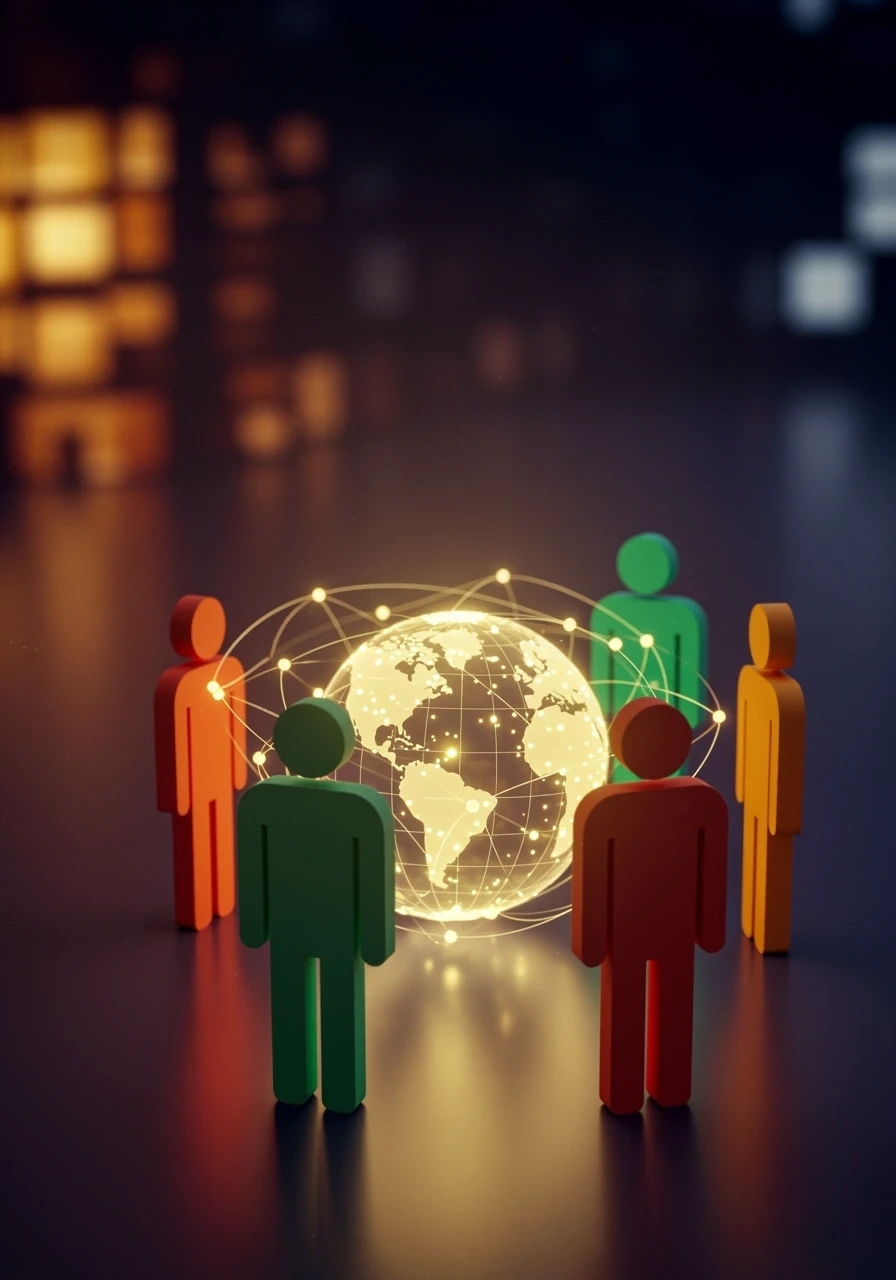
Companies operating internationally often struggle with:
Contract misunderstandings
Cultural miscommunication
Translation delays
Misinterpretation can cost businesses millions of dollars.
Travel and Tourism
Travelers frequently face problems such as:
Ordering food
Asking for directions
Handling emergencies
Even simple interactions can become stressful.
Healthcare
In hospitals, language barriers can lead to:
Incorrect diagnoses
Medication errors
Misunderstood treatment plans
Clear communication can literally mean the difference between life and death.
What Is Real-Time Translation Technology?
Definition
Real-time translation technology refers to AI-powered systems that instantly convert spoken or written language into another language during a conversation.
Unlike traditional translation software, these systems work live while people are speaking.
For example:
Person A speaks Spanish
The device instantly translates into English
Person B hears the translated sentence in seconds
The conversation continues naturally.
Key Features of Real-Time Translation
Modern translation technology includes several advanced capabilities:
Speech recognition
Instant translation
Voice synthesis
Context understanding
Multilingual processing
Some tools can translate over 100 languages instantly.
The Technology Behind Real-Time Translation
Real-time translation works through a combination of powerful AI technologies.
1. Automatic Speech Recognition (ASR)
ASR systems convert spoken language into text.
Key tasks include:
Detecting words in noisy environments
Identifying accents and dialects
Understanding natural speech patterns
AI models are trained on millions of hours of recorded speech.
2. Neural Machine Translation (NMT)
Once speech becomes text, neural networks translate the sentence into another language.
Neural Machine Translation systems analyze:
Sentence structure
Context
Cultural meaning
Modern NMT models can interpret entire phrases rather than translating word by word, which improves accuracy dramatically.
3. Natural Language Processing (NLP)
NLP allows machines to understand human language.
It helps AI:
Interpret slang
Detect tone
Understand idioms
Identify sarcasm or emotion
Without NLP, translations would sound robotic and unnatural.
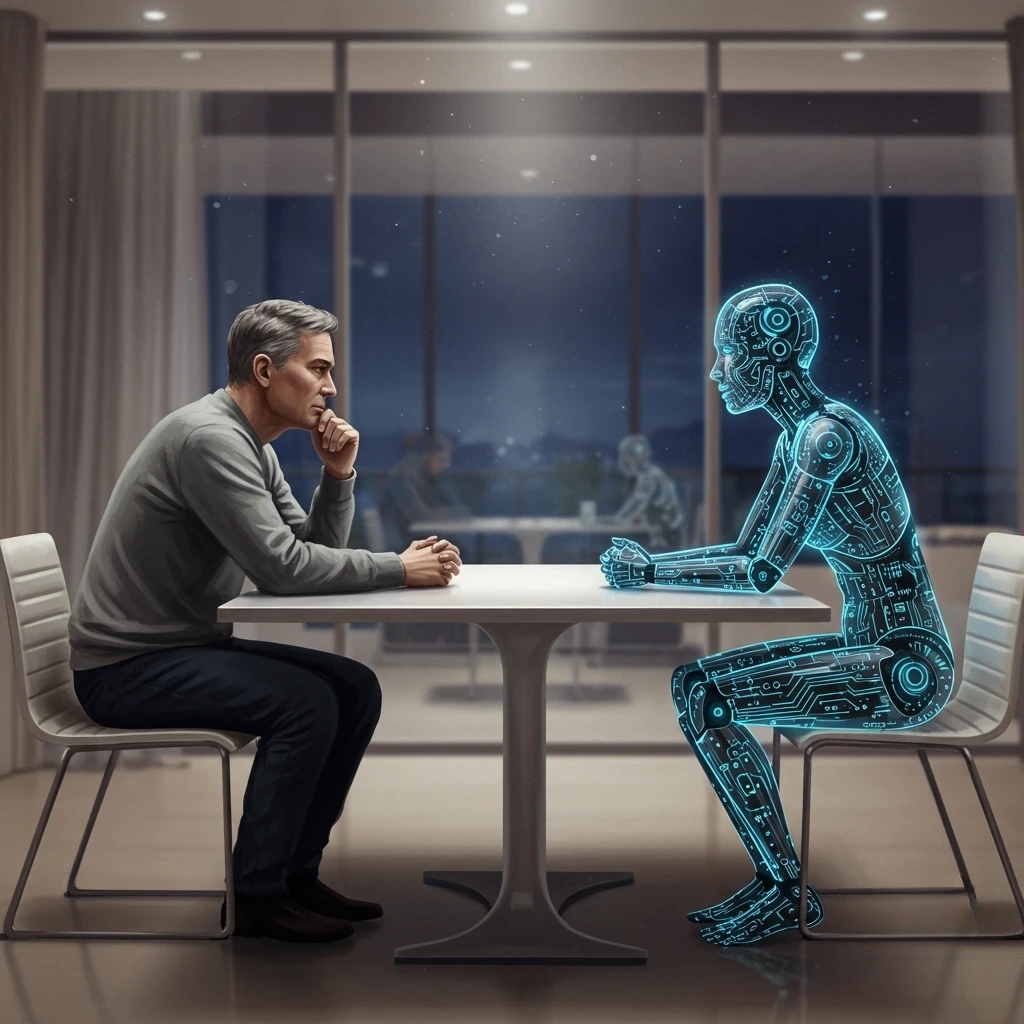
4. Text-to-Speech Synthesis (TTS)
After translation, the system converts text into spoken audio.
Advanced voice synthesis systems can:
Mimic natural human speech
Adjust tone and emotion
Speak with natural pacing
Some systems can even replicate the original speaker’s voice.
Devices Powering the Translation Revolution
Real-time translation is no longer limited to software. Many devices now offer built-in translation features.
Smartphones
Most modern smartphones now include translation tools.
Popular features include:
Voice conversation mode
Camera translation for text
Offline language packs
Travelers often rely on these apps for instant communication.
Translation Earbuds
Wireless earbuds with built-in translation are becoming increasingly popular.
These devices allow two people speaking different languages to talk naturally while the earbuds translate the conversation.
Benefits include:
Hands-free conversation
Faster translation speed
More natural communication
Many experts believe translation earbuds may become standard travel accessories.
Smart Glasses
Some tech companies are experimenting with AR-powered smart glasses that translate speech in real time.
Possible features include:
Subtitles appearing during conversations
Instant text translation for signs or menus
Multilingual video calls
This could revolutionize tourism and international collaboration.
Major Tech Companies Leading the Race
Real-time translation has become one of the most competitive fields in AI.
Several major companies are investing billions in the technology.
Global Tech Giants
Some of the biggest players include:
Microsoft
Meta
Apple
Amazon
These companies are integrating translation into:
Smartphones
smart assistants
messaging apps
video conferencing platforms
AI Startups Disrupting the Industry
Smaller companies are also pushing innovation.
Many startups specialize in:
Translation earbuds
AI voice cloning
multilingual customer service bots
Their innovations often push larger companies to improve their own systems.
Real-Time Translation in Business
Breaking Down Global Trade Barriers
Real-time translation could significantly expand international business.
Companies will be able to:
negotiate contracts instantly
hold multilingual meetings
collaborate across continents
Language will no longer limit business partnerships.
Remote Work Without Language Limits
Remote work has exploded in popularity since the pandemic.
Real-time translation could allow teams to include members from any country, regardless of language.
Benefits include:
Access to global talent
Lower hiring costs
faster international collaboration
Real-Time Translation in Travel
Stress-Free International Tourism
Travelers could soon visit any country without worrying about language.
Real-time translation allows tourists to:
talk with locals easily
ask for directions
order food confidently
This could make travel more enjoyable and less intimidating.
Cultural Exchange
Communication barriers often limit meaningful interactions between tourists and locals.
Real-time translation could encourage:
deeper conversations
cultural storytelling
authentic experiences
Travel may become more human and less transactional.
Education Without Language Limits
Access to Global Knowledge
Real-time translation could transform education by allowing students to access courses from any country.
Students could:
attend international universities online
read research papers in foreign languages
participate in global academic discussions
Knowledge would no longer be restricted by language.
Language Learning May Still Matter
Ironically, real-time translation might also encourage people to learn new languages.
Why?
Because technology can assist communication, but learning a language helps people understand:
culture
humor
emotions
social context
Human language still carries meaning beyond words.
Healthcare and Emergency Communication
Life-Saving Medical Conversations
In hospitals, real-time translation could solve serious communication problems.
Doctors could communicate instantly with patients who speak different languages.
Benefits include:
faster diagnoses
accurate medical instructions
improved patient trust
Disaster and Crisis Communication
During emergencies, communication must be immediate.
Real-time translation could help authorities deliver warnings in multiple languages instantly.
Examples include:
evacuation alerts
emergency medical instructions
disaster coordination
This technology could save lives.
Challenges Facing Real-Time Translation
Despite its potential, real-time translation still faces several challenges.
Accuracy Problems
AI translations sometimes struggle with:
idioms
slang
cultural references
humor
A sentence translated perfectly in grammar may still lose its meaning.
Dialects and Accents
Many languages contain dozens of dialects.
AI systems must learn to recognize:
regional pronunciation
slang variations
speech speed
This remains a major technical challenge.
Privacy Concerns
Real-time translation often requires processing conversations through cloud servers.
This raises concerns about:
data security
conversation monitoring
corporate data collection
Strong privacy protections will be necessary.
The Future of Real-Time Translation
AI Will Become More Context-Aware
Future translation systems will understand context better.
AI will eventually detect:
sarcasm
emotional tone
cultural nuance
This will make translations feel more natural.
Voice Cloning Translation
Some experimental systems can translate speech while preserving the original speaker’s voice.
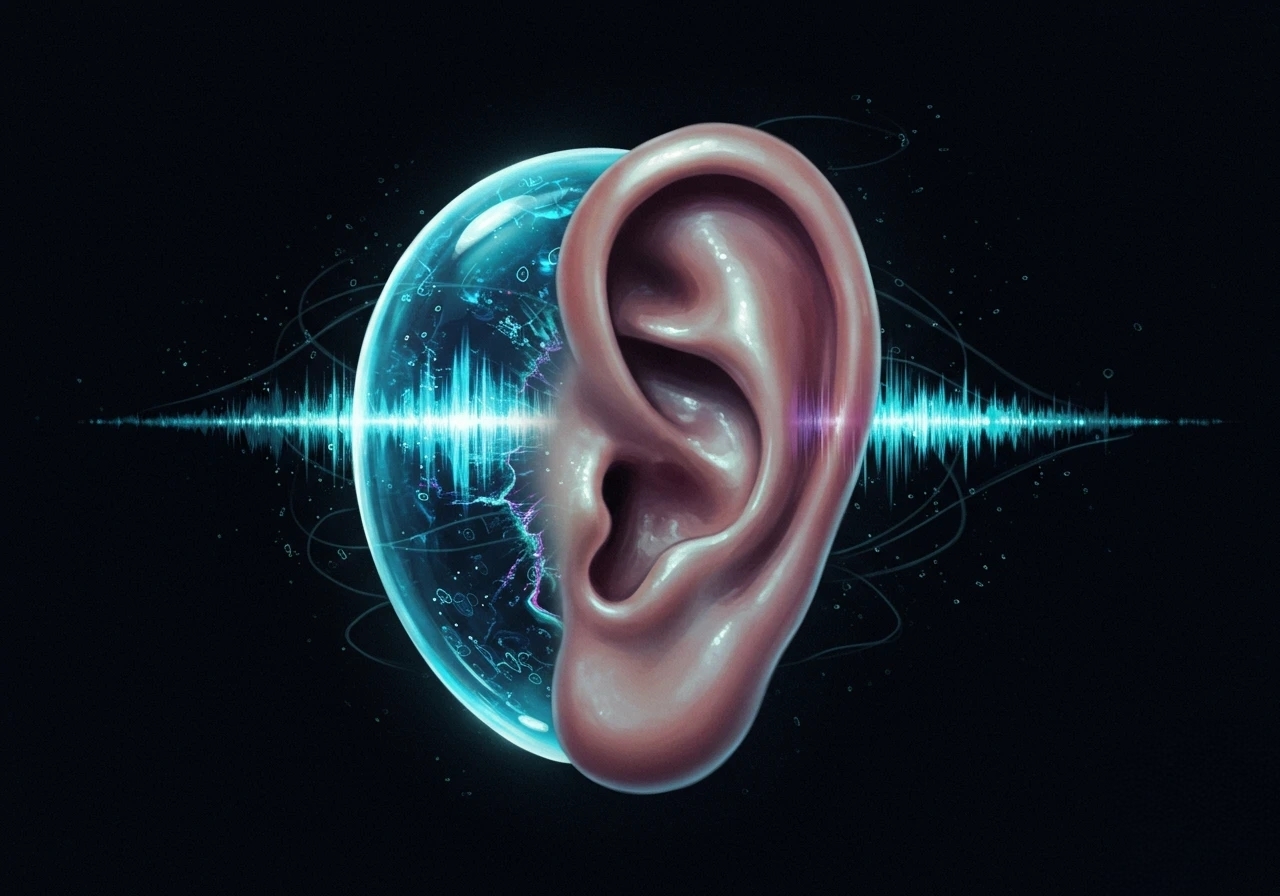
Imagine speaking English while a listener hears your voice speaking Japanese.
This could create incredibly natural conversations.
Universal Translation Devices
Many experts believe we may eventually have small universal translator devices similar to science fiction tools.
These could allow seamless communication anywhere in the world.
Could Language Barriers Truly Disappear?
While technology may solve communication problems, language itself will never disappear.
Languages carry:
history
identity
tradition
emotion
Real-time translation will not replace languages — but it may remove the walls between them.
The future may be a world where people keep their native languages while still understanding everyone else instantly.
Conclusion
Human civilization has always been divided by language. From ancient trade routes to modern diplomacy, communication barriers have shaped history.
But in the age of artificial intelligence, those barriers are beginning to crumble.
Real-time translation technology is rapidly evolving, powered by advances in machine learning, speech recognition, and natural language processing.
Soon, conversations between people who speak completely different languages may feel as natural as talking to a neighbor.
This breakthrough could reshape global business, travel, education, healthcare, and international collaboration.
The dream of a world where everyone can understand each other instantly may no longer be science fiction.
It may be the next great leap in human communication.

You must be logged in to post a comment.