

Introduction
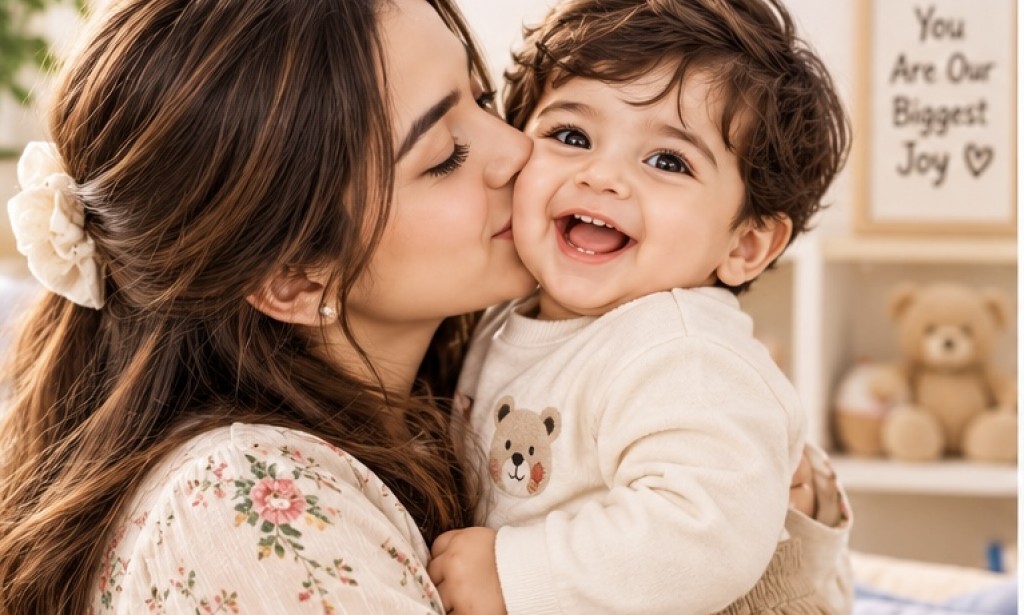
Parenthood is a life-changing experience that introduces a completely new meaning of love, responsibility, and happiness. The moment a child enters a family, everything begins to change. Daily routines become different, priorities shift, and even the smallest moments start feeling special. A baby's first smile, first word, first step, and first birthday become memories that parents treasure forever.
However, parenting is not always easy. Along with beautiful moments come sleepless nights, unexpected challenges, emotional struggles, and countless responsibilities. Every parent experiences situations that require patience, understanding, and continuous learning.
The truth is that nobody becomes a perfect parent overnight. Parenthood is a journey in which parents and children grow together.
1. Understanding the True Meaning of Parenthood
Parenthood is much more than providing food, clothes, education, and shelter. It is about creating a safe environment where children feel loved, respected, and understood.
Children need emotional support just as much as they need physical care. When parents listen to their children, appreciate their efforts, and respond to their feelings, they help build confidence and emotional security.
Every child has a different personality, learning speed, and emotional needs. Some children are naturally active, while others are quiet and observant. Comparing children with siblings, cousins, or other children can create unnecessary pressure.
Instead, parents should understand their child's individual personality and encourage development at a comfortable pace.
2. The Importance of Spending Quality Time Together
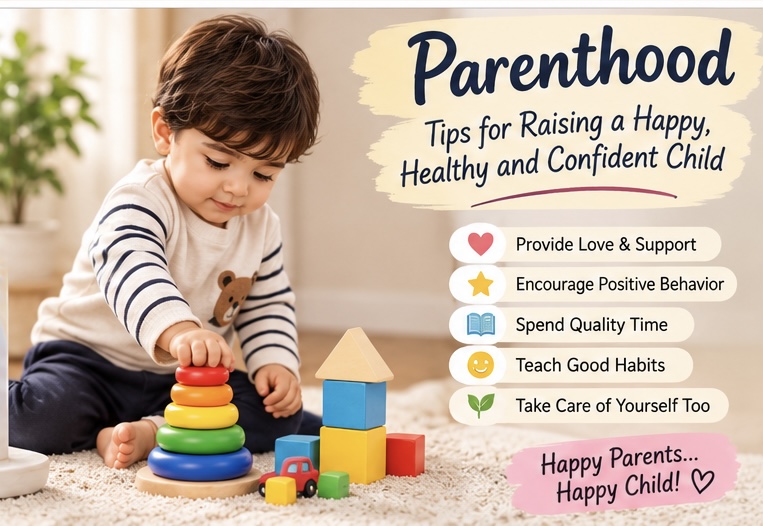
In today's busy world, parents often struggle to balance household responsibilities, professional commitments, and family life. However, spending quality time with children does not always require expensive activities or elaborate plans.
Simple moments can create the strongest memories.
For example:
Reading a bedtime story together.
Playing with toys or building blocks.
Talking about their day.
Singing nursery rhymes.
Going for a short walk.
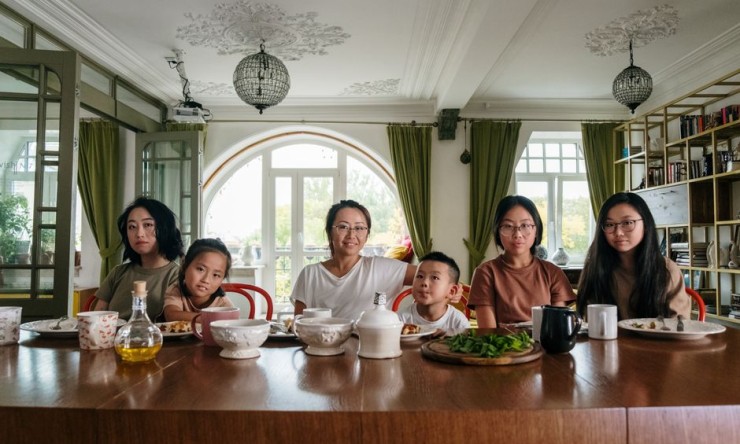
Enjoying meals together.
These activities help strengthen the emotional connection between parents and children.
Children who receive attention and encouragement often feel more comfortable expressing their emotions and communicating their needs.
Even fifteen to twenty minutes of uninterrupted playtime can make a meaningful difference in a child's daily routine.
3. Positive Parenting: Teaching Without Fear
Discipline is an important part of raising children, but it should never depend on fear, humiliation, or physical punishment.
Positive parenting focuses on teaching children the difference between acceptable and unacceptable behavior through patience, communication, and consistent boundaries.
For example, when a child throws toys, instead of shouting, parents can calmly explain why toys should be handled carefully.
Children do not always understand instructions immediately. Repetition and gentle guidance are essential parts of learning.
Parents can encourage positive behavior by:
Appreciating good efforts.
Setting clear and age-appropriate boundaries.
Remaining calm during difficult situations.
Explaining rules in simple language.
Offering choices whenever appropriate.
The purpose of discipline should be to teach valuable life skills, not simply to stop unwanted behavior.
4. Supporting a Child's Physical and Emotional Development
A child's development includes several important areas, including physical growth, communication, emotional understanding, and social skills.
Healthy meals, sufficient sleep, physical activity, and regular healthcare appointments support children's physical well-being.
Emotional development is equally important. Children need opportunities to express happiness, sadness, frustration, and excitement without feeling judged.
Parents can support development through everyday activities such as talking, singing, reading, drawing, and playing.
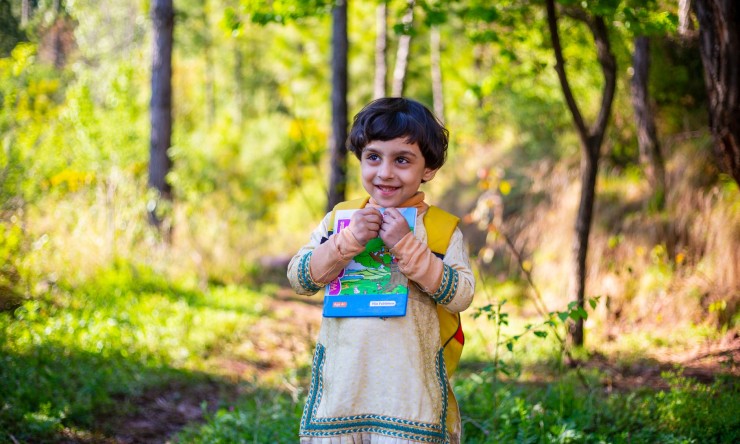
For younger children, interactive play is especially valuable. Simple activities like stacking blocks, identifying colors, exploring safe toys, and looking at picture books encourage curiosity and learning.
Parents should also remember that developmental milestones can vary. If they have concerns about their child's speech, movement, hearing, or behavior, discussing them with a qualified healthcare professional is always a good decision.
5. Managing the Challenges of Parenting
Every stage of childhood brings different challenges.
New parents may struggle with feeding schedules, sleep routines, and understanding their baby's needs. As children grow older, challenges may include tantrums, picky eating, communication difficulties, and establishing healthy habits.
It is normal for parents to feel overwhelmed sometimes.
Instead of expecting everything to go perfectly, parents should focus on making small improvements.
Creating simple daily routines can make family life more manageable. Consistent meal times, bedtime habits, and playtime can help children feel secure.
Parents should also avoid comparing their parenting journey with what they see on social media. Online pictures often show only the happiest moments, not the difficult days behind them.
Every family has its own circumstances, and there is no single parenting method that works perfectly for everyone.
6. Why Parental Self-Care Matters
One important aspect of parenthood that is often overlooked is the well-being of parents themselves.
Parents spend so much time caring for their children that they sometimes forget their own physical and emotional needs.
However, self-care is not selfish. It is an important part of maintaining a healthy family environment.
Getting enough rest whenever possible, eating nutritious meals, staying connected with supportive people, and taking short breaks can help parents manage everyday stress.
Partners should also support one another by sharing responsibilities rather than expecting one person to manage everything.
Asking for help from trusted family members is another healthy way to reduce pressure.
Remember, children benefit from having parents who feel supported, valued, and emotionally healthy.
7. Building a Strong Parent-Child Relationship
A strong parent-child relationship develops through trust, affection, communication, and consistency.
Children should feel comfortable approaching their parents when they make mistakes or experience difficulties.
Instead of immediately reacting with anger, parents can listen first and try to understand what happened.
Small gestures such as hugs, encouraging words, active listening, and appreciating a child's efforts help build lasting emotional connections.
Parents should also lead by example. Children observe how adults communicate, solve problems, treat others, and manage emotions.
When parents demonstrate kindness, honesty, respect, and patience, children have positive examples to follow.
Conclusion: Growing Together Through Parenthood
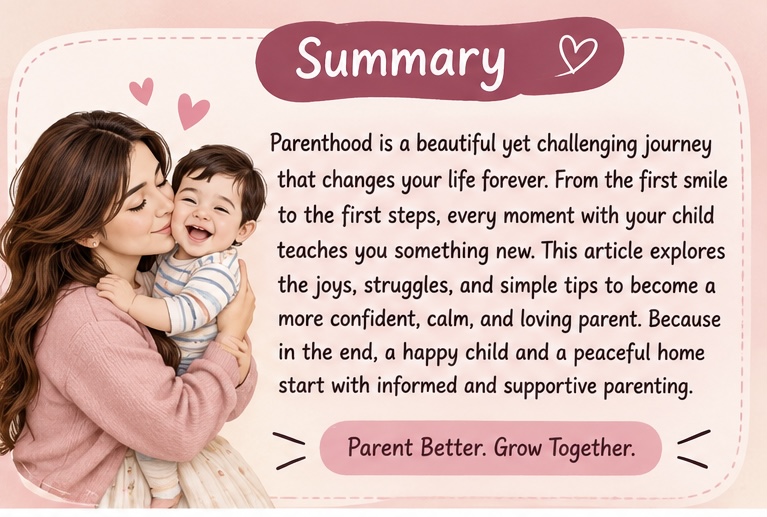
Parenthood is not about being a perfect mother or father. It is about being present, learning from mistakes, offering unconditional love, and making thoughtful efforts every day.
There will be beautiful days filled with laughter and unforgettable memories, as well as difficult days that test patience and strength. Both are natural parts of raising a child.
The most important thing parents can provide is not an expensive lifestyle or a perfect home, but a loving environment where children feel safe, appreciated, and encouraged to become themselves.
Children grow up faster than we sometimes realize. Their little hands become bigger, their first words turn into endless conversations, and the moments that once seemed ordinary become precious memories.
So, enjoy the little things, celebrate every achievement, listen with love, and remember that parenting is not a race.
The goal is not to raise a perfect child or become a perfect parent. The goal is to grow together, one beautiful day at a time.







Comments 0
Sign in to join the conversation.
No comments yet. Be the first to say something.