


Have you ever spent hours thinking about something that has already happened? Do you sometimes worry about situations that have not even occurred? If yes, you are not alone. Overthinking is something many people experience in their daily lives.
Life is full of responsibilities, challenges, unexpected situations, and difficult decisions. Sometimes, our minds become so busy thinking about everything that we forget to enjoy the present moment. We worry about the future, regret the past, and create problems in our minds that may never happen.
The good news is that you can learn to manage overthinking and develop a healthier mindset. You do not need to change your entire life overnight. Small daily habits can gradually help you feel more peaceful, confident, and positive.
Let's explore some practical ways to stop overthinking and start living a happier life.
1. Understand Why You Overthink
The first step towards controlling overthinking is understanding why it happens.
Some people overthink because they are afraid of making mistakes. Others worry about what people think of them, their financial situation, relationships, family responsibilities, or future plans.
Sometimes, even a small conversation can stay in our minds for hours. We repeatedly think about what we said, what someone meant, and what we should have done differently.
Instead of blaming yourself for thinking too much, try identifying what triggers these thoughts.
Ask yourself:
Is this problem actually happening right now?
Can I do something to improve the situation?
Am I worrying about something beyond my control?
Understanding your thoughts makes it easier to respond to them calmly.
2. Stop Trying to Control Everything
One of the biggest reasons people feel mentally exhausted is trying to control things they cannot change.
You cannot control everyone's opinions, decisions, reactions, or behaviour. You also cannot predict everything that will happen in the future.
Trying to manage every possible situation creates unnecessary stress.
Instead, focus on what is within your control. You can control your efforts, your attitude, your daily choices, and the way you respond to difficult situations.
Accepting that some things are beyond your control does not mean giving up. It means saving your energy for things that truly matter.
3. Learn to Live in the Present Moment
Many people spend so much time thinking about yesterday and tomorrow that they forget about today.
The past cannot be changed, and the future cannot be completely predicted. However, you can make positive choices in the present.
Try enjoying simple everyday moments. Have your favourite tea, spend time with your family, listen to music, take a walk, or enjoy a quiet moment without checking your phone.
Pay attention to what you are doing instead of allowing your mind to travel through endless worries.
Living in the present does not mean ignoring your responsibilities. It means learning to appreciate life while working towards your goals.
4. Create a Healthy Daily Routine
A healthy routine can make a meaningful difference in your mental and emotional well-being.
When your day has no structure, you may spend too much time worrying, scrolling through social media, or thinking about unnecessary things.
Start with a few simple habits:
Wake up at a consistent time.
Make your bed and organize your surroundings.
Eat balanced meals.
Drink enough water.
Spend some time outdoors.
Complete important tasks one by one.
Give yourself time to relax before sleeping.
You do not need a perfect routine. Choose habits that fit your lifestyle and maintain them consistently.
Small improvements can gradually create a more organized and peaceful life.
5. Stop Comparing Your Life with Others
Social media often makes people feel that everyone else is living a perfect life.
You see beautiful homes, successful careers, expensive vacations, happy families, and exciting achievements. However, you rarely see the struggles, disappointments, and difficult moments behind those pictures.
Comparing your everyday reality with someone else's carefully selected online moments can damage your confidence.
Remember that everyone has a different journey. Some people achieve their goals early, while others need more time.
Your progress does not become less valuable simply because someone else is moving faster.
Celebrate your achievements, appreciate what you have, and focus on becoming a better version of yourself.
6. Write Down Your Thoughts
Sometimes, our minds feel overwhelmed because we are trying to remember too many things at once.
Writing your thoughts in a notebook can help you understand your feelings and organize your concerns.
At the end of each day, write down three things:
What made you happy today?
What is worrying you?
What small action can you take tomorrow?
You can also write about your goals, dreams, challenges, and personal achievements.
Writing does not magically solve every problem, but it can help you understand your thoughts more clearly and identify practical solutions.

7. Learn to Say No Without Feeling Guilty
Many people overthink because they constantly try to make everyone happy.
They accept responsibilities they cannot manage, agree to things they do not want, and worry about disappointing others.
However, saying yes to everything can leave you emotionally and physically exhausted.
Learning to say no is an important part of maintaining healthy boundaries.
You can be kind and respectful without sacrificing your own needs all the time.
Your time, energy, and peace of mind are valuable. Give yourself permission to prioritize them.
8. Spend Time with Positive People
The people around us can influence our thoughts, emotions, and confidence.
Spending time with supportive people can make difficult situations easier to handle. A good conversation with a trusted friend or family member may help you see a problem from a different perspective.
Try spending less time in unnecessary arguments, negative conversations, and relationships that constantly make you feel emotionally drained.
You do not need a large social circle. Even one or two people who listen, understand, and encourage you can make a meaningful difference.
9. Take Care of Your Physical Health
Your physical and mental well-being are closely connected.
Poor sleep, lack of movement, irregular meals, and constant stress can affect your mood and ability to manage daily challenges.
Try making your physical health a priority.
Get enough sleep, enjoy regular physical activity according to your ability, eat nutritious foods, and take breaks when needed.
Even a short walk can help you clear your mind and feel refreshed.
If excessive worrying is affecting your sleep, relationships, or daily activities, consider speaking with a qualified mental health professional. Asking for support is a positive step, not a weakness.
10. Accept That Nobody Has a Perfect Life
One of the most important lessons in life is understanding that perfection does not exist.
Everyone experiences disappointment, mistakes, difficult decisions, and unexpected challenges.
Sometimes, we put too much pressure on ourselves to have everything figured out. We want perfect relationships, successful careers, financial stability, and a completely stress-free life.
But life does not always work according to our plans.
Instead of waiting for everything to become perfect before allowing yourself to feel happy, learn to appreciate the good things that already exist in your life.
You can work towards a better future while still enjoying the present.
11. Celebrate Small Achievements
People often focus so much on their biggest goals that they forget to appreciate their everyday progress.
Completing a difficult task, learning something new, managing a challenging situation, or simply getting through a difficult day deserves recognition.
You do not need to achieve something extraordinary every day to feel proud of yourself.
Small steps matter because they gradually lead to bigger changes.
Whenever you accomplish something, take a moment to appreciate your effort.
12. Be Kind to Yourself
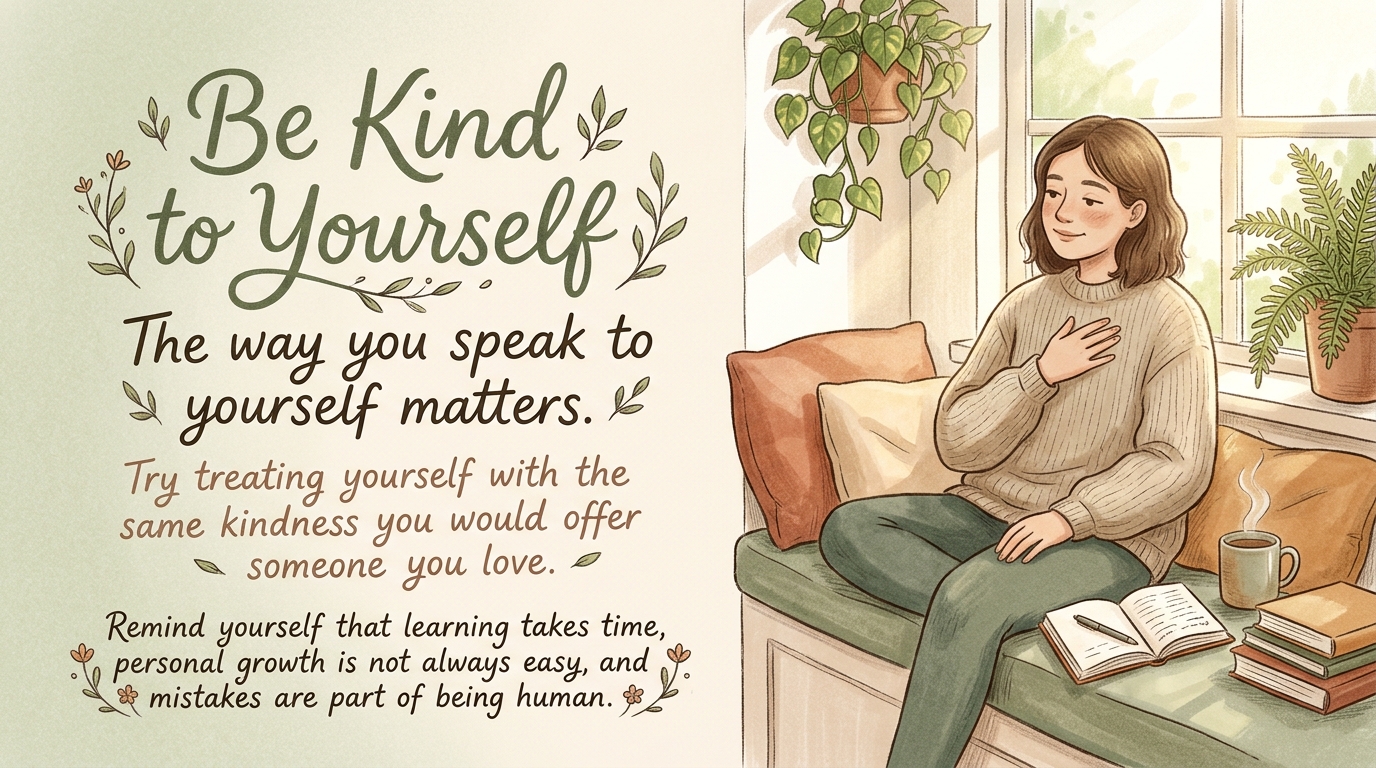
The way you speak to yourself matters.
If you constantly criticize yourself for mistakes, compare yourself with others, or believe that you are not doing enough, you may create additional emotional pressure.
Try treating yourself with the same kindness you would offer someone you love.
Remind yourself that learning takes time, personal growth is not always easy, and mistakes are part of being human.
You are allowed to have difficult days. You are allowed to rest. You are allowed to start again.
Self-improvement is not about becoming perfect. It is about learning, growing, and treating yourself with understanding.
Final Thoughts
A happier life does not necessarily come from having more money, expensive possessions, or a perfect lifestyle. Sometimes, happiness begins when we learn to appreciate simple moments, manage our thoughts, and stop putting unnecessary pressure on ourselves.
Overthinking may not disappear overnight, but you can gradually develop healthier habits that make everyday life easier.
Start with one small change today. Focus on what you can control, spend time with people who support you, and remember to appreciate your own journey.
You deserve a life where you are not constantly worrying about tomorrow or regretting yesterday. Give yourself permission to enjoy today, grow at your own pace, and find happiness in the little things.







Comments 0
Sign in to join the conversation.
No comments yet. Be the first to say something.