

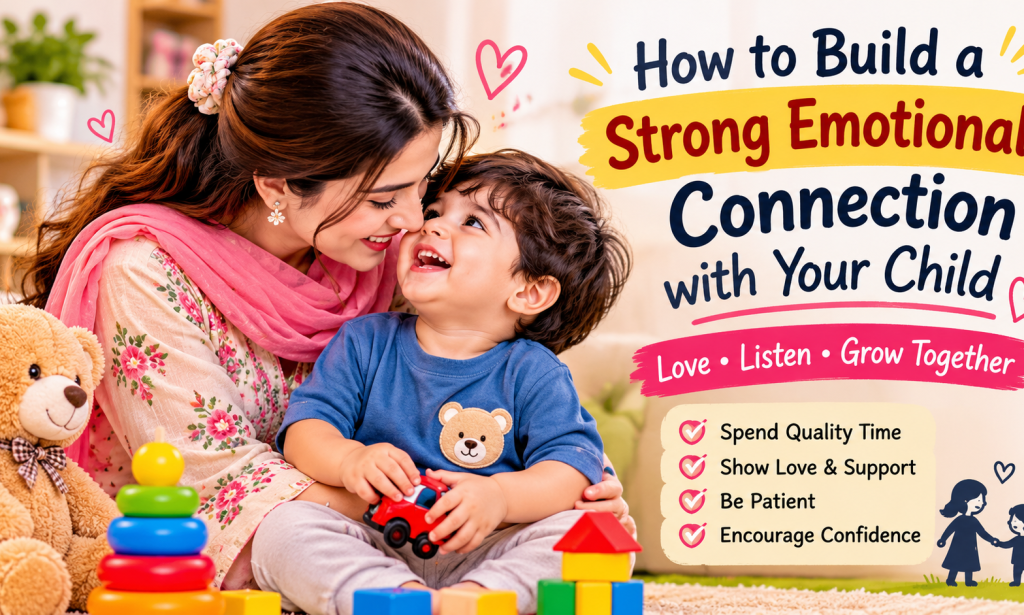
Building a strong emotional connection with your child is one of the most important parts of parenting. Children need more than food, clothes, toys, and education. They also need love, attention, understanding, and emotional security. The relationship parents build with their children during childhood can influence their confidence, communication skills, and ability to form healthy relationships as they grow older.
In today's busy world, parents often find themselves managing household responsibilities, work, financial pressures, and many other daily challenges. Sometimes, even when parents love their children deeply, they struggle to give them enough quality time. The good news is that building a strong bond does not require expensive activities or complicated parenting techniques. Small, consistent actions can make a meaningful difference.
Let's explore some simple ways to create a stronger emotional connection with your child.
1. Give Your Child Your Undivided Attention
One of the simplest ways to make children feel loved is to give them your attention. Children often try different ways to communicate their feelings, interests, and needs. Sometimes they want to show you a toy, tell you a small story, or simply sit beside you.
Instead of looking at your phone or focusing on other activities, try giving your child a few minutes of uninterrupted attention. Listen carefully, make eye contact, and respond with interest.
Even fifteen minutes of meaningful interaction can become a special part of your child's day. What matters most is not how much time you spend together but how present you are during that time.
2. Listen to Your Child Without Judging
Children experience emotions just like adults. They can feel happy, disappointed, frightened, frustrated, or confused. However, younger children may not always know how to explain what they are feeling.
As parents, we should create an environment where children feel comfortable expressing themselves.
When your child cries or becomes upset, try to understand the reason instead of immediately becoming angry. Sometimes children need comfort before they are ready to listen to instructions.
Listening patiently teaches children that their feelings matter. It also helps them develop better communication skills and emotional confidence.
3. Show Love Through Small Everyday Actions
Love does not always need grand gestures. Simple actions can communicate affection more effectively than expensive gifts.
A warm hug, a gentle smile, a loving conversation, or sitting together during playtime can help children feel safe and appreciated.
For younger children, physical affection and gentle interaction can be especially meaningful. Holding their hands, reading a story, singing a song, or playing a simple game creates opportunities for connection.
These little moments may seem ordinary to adults, but they can become precious memories for children.
4. Make Playtime a Daily Priority
Play is an important part of childhood development. Through play, children explore their surroundings, express creativity, learn new skills, and communicate their interests.
Parents can strengthen their relationship with their children by participating in activities they enjoy.
You do not need expensive toys or complicated games. Building blocks, picture books, drawing, singing, dancing, and simple pretend games can provide wonderful opportunities for interaction.
Allow your child to choose an activity sometimes. Follow their imagination and enjoy the experience without worrying about making everything perfect.
Playtime is not just entertainment. It is also a beautiful opportunity to understand your child's personality and interests.
5. Avoid Comparing Your Child with Others
Every child develops at their own pace. Some children begin speaking earlier, while others take more time. Some enjoy social activities, while others prefer quiet play.
Comparing your child with siblings, cousins, or other children can create unnecessary pressure.
Instead of focusing on what other children can do, appreciate your child's individual progress. Encourage their efforts and celebrate small achievements.
Positive encouragement helps children develop confidence and feel accepted.
Remember that your child needs your support, not constant comparisons.
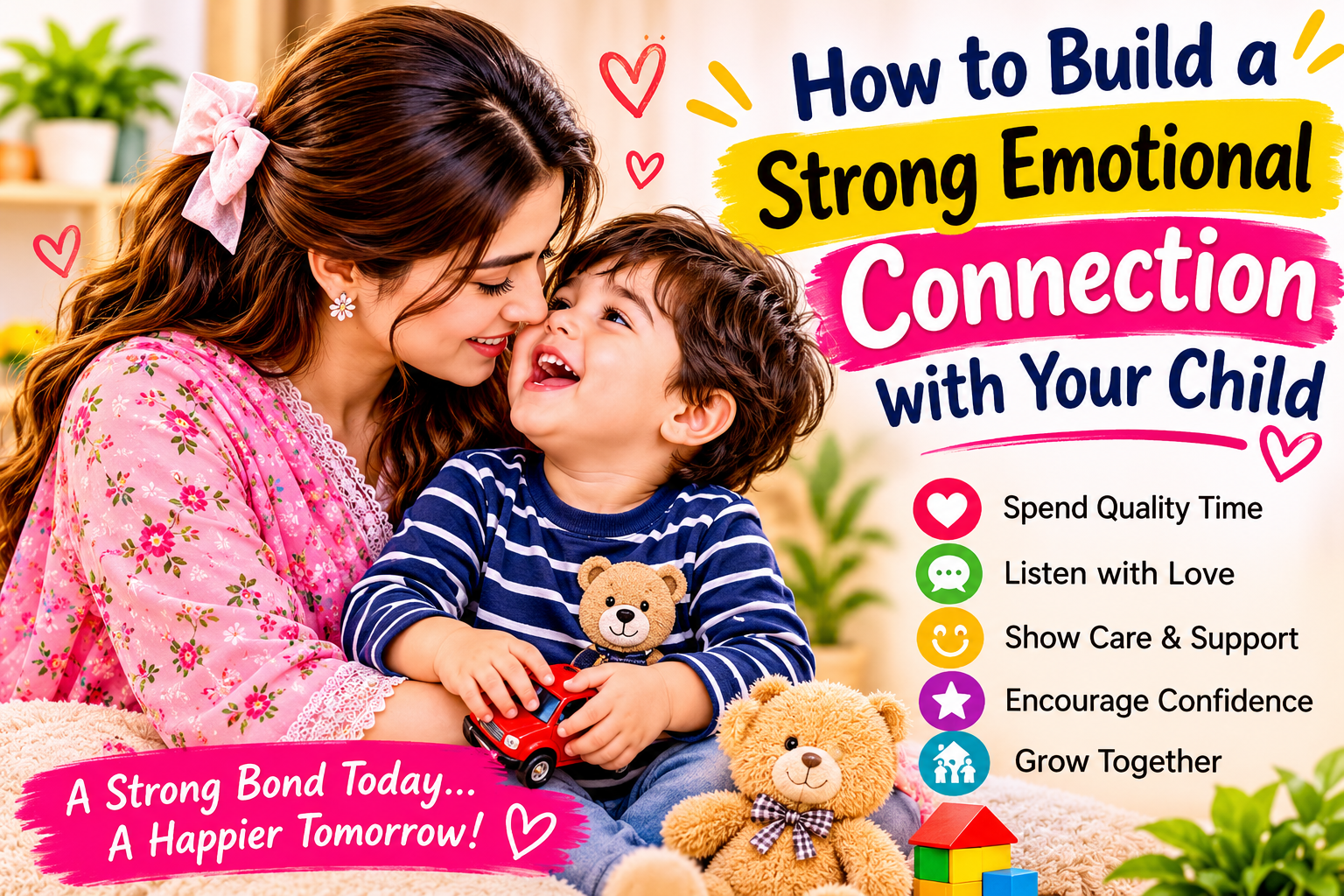
6. Create Simple Family Routines
Daily routines can help children feel secure because they know what to expect.
For example, you can create a small bedtime routine that includes reading a story, talking about the day, or sharing a gentle goodnight hug.
Family meals, morning greetings, and regular playtime can also become meaningful traditions.
Consistency helps children feel that they have a safe and predictable environment.
Even when life becomes busy, try to maintain a few small routines that allow you to spend quality time together.
7. Be Patient During Difficult Moments
Parenting is not always easy. Children sometimes cry, refuse instructions, become frustrated, or behave in ways that parents find challenging.
During these moments, patience is extremely important.
Young children are still learning how to understand emotions, communicate needs, and control their reactions. They need guidance rather than constant criticism.
If you feel frustrated, take a moment to calm yourself before responding. Speak gently and explain things in simple language.
No parent is perfect, and making mistakes does not mean you are failing. What matters is your willingness to learn, improve, and reconnect with your child.
8. Encourage Independence and Confidence
A strong emotional connection does not mean doing everything for your child. Children also need opportunities to explore, learn, and develop independence.
Allow them to make simple choices according to their age. For example, they can choose between two outfits, select a favourite book, or help put away their toys.
Appreciate their efforts, even when the results are not perfect.
When children feel supported while trying new things, they gradually develop confidence in their abilities.
Your encouragement can help them understand that making mistakes is a natural part of learning.
9. Put Away Your Phone During Family Time
Technology has become part of everyday life, but excessive phone use can sometimes interfere with family interaction.
Children notice when parents are constantly distracted by screens. Even if they cannot explain it, they may feel that they are not receiving enough attention.
Try creating small screen-free periods during the day.
Use this time to talk, play, read, or simply enjoy being together. You do not need to avoid technology completely. The goal is to create a healthy balance between digital activities and real-life relationships.
10. Remember That Parents Need Care Too
One important part of parenting that people sometimes overlook is the well-being of parents themselves.
Taking care of a child requires energy, patience, and emotional strength. Parents who are constantly exhausted may find it difficult to manage daily responsibilities.
Taking a short break, getting enough rest when possible, asking for support, and enjoying personal interests are all important.
There is nothing wrong with needing time for yourself.
A healthy family environment is built when both children and parents receive care, respect, and understanding.
Final Thoughts
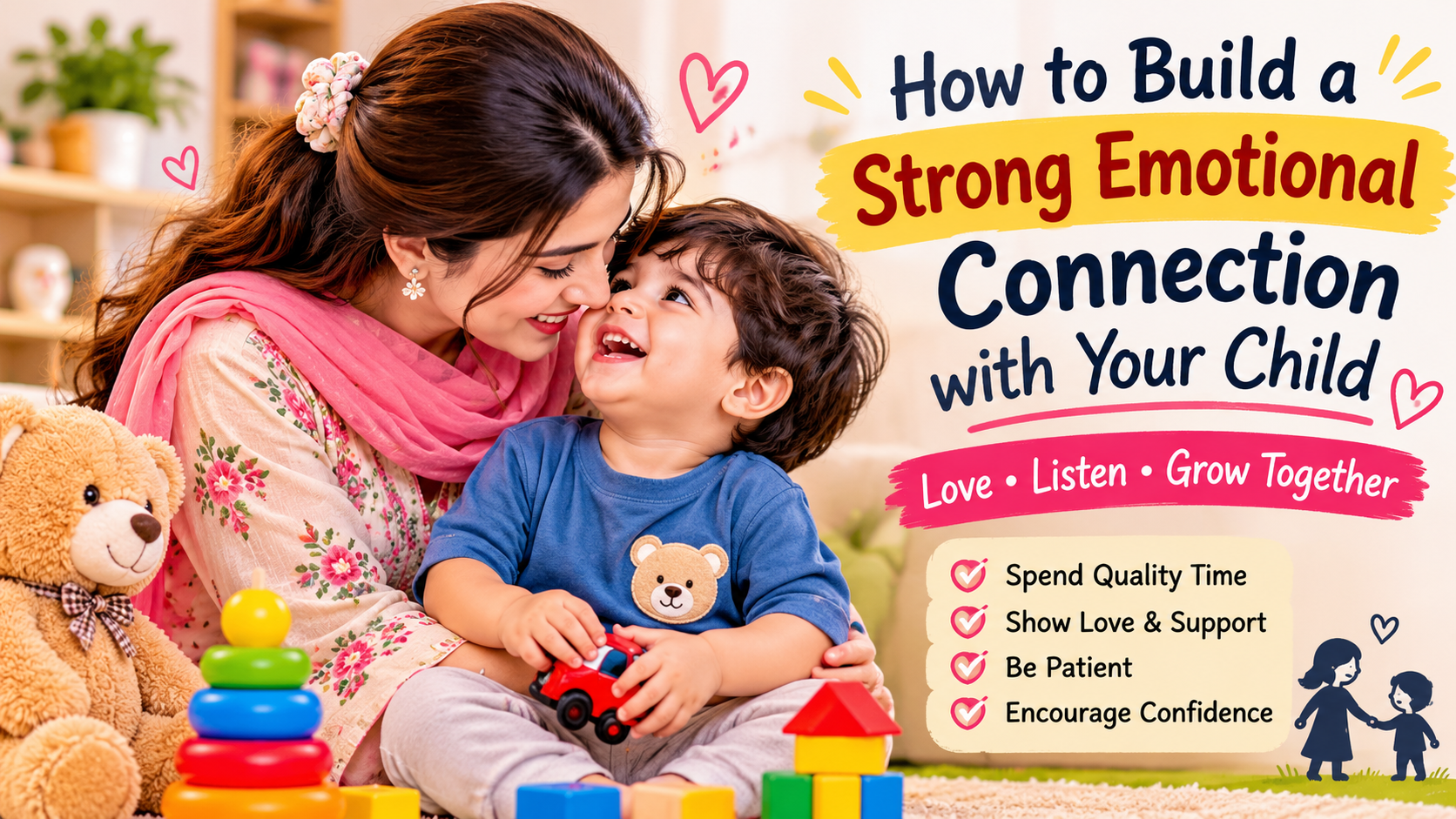
Building a strong emotional connection with your child is not about following a perfect parenting routine. It is about showing love through everyday actions, listening without judgment, being patient during difficult moments, and making your child feel valued.
Children grow quickly, and the little moments we sometimes take for granted become beautiful memories over time.
You do not have to be a perfect parent. You simply need to keep learning, keep showing up, and keep making an effort.
The greatest gift you can give your child is not a perfect childhood, but a childhood filled with love, security, understanding, and meaningful memories.










Comments 0
Sign in to join the conversation.
No comments yet. Be the first to say something.