

Introduction
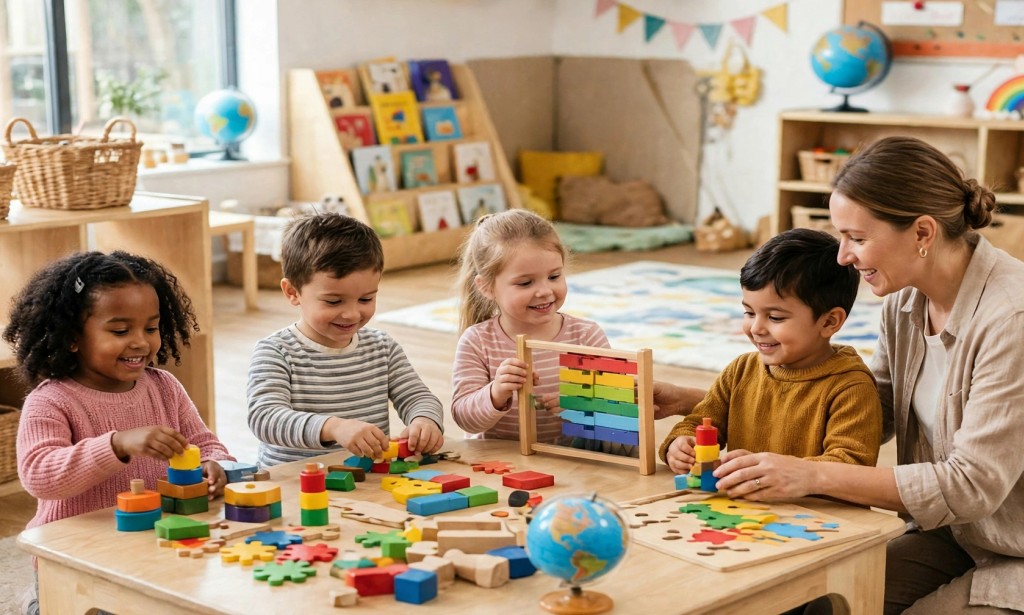
What if some of the most important lessons children learn do not come from textbooks, worksheets, or formal classrooms? What if learning could happen while building a tower, playing with toys, drawing pictures, or pretending to cook a meal?
For young children, play is much more than entertainment. It is one of the most natural and meaningful ways to understand the world around them. Through play, children explore new ideas, develop important skills, express their feelings, and learn how to interact with others.
Early childhood, particularly the first five years of life, is a crucial period for development. During these years, children learn rapidly through everyday experiences. Play provides opportunities for them to develop physically, emotionally, socially, and intellectually.
Understanding the importance of play can help parents and teachers create environments where children feel confident, curious, and excited to learn.
1. Play Builds Strong Thinking and Problem-Solving Skills
When children play, they are constantly thinking, exploring, and making decisions.
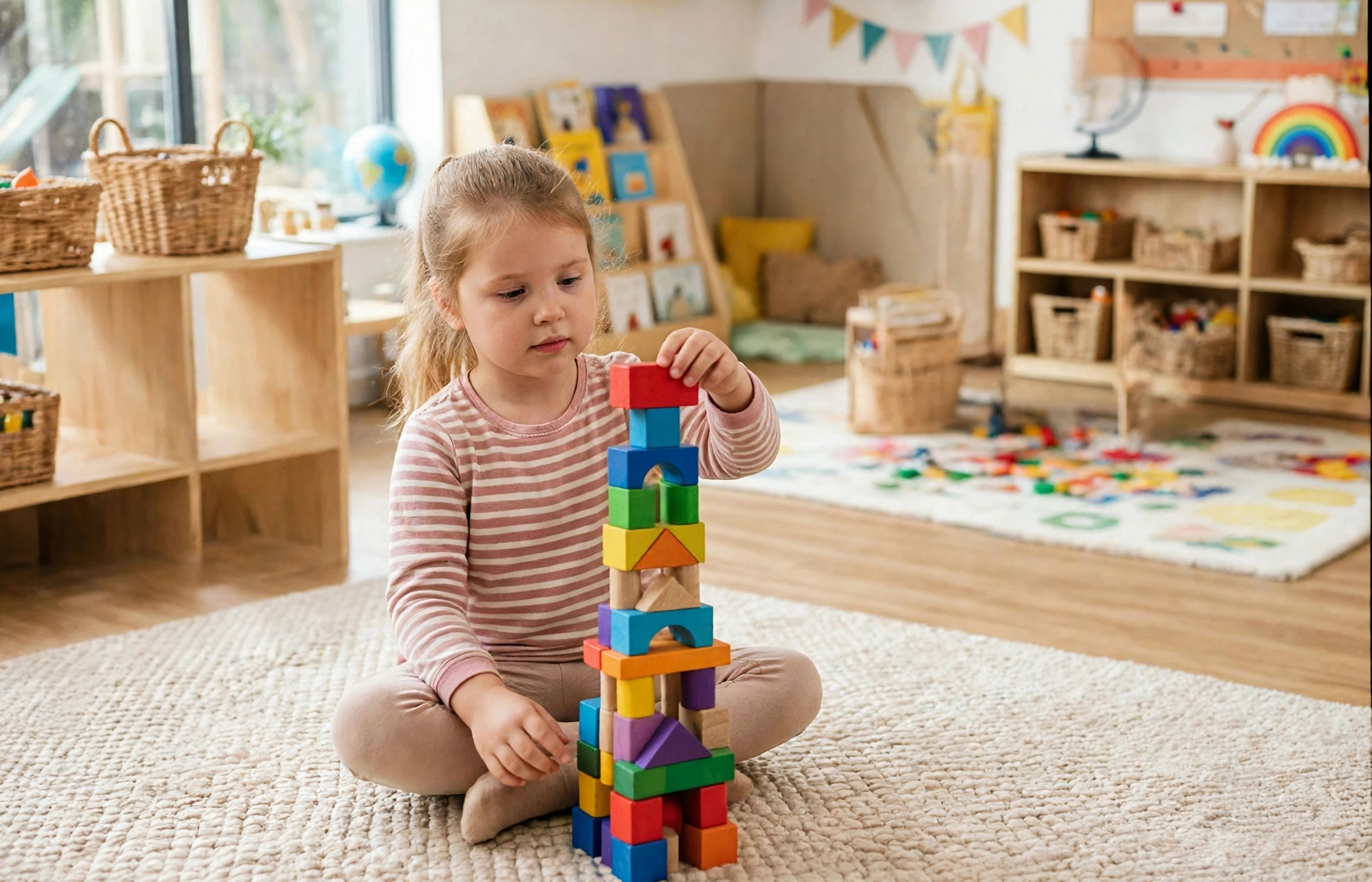
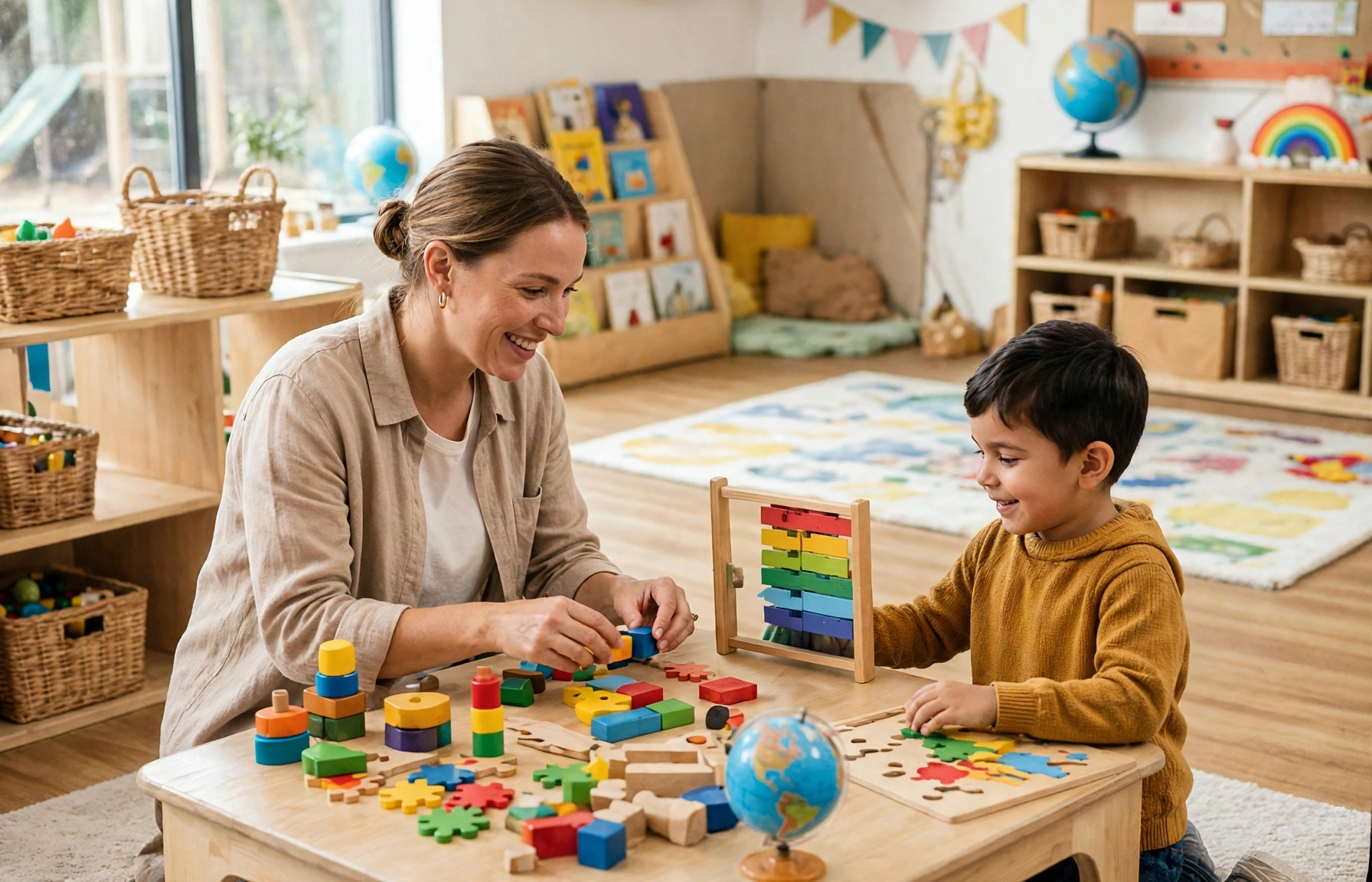
For example, when a child builds a tower using blocks, they learn about shapes, sizes, balance, and problem-solving. If the tower falls, the child may try a different arrangement until it stands successfully.
These small experiences encourage children to think independently and find solutions.
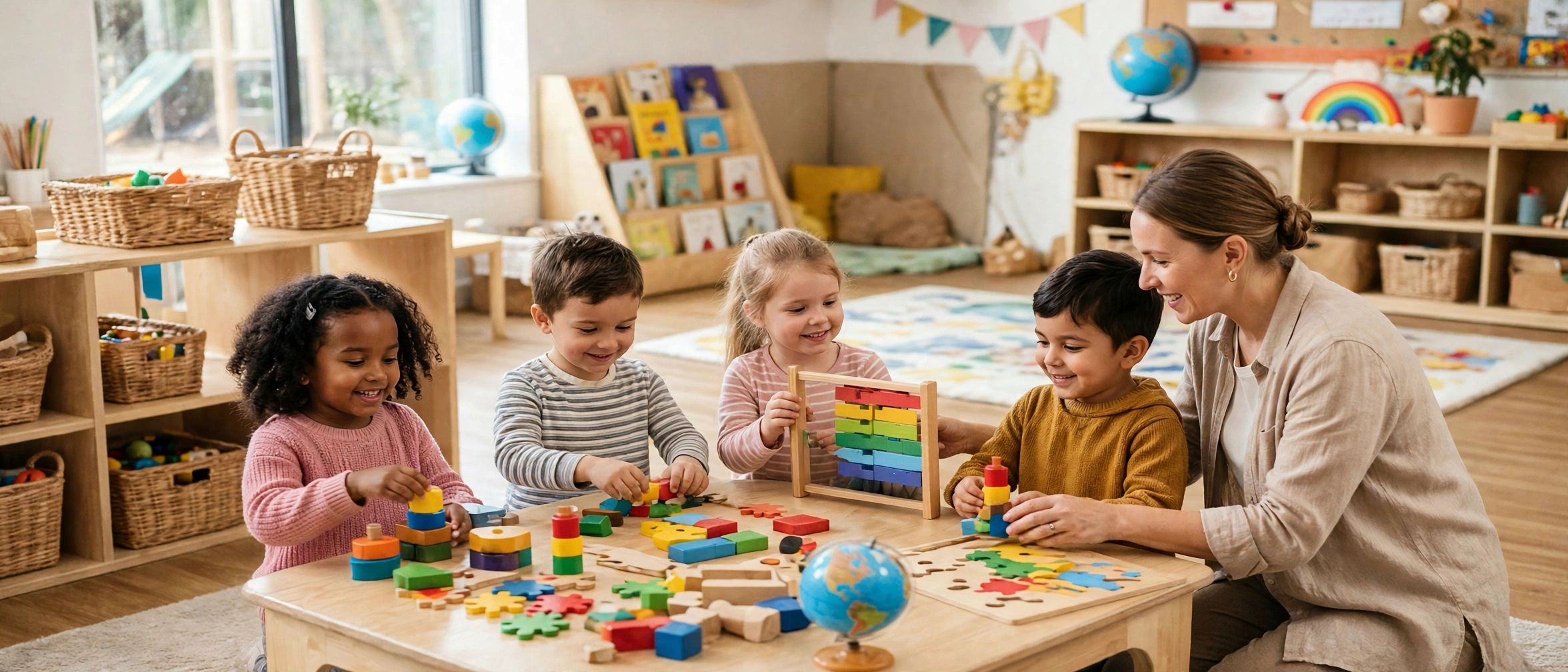
Puzzles, sorting games, matching activities, and building toys also support early mathematical and logical thinking.
Instead of simply giving children answers, adults can encourage them to explore by asking questions such as:
What do you think will happen next?
Can you build it another way?
Which block is bigger?
How can we solve this problem?
Such questions make learning more interactive and meaningful.
2. Play Supports Emotional Development
Children do not always have the words to explain what they feel. Sometimes, they communicate their emotions through play.
A child may use dolls, toys, drawings, or pretend situations to express happiness, fear, frustration, or excitement.
For example, a child pretending to be a doctor may be expressing curiosity about hospitals or processing a previous medical experience.
Play also teaches children patience, confidence, and emotional control. When they lose a game, wait for their turn, or face a small challenge, they gradually learn how to manage their feelings.
Parents and teachers should provide a safe and supportive environment where children can express themselves without fear of criticism.
3. Play Develops Social Skills and Friendship
Playing with other children teaches valuable lessons that cannot always be learned through individual activities.
During group play, children learn to:
Share toys and materials.
Take turns.
Listen to others.
Cooperate with friends.
Respect different opinions.
Solve small disagreements.
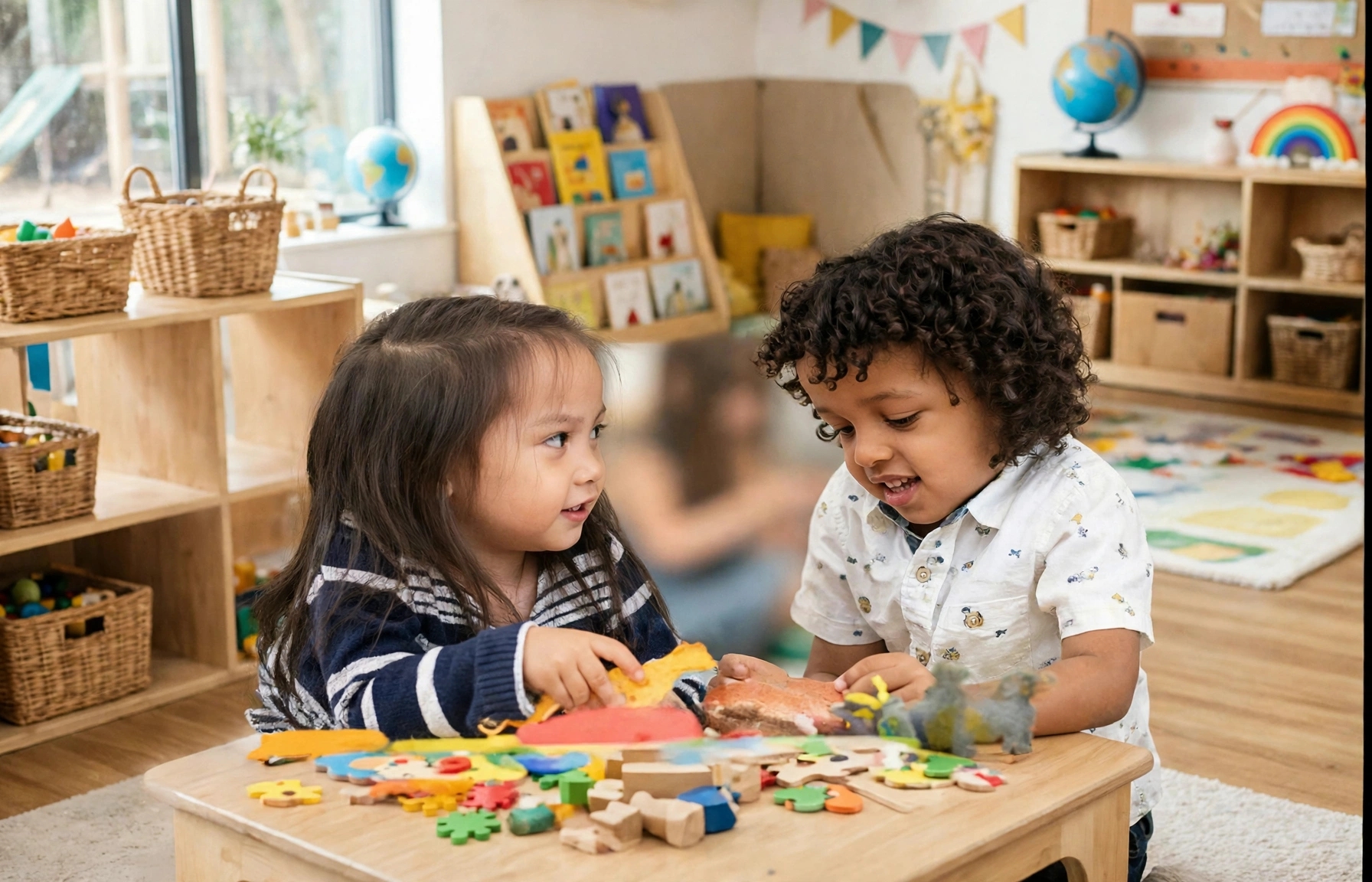
For example, when two children build a house together using blocks, they must communicate, share ideas, and decide how to complete their project.
Sometimes disagreements occur, but these situations provide opportunities to teach kindness, communication, and cooperation.
Adults should guide children gently instead of solving every small problem for them.
4. Physical Play Improves Healthy Development
Running, jumping, climbing, dancing, and throwing a ball are not just enjoyable activities. They also support physical development.
Active play helps children strengthen their muscles, improve balance, develop coordination, and become more aware of their bodies.
Fine motor activities are equally important.
Drawing, colouring, threading beads, playing with clay, and building with small blocks help children develop the hand and finger movements needed for writing and other everyday tasks.
A balanced routine should include both active outdoor play and quiet indoor activities.
5. Pretend Play Encourages Creativity and Imagination
One of the most beautiful things about childhood is imagination.
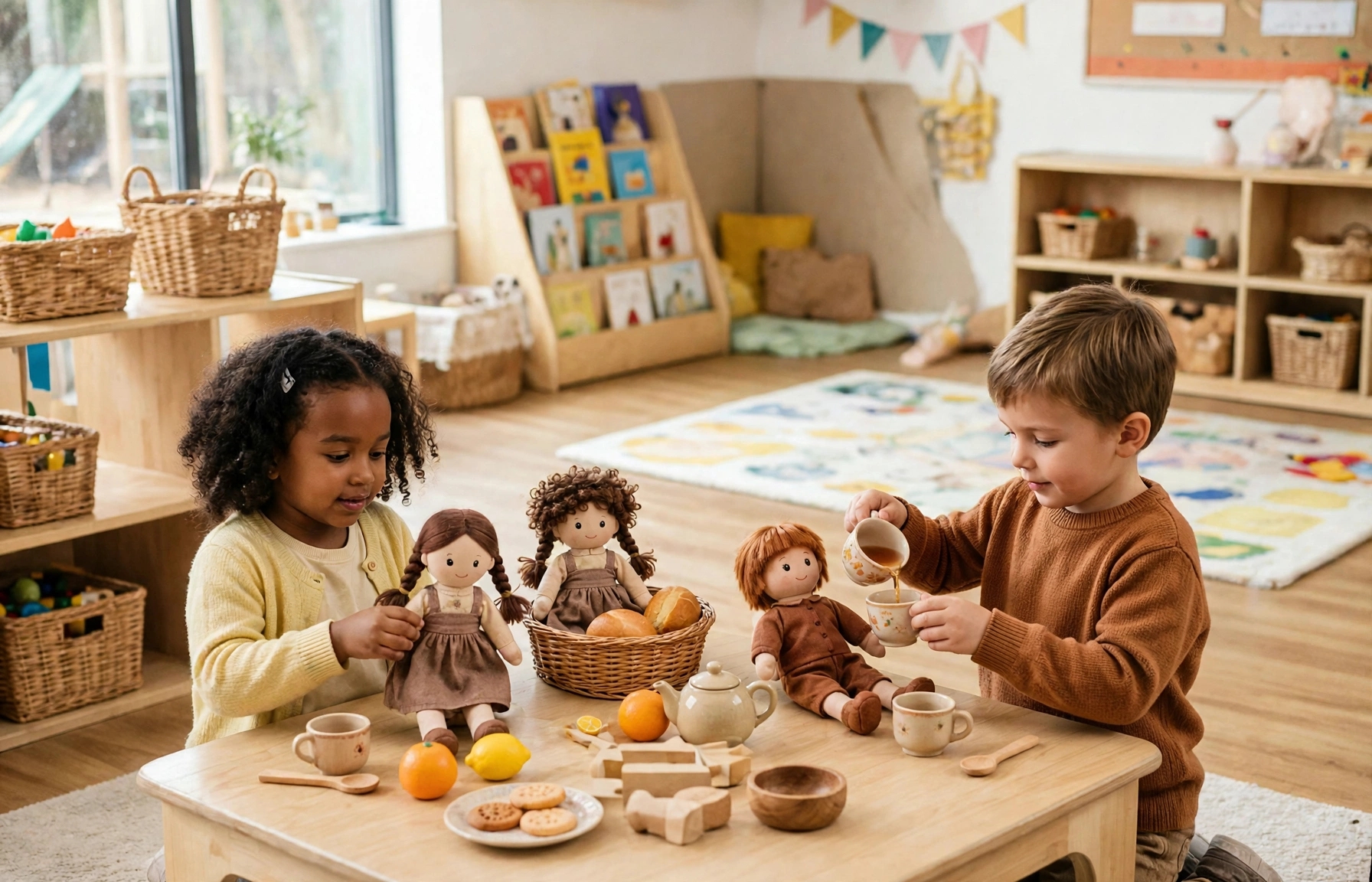
A simple cardboard box can become a spaceship. A spoon can become a magic wand, and a group of toys can become an entire family.
Pretend play allows children to create stories, explore different roles, and develop their imagination.
When children pretend to be teachers, doctors, shopkeepers, or parents, they experiment with real-life situations in a playful and safe way.
Parents can support imaginative play by providing simple materials such as:
Dolls and soft toys.
Cardboard boxes.
Toy kitchen sets.
Colourful building blocks.
Old clothes for dress-up activities.
Drawing and painting materials.
Children do not always need expensive toys. Sometimes, ordinary household objects provide the best opportunities for creativity.
6. The Role of Parents and Teachers in Play-Based Learning
Adults play an important role in making play meaningful.
However, supporting children's play does not mean controlling every activity or giving instructions at every moment.
Parents and teachers should allow children enough freedom to explore, experiment, and make their own choices.
Here are some simple ways to encourage play-based learning:
Create a Safe Space: Provide a clean and safe area where children can play freely.
Offer Different Activities: Include puzzles, storybooks, building blocks, art materials, and outdoor games.
Follow Children's Interests: If a child enjoys animals, introduce animal puzzles, picture books, and pretend animal games.
Join Their Play: Occasionally participate in activities and communicate with children through questions and conversations.
Avoid Too Much Pressure: Every child develops at a different pace. Allow children to learn naturally without comparing them with others.
The goal is not to make every moment of play feel like a lesson. It is to create opportunities for learning through enjoyable experiences.
7. Simple Play-Based Learning Activities at Home
Parents do not need expensive educational resources to support early learning. Simple daily activities can make a meaningful difference.
Here are five activities suitable for young children:
Colour Sorting: Ask children to sort objects according to their colours. This develops observation and classification skills.
Storytelling with Toys: Encourage children to create stories using dolls or animal toys. This supports language and imagination.
Nature Exploration: Let children observe leaves, flowers, stones, and insects in a safe outdoor environment. This develops curiosity and observation.
Water Play: Under close adult supervision, allow children to pour water between different-sized containers. This introduces early concepts of measurement and capacity.
Building Challenges: Give children blocks and ask them to build a bridge, house, or tower. This encourages creativity and problem-solving.
These activities turn ordinary moments into valuable learning experiences.
Conclusion
Play is not a distraction from learning; it is an essential part of how young children learn and grow.
Through play, children develop thinking abilities, emotional understanding, social relationships, physical coordination, and creativity. These skills provide a strong foundation for future learning and everyday life.
Parents and teachers should remember that children do not need a perfectly planned activity every minute. They need time, encouragement, freedom, and opportunities to explore.
Sometimes, the most meaningful classroom for a young child is simply a safe space where they can play, discover, imagine, and enjoy being a child.
Because when children play, they are not just having fun. They are learning for life.
Article Summary
Play is an essential part of early childhood education. It supports children's cognitive, emotional, social, physical, and creative development. Through simple activities such as building blocks, storytelling, drawing, and outdoor exploration, children develop valuable life skills. Parents and teachers can encourage meaningful learning by providing safe spaces, suitable activities, and opportunities for independent exploration.






Comments 0
Sign in to join the conversation.
No comments yet. Be the first to say something.