


Pakistan is enriched with a different scope of normal assets that play had a critical impact in forming its economy and improvement. Distinct advantages like fisheries, timberlands, and minerals have added to the country's monetary development, business age, and commodity income. In any case, the abuse of these assets has additionally prompted natural debasement, featuring the requirement for supportable administration rehearses. This task will examine the meaning of Pakistan's normal assets in its economy and advancement, zeroing in on fisheries, woods, and minerals, and dissect their monetary commitments and natural ramifications.
Resources like mineral, power, water and forest have a huge influence on the economic and social development of a country. Availability of natural resources is the necessary but not a sufficient condition of economic and social development. If a country is rich in resources and these resources are optimally used then there is more possibilities of economic and social development. Accordingly, there is positive relationship between natural resources and economic and social development.
Fisheries
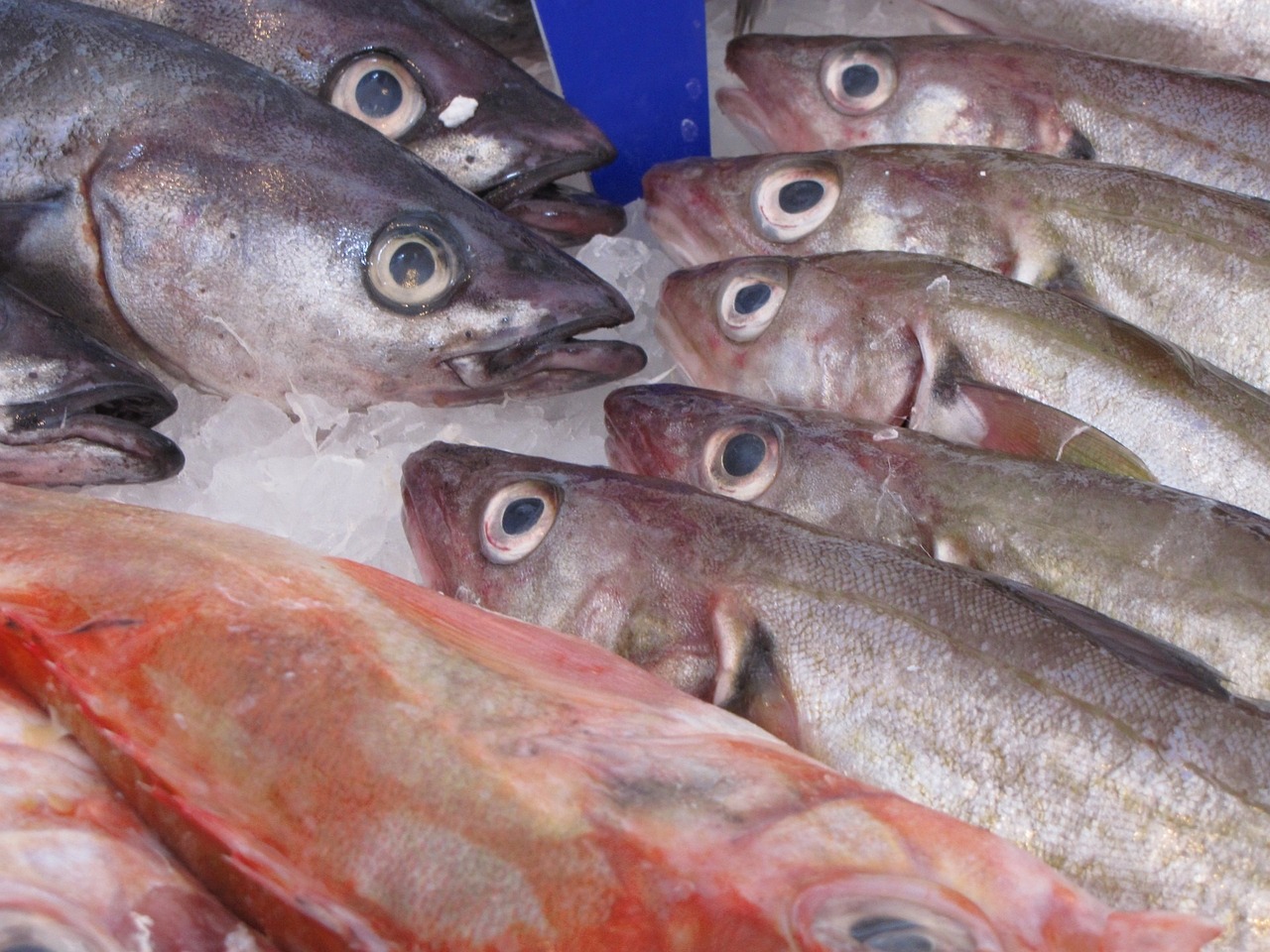
Pakistan's waterfront waters are wealthy in marine assets, supporting a lively fishing industry. The fisheries area assumes a urgent part in the nation's economy, giving work to a large number of individuals and contributing fundamentally to trade profit. Fish is a staple food in Pakistan, and the area likewise upholds related businesses like handling and products. Pakistan’s in land water bodies also support a thriving inland fisheries industry. Fish catches vary from place to place, with the largest yields associated with major lakes and dams.
Notwithstanding, overfishing and unlawful fishing rehearses have prompted a decrease in fish stocks, compromising the manageability of the area. Unfortunate administration rehearses, like the utilization of damaging fishing strategies and lacking implementation of guidelines, have exacerbated the issue. The consumption of fish stocks influences the jobs of fishing networks as well as has more extensive ramifications for food security and marine biological systems.
Forests
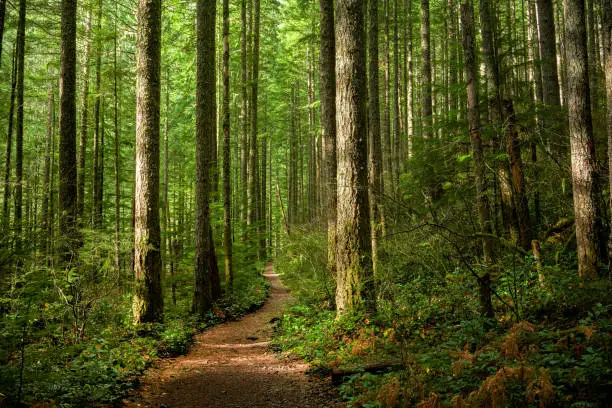
Pakistan is home to different backwoods biological systems, going from tropical rainforests to high woods. Backwoods assume a pivotal part in keeping up with natural equilibrium, managing environment, and giving a living space to untamed life. They additionally add to the economy through lumber creation, non-wood backwoods items, and ecotourism. Forests are limited to 4% of Pakistan’s land; nonetheless the forests are a main source of food, lumber, paper, fuel wood and medicine. The forests are also used for wildlife conversation and ecotourism.
In any case, deforestation rates in Pakistan are among the most noteworthy on the planet, basically because of unlawful logging, infringements, and impractical land-use rehearses. Deforestation has prompted soil disintegration, loss of biodiversity, and expanded weakness to catastrophic events like floods and avalanches. Reasonable backwoods the executives works on, including reforestation and local area based preservation drives, are vital for protect Pakistan's woods and their environment administrations.
According to ESP 2010-11, Pakistan is a forest deficient country, mainly due to arid and semi-arid climate in large parts of the country. The area of natural forests and state-owned plantations declined at a rate of 27,000 ha/year but there was a 67 percent increase in the area of tree over farmlands.
During the year 2010-11 forests have contributed 91 thousand cubic meters of timber and 261 thousand cubic meters of firewood as compared to 93 thousand cubic meters timber and 263 thousand cubic meters firewood in 2009-10.
Minerals
Pakistan is plentiful in mineral assets, including coal, salt, gypsum, limestone, and marble. The mining area contributes essentially to the nation's economy, giving unrefined components to different businesses like concrete, ceramics, and synthetics. Minerals likewise assume a critical part in framework improvement, giving the vital materials to development and assembling.
Nonetheless, the mining area in Pakistan faces difficulties like obsolete innovation, deficient foundation, and administrative issues. Mining exercises can likewise have critical natural effects, including soil disintegration, water contamination, and living space obliteration. Supportable mining works on, including capable asset extraction and natural administration, are fundamental to limit these effects and guarantee the drawn out supportability of the area.
The Pakistan Mineral Development Corporation (1974) is the responsible authority for the support and development of the mining industry. Gemstones Corporation of Pakistan Limited (1978) looks after the interests of stake holders in gem stone mining and polishing as an official entity. Baluchistan is the richest province in terms of mineral resources available in Pakistan. While recently Sindh discovered coal deposits in Thar. Khyber Pakhtunkhwa is rich in terms of gems. Most of the mineral gems found in Pakistan exist here. Apart from oil, gas and some mineral used in nuclear energy purposes which comes directly under federal control mining of other minerals is provincial issue. Currently around 52 minerals are minned and processed in Pakistan.
1. Coal
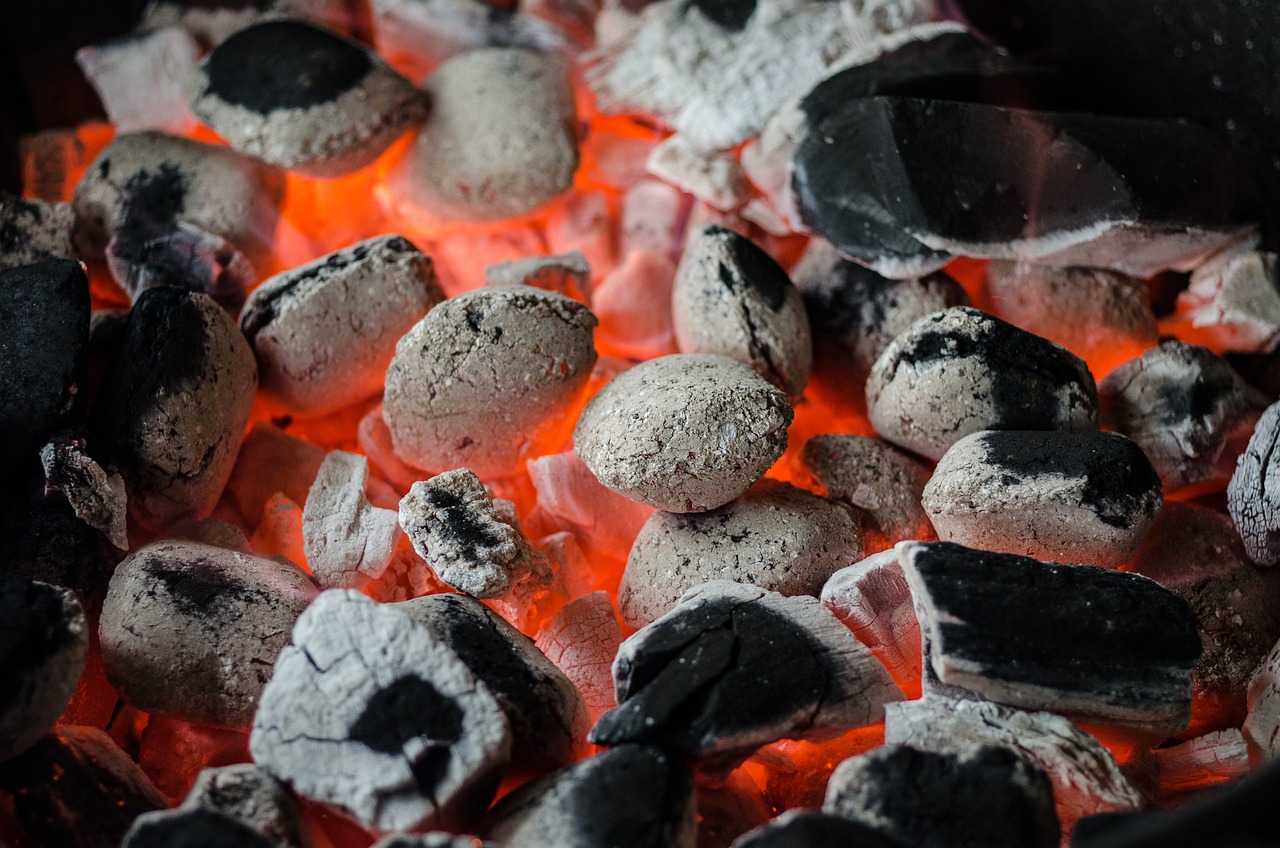
Coal which is also named as black gold is found into huge quantities in Thar, Chamalang, Quetta and other sites. Thar reserves are estimated 850 Trillion Cubic Feet. There is enough coal in Pakistan Thar area (though a part of coal is not of good quality) that it can be used for power generation for next 100 years without relaying on other i.e. hydro / oil resources. Pakistan recently discovered one low and four low-to-medium quality coal seams in the Punjab. Low sulphur coal was recently reported at the Baluchistan and near Islamabad. Bituminous, sub-bituminous, and lignite coal have been found in Pakistan. About 80% of coal is produced by government and 20% is produced by private sector.
It is one of the oldest industries. Its major users are iron, steel and bricks industries. Coal reserves are estimated at 175 billion tons. This would equate to 618 billion barrels of crude oil. When compared to oil reserves this is more than twice the amount of the top four countries. If At KSA’s current usage, the reserves would last more than 200 years.
2. Natural Gas
Natural gas production is at a high level in Pakistan. Estimated reserves are 885.3 billion cubic meters (as of January 2009). Gas fields are expected to last for another 20 years. The Sui gas field is the largest, accounting for 26% of Pakistan’s gas production. Gas deposits of Sui discovered in 1953. Daily production is 19 million cubic meters a day. Under the barren mountains of Balochistan and the sands of Sindh, there are untouched oil and gas reserves. Major users of natural gas areas are Karachi, Lahore, Faisalabad, Multan, Rawalpindi and Islamabad.
3. Crude Oil
Pakistan's first oil field was in the late 1952 in Baluchistan near a giant Sui gas field. The Toot oil field was not discovered in the early 1960s in the Punjab. It covers 122.67 square kilometres (47.36 sq. mi). Pakistan Petroleum and Pakistan Oilfields explored and began drilling these fields with Soviet help in 1961 and activity began in Toot during 1964. Pakistan has more than 326 million barrels of oil the Senate was told on Wednesday 29 January 2009.
4. Uranium production
Pakistan has a long history of exporting small amounts of uranium to the west. The Taman Leg Hari mine in South Punjab, Bengaluru mine, Dara Ghazi Khan Mine and Isa Khel / Kabul Khel mines in, Mianwali District. Pakistan has recently used some in its own nuclear power and weapons programs. Pakistan produced about 45 tonnes of Uranium in 20065. Mineral Salt
Salt is being minned in the region since 320 BC. Khewra Salt Mines are among world oldest and biggest salt mines. Salt has been mined at Khewra since 320 BC, in an underground area of about 110 square kilometres (42 sq mi). Khewra salt mine has estimated total of 220 million tonnes of rock salt deposits. The current production from the mine is 325,000 tons salt per annum.
6. Copper & Gold
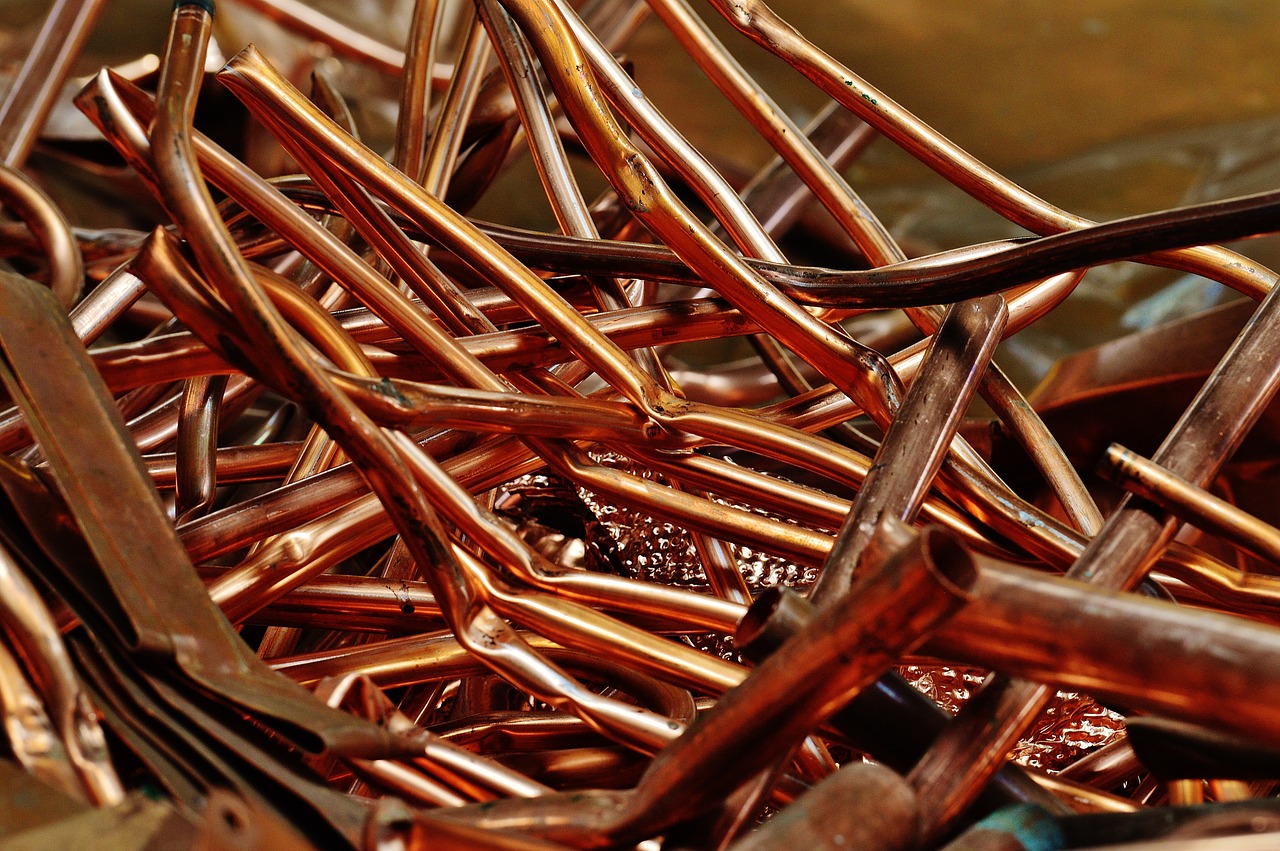
In Reqo Diq, Baluchistan deposits of copper and gold are present. Antofagasta the company having possession of Reqo Diq field is targeting initial production of 170,000 metric tons of copper and 300,000 ounces of gold a year.The project may produce more than 350,000 tons a year of copper and 900,000 ounces of gold. There are also presences of copper deposites in Daht -e- Kuhn, Nokundi, located in Chaghi district.
7. Iron Ore
Iron ore found in various regions of Pakistan including Nokundi, Chinot and the largest one in Kalabagh(Less than 42% quality),Harripur and other Northern Areas.
8. Gems and other precious stones
A number of precious stones are minned and polished for local as well as export purposes. The centre point of this operation is Khyber-Pakhtoonkhwa. These includes Actinolite, Hessonite, Rodingite, Agate, Idocrase, Rutile, Aquamarine, Jadeite, Ruby, Amazonite, Kunzite, Serpentine, Azurite, Kyanite, Spessartine (garnet), Beryl, Marganite, Spinel, Emerald, Moonstone, Topaz, Epidote, Pargasite, Tourmaline, Garnet (almandines), Periods, Turquoise, Garnet (green, grossularite), Quartz (citrin & others) and Vesuvianite. The export from these gems is more than 200 Million dollar.
Fishing Industry
The fishing industry plays a role in the national economy of Pakistan. The coastline is 814km and fishery resources still have room to grow. Fishing in Pakistan is a major source of export earnings.
Water for Home
We drink water, cook with it, bathe in it, sprinkle our lawns with it, fill our backyard swimming pools with it - even create theme parks based on it. We need water in our homes, to brush our teeth, cook food and wash dishes.
Base for Life
Without water, there can be no life. In fact, every living thing consists mostly of water. Your body is about two-thirds water. A chicken is about three-fourths water, and a pineapple is about four-fifths water.
Water for Agriculture Sector
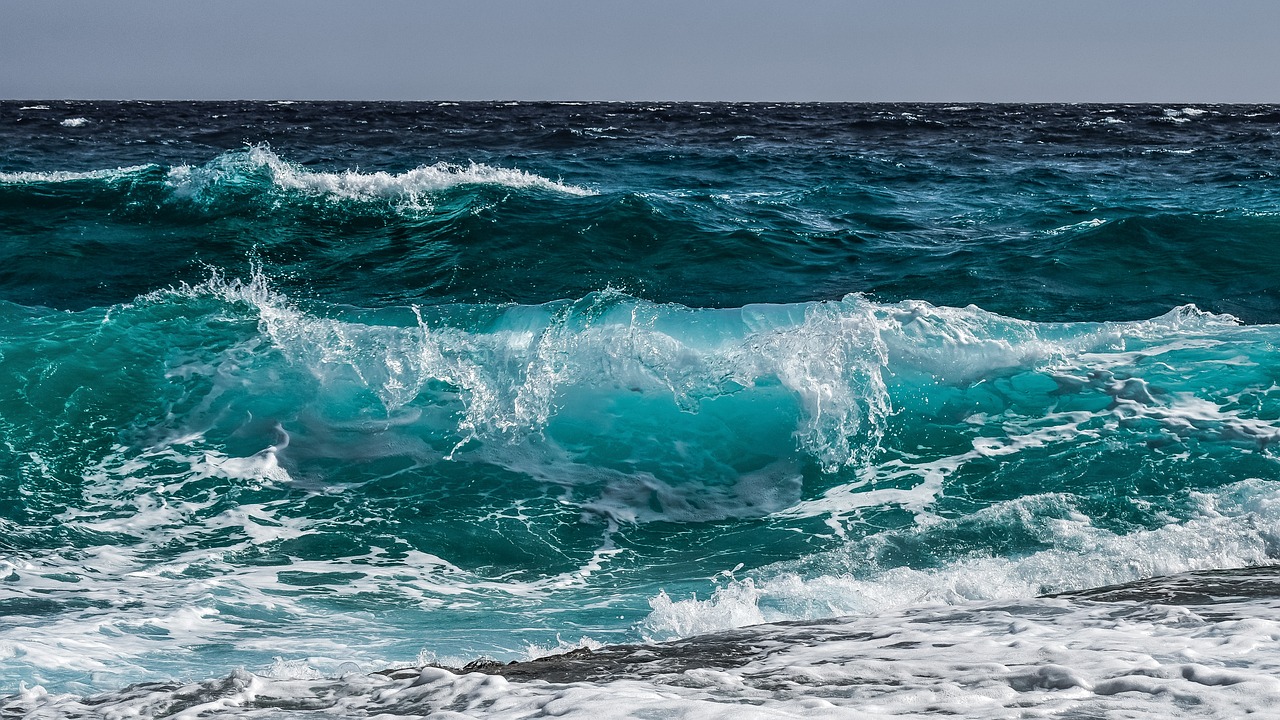
Every plant, animal, and human being needs water to stay alive. We need water for irrigation, to raise crops in regions that do not get enough rain. It is estimated that 70% of world-wide water use is for irrigation. In some areas of the world, irrigation is necessary to grow any crop at all, in other areas it permits more profitable crops to be grown or enhances crop yield.
Water in living things
All living things need a lot of water to carry out their life processes. Plants, animals, and human beings must take in nutrients (food substances). If the body loses more than 20 per cent of its normal water content, a person will die painfully. Human beings must take in about 2.4 litters of water a day.
Water in our homes
In our homes, we use far more water than the amount we need simply to stay alive. We require water for cleaning, cooking, bathing, and carrying away wastes. For many people, such water is a luxury. Millions of homes in Asia, Africa, and South America have no running water. The people must haul water up by hand from the village well, or carry it in jars from pools and rivers far from their homes.
Waterpower or Hydropower
Water power, or hydropower, furnishes about 7 percent of the world's commercial energy. Where water flows from a high place to a lower one, the gravitational energy of the falling water can be captured and used to produce other forms of energy.
. Water for Industry
It is estimated that 15% of world-wide water use in industrial. Major industrial users include power plants, which use water for cooling or as a power source (i.e. hydroelectric plants), ore and oil refineries, which use water in chemical processes, and manufacturing plants, which use water as a dissolving something.
Conclusion
All in all, Pakistan's normal assets, including fisheries, timberlands, and minerals, assume an essential part in its economy and improvement. In any case, the abuse of these assets has additionally prompted natural debasement, featuring the requirement for maintainable administration rehearses. By taking on dependable asset the board rehearses, Pakistan can guarantee the drawn out maintainability of its normal assets and advance financial development and improvement in a way that is earth practical.
References
1. FAO. (2019). The Province of World Fisheries and Hydroponics 2018 - Meeting the feasible improvement objectives. Food and Horticulture Association of the Assembled Countries.
2. WWF-Pakistan. (2020). Pakistan's Ranger service Area: A Guide for Worth Expansion and Supportability. Overall Asset for Nature-Pakistan.
3. Qureshi, S. U. (2017). Mineral Assets of Pakistan: A Survey. Middle Eastern Diary of Studies of the planet, 4(7), 369-385.



Comments 0
Sign in to join the conversation.
No comments yet. Be the first to say something.