

1. The Rise of Artificial Intelligence and Its Global Impacts
Artificial Intelligence (AI) has become a defining feature of 2025, influencing every aspect of human life, from healthcare and education to finance and governance. The rapid development of generative AI systems has led to both unprecedented innovation and challenges. Governments worldwide are grappling with the need for regulation to address concerns about job displacement, data privacy, and ethical AI use.
Major corporations continue to integrate AI into their workflows, enhancing productivity while sparking debates about the balance between human creativity and machine efficiency. Nations leading the AI race, such as the United States, China, and the European Union, are collaborating on international AI ethics frameworks, recognizing the potential for misuse in cyberwarfare and surveillance.
As AI redefines industries, education systems are also adapting, prioritizing skills like critical thinking, creativity, and digital literacy to prepare the workforce for a machine-augmented future.
2. Climate Change: Policies and Progress in 2025
The global response to climate change has reached a critical juncture in 2025. Countries are accelerating their commitments to net-zero emissions, with renewable energy adoption at an all-time high. Innovations in solar, wind, and nuclear energy have made clean energy more accessible, even in developing regions.
Significant breakthroughs in carbon capture technologies have allowed industries to mitigate emissions, reducing their environmental footprints. Meanwhile, international collaborations, like the Global Climate Pact 2025, are driving nations toward more unified actions against climate threats.
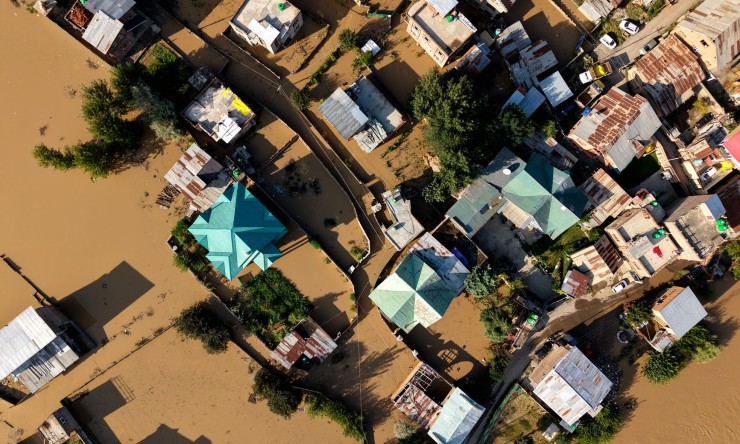
However, challenges persist. Developing nations continue to seek financial support to transition their economies sustainably, highlighting ongoing disparities in global climate efforts. Additionally, extreme weather events serve as stark reminders of the urgent need to address climate resilience and disaster preparedness.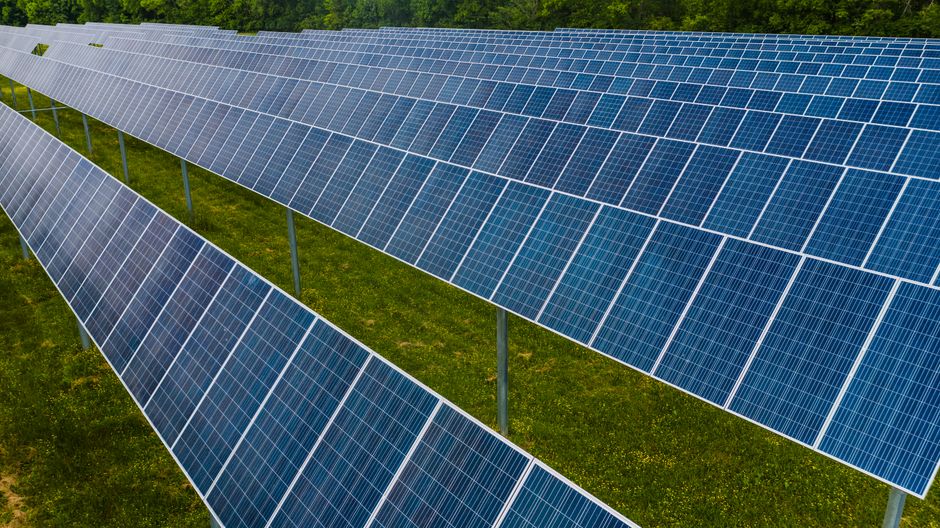
3. Geopolitical Shifts and Power Realignments
The geopolitical landscape in 2025 reflects shifting alliances and new power centers. The rise of multipolarity has led to increased cooperation among regional blocs, such as the African Union, ASEAN, and the Middle East's new economic alliance. These groups aim to assert greater influence in global decision-making, challenging traditional Western dominance.
Tensions between major powers, including the United States, China, and Russia, persist, especially concerning trade, technology, and territorial disputes. However, there is also progress in diplomacy, with landmark agreements fostering cooperation in areas like space exploration and cybersecurity.
Global institutions, such as the United Nations, are undergoing reform to better address contemporary issues, ensuring representation for emerging economies and non-state actors in global governance.

4. Global Health: Lessons and Innovations Post-Pandemic
The aftermath of the COVID-19 pandemic continues to shape global health policies in 2025. Investments in healthcare infrastructure and vaccine technologies have led to greater preparedness for future pandemics. Advances in mRNA technology are now applied to combat diseases such as malaria, HIV, and cancer.
Telemedicine and digital health tools are revolutionizing patient care, making healthcare more accessible in remote regions. At the same time, concerns over health inequities remain, as many low-income nations struggle to access advanced treatments and technologies.
Efforts to strengthen global health organizations, like the WHO, have renewed focus on collaborative solutions to tackle health crises, from antimicrobial resistance to mental health challenges exacerbated by modern stressors.

5. Technological Breakthroughs Driving the Future
2025 is a year of technological marvels, with innovations reshaping industries and lifestyles. Quantum computing is moving from experimental to practical applications, solving complex problems in fields like logistics, medicine, and climate modeling.
Space exploration has also reached new heights, with private companies and national agencies collaborating on missions to establish permanent bases on the Moon and prepare for human exploration of Mars.
In consumer technology, the proliferation of wearable devices and augmented reality (AR) tools is transforming entertainment, education, and workspaces. However, these advancements raise questions about privacy, cybersecurity, and ethical use.







Comments 0
Sign in to join the conversation.
No comments yet. Be the first to say something.