

1. The Importance of Staying Updated with News and Trends
In an interconnected world, being informed is no longer optional; it's essential. News provides insights into current events, while trends offer a glimpse into emerging shifts in behavior, technology, and markets. Staying updated helps individuals and businesses make informed decisions, anticipate changes, and seize opportunities.
For professionals, understanding industry-specific trends can be the difference between staying relevant or falling behind. For individuals, being aware of societal shifts fosters better engagement with the world. Knowledge empowers us to act strategically, whether it's in personal finance, career planning, or community involvement.
2. How Global Trends Influence Industries and Societies
Global trends have far-reaching impacts on industries and societies. For example:
- Technology: AI, automation, and blockchain are redefining how businesses operate.
- Sustainability: Companies are prioritizing eco-friendly practices in response to consumer demand and regulatory pressure.
- Health: The focus on mental health and wellness is reshaping healthcare and workplace policies.
- Globalization: Supply chain disruptions highlight the need for resilient global networks.
Understanding these trends helps industries innovate and adapt, ensuring they meet evolving consumer expectations and remain competitive.
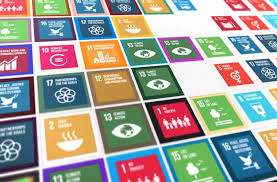
3. Key Trends Shaping the Future in 2025
As we step into 2025, several trends are making waves across sectors:
- Remote Work Evolution: Hybrid work models are becoming the norm, supported by advanced collaboration tools.
- Green Energy Revolution: Investments in renewable energy and carbon capture technologies are accelerating.
- Digital Economies: Cryptocurrencies and decentralized finance (DeFi) are gaining mainstream acceptance.
- Healthcare Innovations: Personalized medicine and wearable health devices are transforming patient care.
- Education Tech: Online learning platforms and AI-driven personalized education are reshaping how we learn.
These trends highlight the dynamic nature of our times and the opportunities they present.

4. Leveraging Technology for News Consumption
Technology has revolutionized how we access and consume news. Smartphones, social media platforms, and news aggregators ensure that information is just a click away. However, with this convenience comes the challenge of information overload.
To manage this, individuals should:
- Use reliable news apps and platforms.
- Set up alerts for topics of interest.
- Utilize tools like RSS feeds to streamline updates.
Staying informed is easier than ever, but curating credible and relevant information is key to making the most of technological advancements.

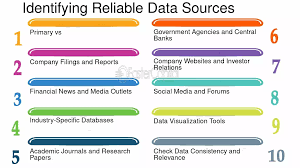
5. Challenges in Identifying Reliable Information Sources
In the digital age, misinformation is a pervasive problem. Identifying trustworthy sources requires critical thinking and media literacy. Common challenges include:
- Clickbait Headlines: Sensationalized content designed to attract attention.
- Echo Chambers: Algorithms that reinforce existing beliefs by showing similar content.
- Fake News: Deliberately false information aimed at misleading readers.
To overcome these challenges, verify sources, cross-check facts, and rely on established news outlets with a track record of credibility.
6. The Role of Social Media in Shaping Trends
Social media is a powerful force in disseminating news and shaping trends. Platforms like Twitter, Instagram, and TikTok enable real-time updates and viral content sharing. However, the same platforms also amplify misinformation and create filter bubbles.
Harnessing social media responsibly involves:
- Following reputable accounts.
- Engaging critically with trending topics.
- Diversifying content sources to get a well-rounded view.
When used effectively, social media is a valuable tool for staying informed and connected.


You must be logged in to post a comment.