

ble of Contents
1. Introduction: A Powder Keg in the Middle East
2. Historical Tensions and Israel’s Strategic Red Lines
3. Iran’s Nuclear Ambitions and the Global Concern
4. Potential Military Scenarios and Iranian Response
5. Regional Consequences: Proxy Wars and Retaliation
6. Global Implications and the Role of Superpowers
## 1. Introduction: A Powder Keg in the Middle East
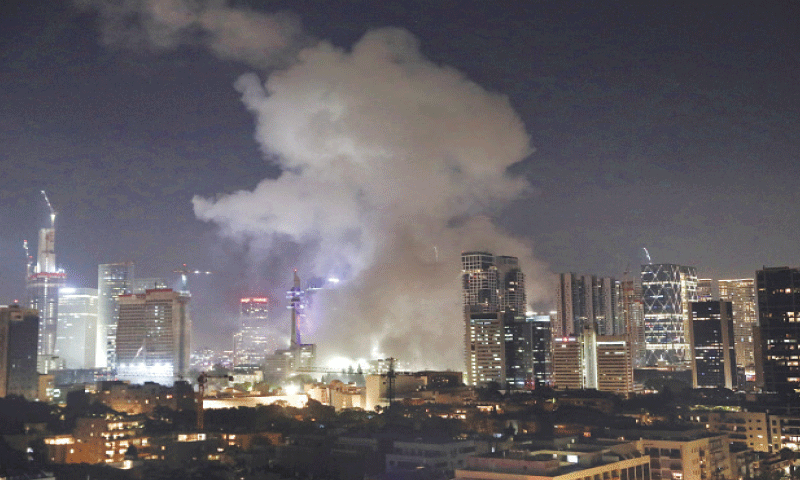
The Middle East has long been one of the most volatile regions in the world. Among the most alarming potential flashpoints is the standoff between Israel and Iran—particularly concerning Iran's nuclear program. For over two decades, Israel has expressed deep concern over Iran’s uranium enrichment capabilities, which it views as an existential threat. Any direct Israeli attack on Iranian nuclear facilities would not only mark a major escalation but could also ignite a chain reaction with unpredictable consequences.
The core question that arises is whether such an attack would remain confined to the region—or spiral into a broader international conflict. Understanding the stakes requires examining the motivations, military capabilities, and geopolitical alliances involved.
## 2. Historical Tensions and Israel’s Strategic Red Lines
The animosity between Israel and Iran is rooted in ideology, national security concerns, and regional rivalry. Iran’s leadership does not recognize the legitimacy of the Israeli state and supports groups like Hezbollah and Hamas—both of which are hostile to Israel. In contrast, Israel views Iran’s military advancements and nuclear aspirations as existential threats.
Israel has a precedent for pre-emptive strikes on nuclear programs. In 1981, it destroyed Iraq’s Osirak reactor (Operation Opera), and in 2007, it targeted Syria’s suspected nuclear facility. These missions were designed to delay nuclear weapons development in neighboring states. Iran, however, is a far more complex and fortified adversary, making such a strike significantly more dangerous and consequential.
Any Israeli strike would likely target key sites like Natanz, Fordow, and Isfahan. These facilities are deeply buried and heavily guarded, requiring advanced tactics, international coordination (or defiance), and readiness for retaliation.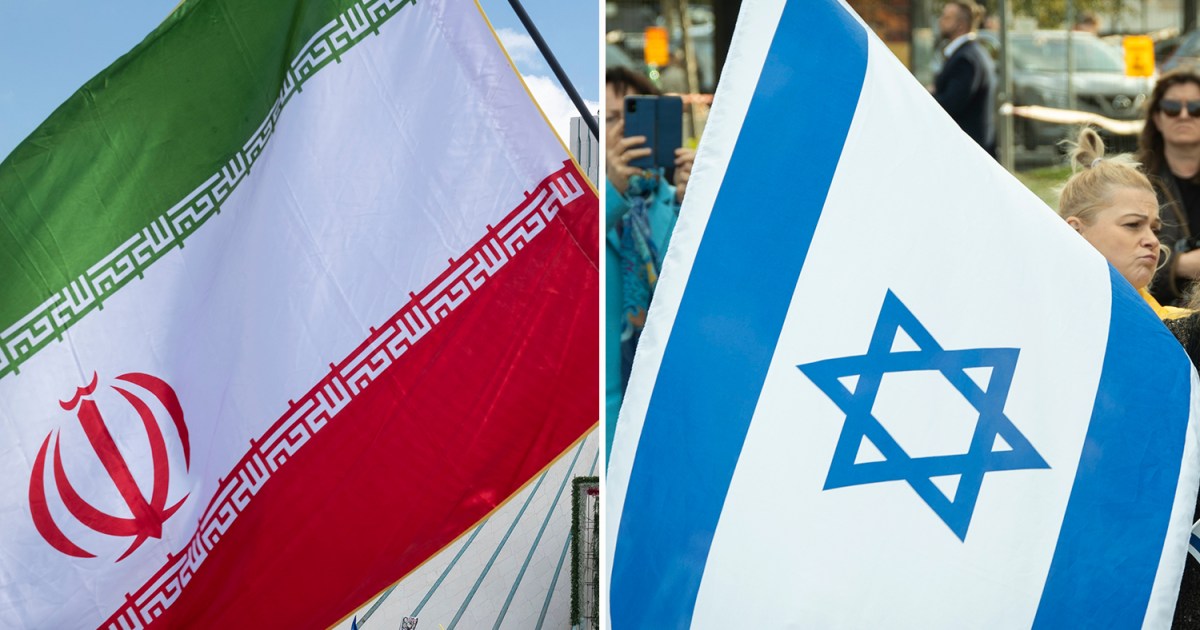
## 3. Iran’s Nuclear Ambitions and the Global Concern
Iran insists that its nuclear program is for peaceful purposes—energy and medical research. However, the opacity of its activities, combined with uranium enrichment far beyond civilian needs, has led to widespread suspicion. The 2015 Joint Comprehensive Plan of Action (JCPOA), which limited Iran’s nuclear capabilities in exchange for sanctions relief, collapsed after the U.S. withdrawal in 2018, leading to further escalation.
As of recent intelligence estimates, Iran possesses enough enriched uranium to potentially develop a nuclear bomb within months, if not weeks, should it make that decision. Israel, which is widely believed to possess nuclear weapons itself, has repeatedly stated it will not allow Iran to become a nuclear-armed state under any circumstances.
The question remains: would diplomacy and deterrence be enough to stop Iran—or will Israel act unilaterally, with or without U.S. approval?
## 4. Potential Military Scenarios and Iranian Response
A successful Israeli strike on Iran’s nuclear infrastructure would involve air power, cyber warfare, and possibly long-range missile systems. However, the logistical challenges are immense. Iran’s nuclear sites are dispersed, fortified, and defended by an advanced anti-air system. Israel would likely use mid-air refueling, electronic jamming, and possibly drones or special forces.
Iran’s response could range from ballistic missile attacks on Israeli cities to unleashing its network of regional proxies. Hezbollah in Lebanon, Houthis in Yemen, and Shiite militias in Iraq and Syria could all be mobilized to target Israeli and Western interests. There could also be attacks on Gulf states, especially if they are seen as having supported Israel or the U.S.
A limited strike could thus quickly spiral into multi-front retaliation, impacting civilians, oil infrastructure, and regional stability.

## 5. Regional Consequences: Proxy Wars and Retaliation
The Middle East is already saturated with proxy conflicts, and a direct Israeli-Iran war could enflame multiple flashpoints. Lebanon’s Hezbollah could launch thousands of rockets into northern Israel, drawing Tel Aviv into a devastating northern front. Hamas in Gaza might coordinate attacks in solidarity. U.S. bases in Iraq, Syria, and the Gulf could come under fire, forcing Washington into direct military involvement.
Saudi Arabia, the UAE, and Bahrain—Sunni states that view Iran as a major threat—may support Israeli efforts, at least quietly. This could deepen the Sunni-Shia divide and provoke unrest across the region. Syria, a staunch Iranian ally, might become another battleground, further destabilizing a nation already ravaged by civil war.
The economic fallout would also be significant. Global oil prices could skyrocket, shipping lanes might be disrupted, and the entire region could face humanitarian crises on a massive scale.

## 6. Global Implications and the Role of Superpowers
An Israeli strike on Iran is not just a Middle Eastern issue—it’s a global one. The U.S., Israel’s primary ally, would likely be drawn in, whether through active support or retaliatory defense. American assets in the region would become immediate targets. Iran could block the Strait of Hormuz, through which one-third of the world’s oil passes, triggering a global energy crisis.
Russia and China, who have maintained relations with Iran and criticized Israeli actions in the past, might take diplomatic or even military countermeasures. NATO allies would face pressure to take sides, while the UN Security Council would become a theater for international blame and crisis diplomacy.
The war could spill into cyberspace, with coordinated cyberattacks on infrastructure, banks, and communication networks across continents. Even if a full-blown global war does not erupt, the ripple effects would reshape geopolitics for years to come.


You must be logged in to post a comment.