


Introduction
A healthy lifestyle is important for living a happy, active, and peaceful life. Our daily habits affect our physical health, mental well-being, and relationships with other people. A good lifestyle does not mean having an expensive home, wearing branded clothes, or spending a lot of money. It means taking care of ourselves and making positive choices every day.
Many people think that improving their lifestyle requires big changes, but even small steps can make a difference. Eating healthy food, getting enough sleep, staying active, and managing stress are simple ways to improve our daily lives. By developing positive habits, we can feel better and enjoy a more balanced life.
1. Start Your Day with a Positive Routine
The way we begin our morning can influence the rest of our day. A peaceful morning routine helps us feel organised, relaxed, and ready to complete our responsibilities.
Try to wake up at a regular time and avoid checking your mobile phone immediately. Give yourself a few minutes to stretch, drink water, and plan your daily activities. You can also spend some quiet time thinking about your goals and the things you appreciate in life.
A morning routine does not need to be complicated. Even fifteen minutes of peaceful activity can help you begin your day with a better mindset. The most important thing is to choose a routine that suits your needs and follow it consistently.
2. Eat Healthy and Balanced Meals
Food plays an important role in maintaining a healthy lifestyle. Our bodies need different nutrients to support energy, growth, and everyday activities. A balanced diet can include fruits, vegetables, whole grains, protein-rich foods, and other nutritious ingredients.
Try to include a va
riety of foods in your meals instead of depending too much on processed snacks and sugary drinks. Drink enough water throughout the day and pay attention to your body's hunger and fullness signals.
Healthy eating does not mean that you must stop enjoying your favourite foods. Instead, focus on balance and moderation. You can prepare simple homemade meals using ingredients that are easily available and affordable.
Planning meals in advance can also save time and help you make healthier choices. Small changes in eating habits can become valuable parts of your lifestyle over time.

3. Make Physical Activity Part of Your Day
Regular physical activity supports both physical and mental well-being. It can help improve energy levels, strengthen muscles, support heart health, and reduce stress.
You do not need to join a gym or buy expensive equipment to remain active. Walking, stretching, dancing, cycling, or doing simple exercises at home can be useful ways to move your body.
Choose an activity that you enjoy because it will be easier to maintain as a regular habit. If you spend many hours sitting, try to stand up and move around at regular intervals.
Start slowly if you are not used to exercising. Gradually increase your activity according to your ability and comfort. Remember that consistency matters more than doing difficult exercises for only a few days.

4. Give Importance to Sleep
Sleep is an essential part of a healthy lifestyle. Getting enough rest helps the body recover and supports concentration, mood, and daily performance.
Many people stay awake late at night using their phones or watching videos. This habit can make it difficult to wake up feeling refreshed the next morning.
Try to maintain a regular sleeping schedule. Make your bedroom comfortable, reduce unnecessary noise, and limit screen use before bedtime. A relaxing evening routine, such as reading a book or listening to calming sounds, may also help.
Adults generally need around seven to nine hours of sleep each night, although individual needs can vary. If you regularly experience serious sleep difficulties, consider seeking advice from a healthcare professional.
5. Take Care of Your Mental Well-Being
A good lifestyle is not only about physical appearance or fitness. Mental well-being is equally important. Everyone experiences stress, disappointment, and difficult situations at different times in life.
You can support your mental well-being by making time for activities that help you relax. Reading, writing, gardening, spending time outdoors, or talking with a trusted friend may help you manage everyday stress.
Avoid expecting yourself to be perfect all the time. Everyone makes mistakes and experiences difficult days. Treat yourself with patience and understanding instead of constantly criticising yourself.
If feelings of sadness, anxiety, or stress continue to affect your daily life, consider talking to a qualified mental health professional. Seeking support is a positive step toward taking care of yourself.
6. Build Healthy Relationships
The people around us can have a strong influence on our lifestyle and happiness. Supportive relationships can provide encouragement, comfort, and a sense of belonging.
Spend quality time with family members and friends. Listen carefully when others speak, express your feelings respectfully, and appreciate the people who support you.
Healthy relationships also require boundaries. It is important to understand that you cannot please everyone all the time. You can be kind and respectful while still protecting your time, personal space, and well-being.
Try to spend less time on unnecessary arguments and more time building meaningful connections. Small acts of kindness, such as helping someone or expressing gratitude, can make everyday life more positive.
7. Manage Your Time Wisely
Time management can make daily life easier and less stressful. When we organise our responsibilities, we can complete important tasks while leaving time for rest and enjoyment.
Begin by writing a simple list of your daily tasks. Identify the most important activities and try to complete them first. Break large tasks into smaller steps so that they feel more manageable.
Avoid spending too much time scrolling through social media when you have other responsibilities. You can set specific times for checking messages and enjoying entertainment.
At the same time, do not fill every moment with work. A balanced lifestyle includes productivity, relaxation, family time, and personal interests. Good time management means using your time wisely, not staying busy all day.
8. Reduce Unnecessary Screen Time
Mobile phones and digital devices are useful for communication, education, and entertainment. However, spending too much time on screens can reduce physical activity and take time away from other important parts of life.
Try to notice how much time you spend using your phone each day. Set reasonable limits for social media and avoid checking notifications repeatedly while working or studying.
You can replace some screen time with reading, walking, cooking, learning a new skill, or spending time with family. Keeping your phone away during meals may also help you enjoy conversations and food more mindfully.
Technology can be a valuable part of modern life when we use it thoughtfully. The goal is not to stop using devices completely but to create a healthier balance between online and offline activities.
9. Keep Your Home and Surroundings Organised
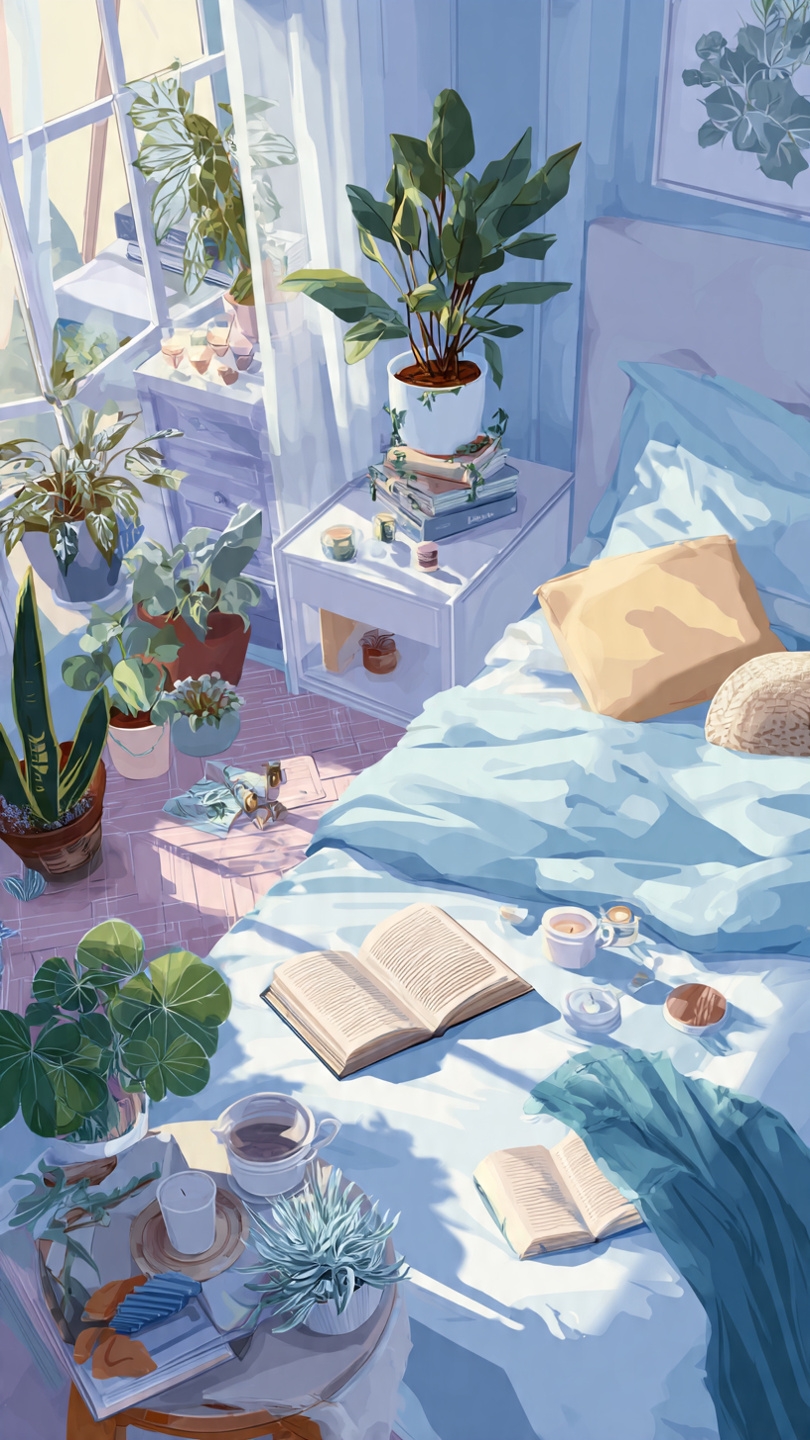
A clean and organised environment can make daily activities more comfortable. You do not need a large house or expensive decorations to create a pleasant living space.
Start with small tasks such as making your bed, arranging your clothes, cleaning your desk, and putting things back in their proper places. Spend a few minutes each day maintaining your surroundings instead of allowing everything to become overwhelming.
You can also improve your environment by opening windows when appropriate, keeping useful items organised, and adding simple decorations that you enjoy.
An organised home can save time because you spend less effort searching for things. It can also encourage positive routines and make everyday responsibilities feel easier.
10. Make Time for Personal Growth
Personal growth is another important part of a fulfilling lifestyle. Learning new things can improve confidence, develop useful skills, and introduce you to new opportunities.
Read books, practice writing, learn a language, or explore a subject that interests you. You can also use free online educational resources to develop skills without spending much money.
Set realistic learning goals and practise regularly. For example, you might read for fifteen minutes each day or learn a few new English words every morning.
Do not compare your progress with someone else's achievements. Everyone learns at a different pace and faces different circumstances. Focus on improving your own abilities and celebrating the progress you make.
Conclusion
A healthy lifestyle is built through small, positive choices that we make every day. Eating balanced meals, staying physically active, sleeping well, managing stress, maintaining relationships, and our time can all contribute to a better quality of life.
You do not need to change everything at once or spend a lot of money to improve your daily routine. Start with one or two habits that suit your circumstances and gradually build from there.
Remember that a good lifestyle is not about perfection or comparing yourself with others. It is about finding balance, taking care of your needs, and making choices that support your happiness and well-being.
Begin with one small positive change today. With patience and consistency, those small changes can become lasting habits and help you create a healthier, happier, and more meaningful life.






Comments 0
Sign in to join the conversation.
No comments yet. Be the first to say something.