

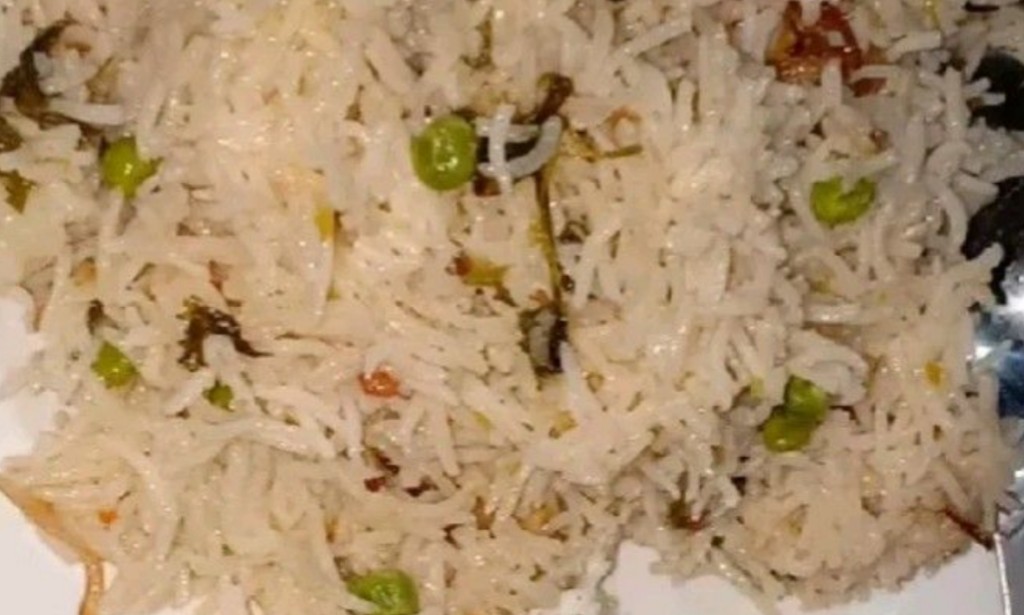
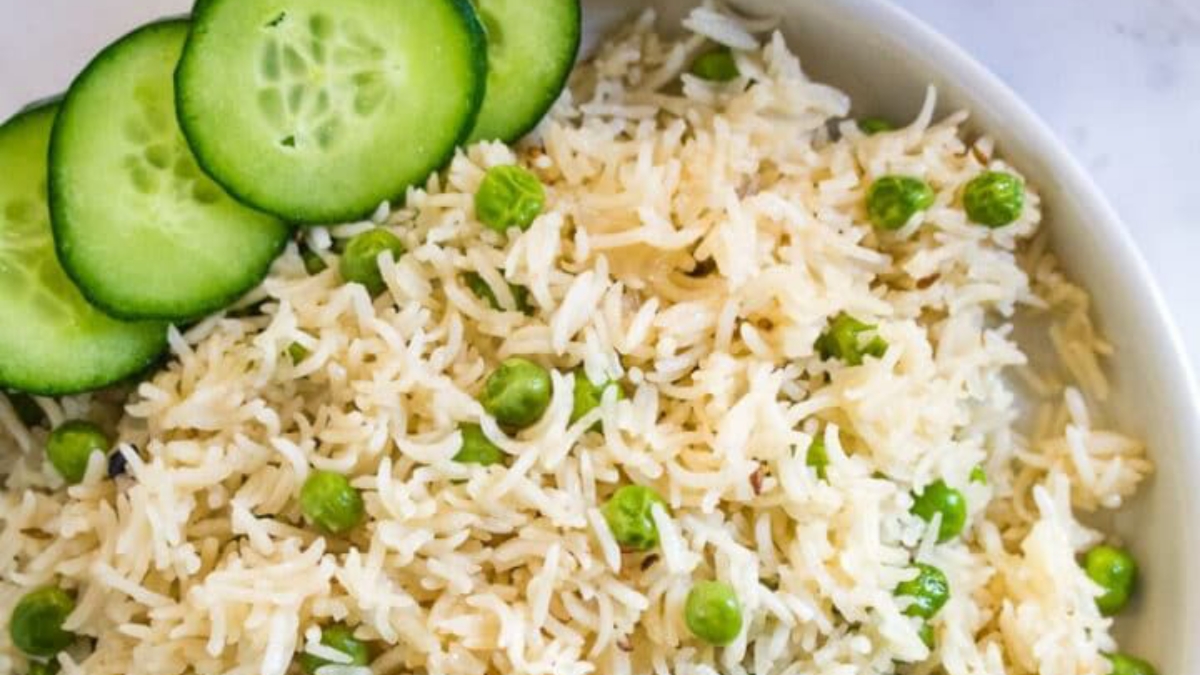
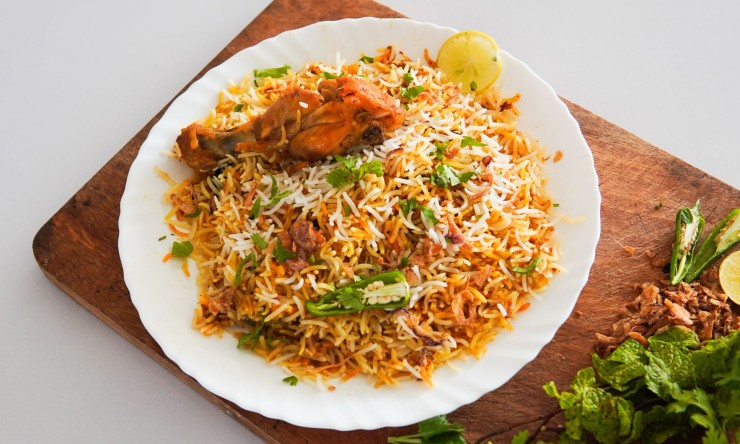
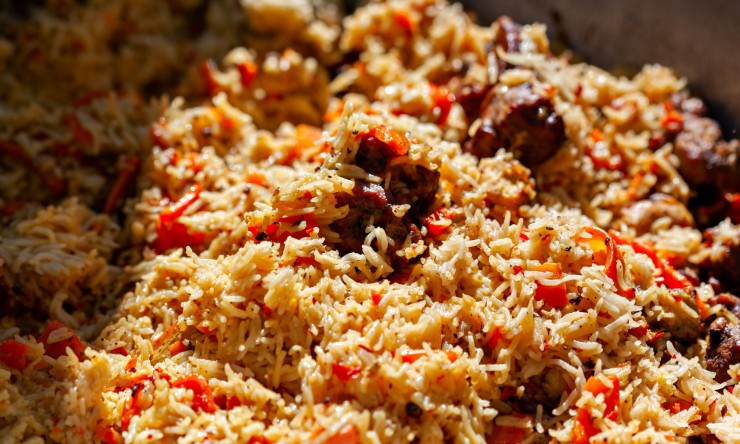
Matar pulao is a delicious Pakistani rice dish made with basmati rice, green peas, onions, and aromatic whole spices. It is simple to prepare and has a wonderful fragrance that makes it perfect for lunch or dinner. Unlike spicy biryani, matar pulao has a mild, comforting flavor that can be enjoyed by the whole family. This easy homemade recipe uses everyday ingredients and provides step-by-step instructions for preparing flavorful rice with tender peas.
Preparation and Cooking Time
Preparation time: 20 minutes
Cooking time: 25–30 minutes
Servings: 3–4 people
Ingredients
2 cups basmati rice
1 cup green peas, fresh or frozen
1 medium onion, thinly sliced
3 tablespoons cooking oil or ghee
1 teaspoon ginger-garlic paste
2 green chilies
1 teaspoon cumin seeds
1 small cinnamon stick
3 cloves
2 green cardamom pods
5–6 black peppercorns
1 bay leaf, optional
Salt to taste
Approximately 3 cups water, depending on the rice
2 tablespoons fresh coriander, optional
Step 1: Wash and Soak the Rice
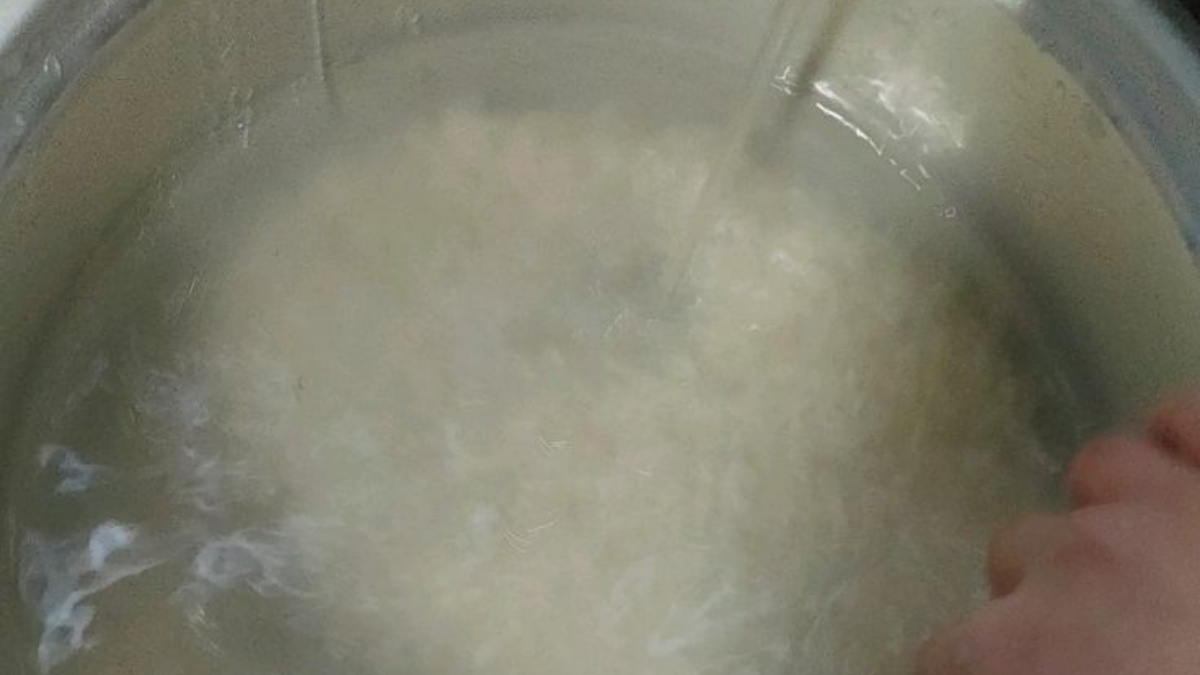
Measure the basmati rice and place it in a large bowl. Wash it gently two or three times with fresh water until the water becomes less cloudy. This helps remove excess surface starch and encourages the grains to remain separate after cooking.
Cover the rice with fresh water and soak it for approximately 20 minutes. After soaking, drain the rice carefully and set it aside. Avoid stirring the grains roughly because soaked basmati rice can break easily. Good-quality basmati rice is ideal for making a fragrant pulao with long, attractive grains.
Step 2: Prepare the Ingredients
Slice the onion thinly so it cooks evenly. If you are using fresh peas, remove them from their pods and rinse them thoroughly. Frozen peas are also suitable for this recipe and can be used after a quick rinse.
Slit the green chilies lengthwise to release their flavor without making the pulao excessively spicy. Measure the whole spices and keep everything near the stove before cooking. Preparing the ingredients beforehand makes the cooking process easier and helps prevent the onions or spices from burning while you search for other ingredients.
Step 3: Fry the Onions and Whole Spices
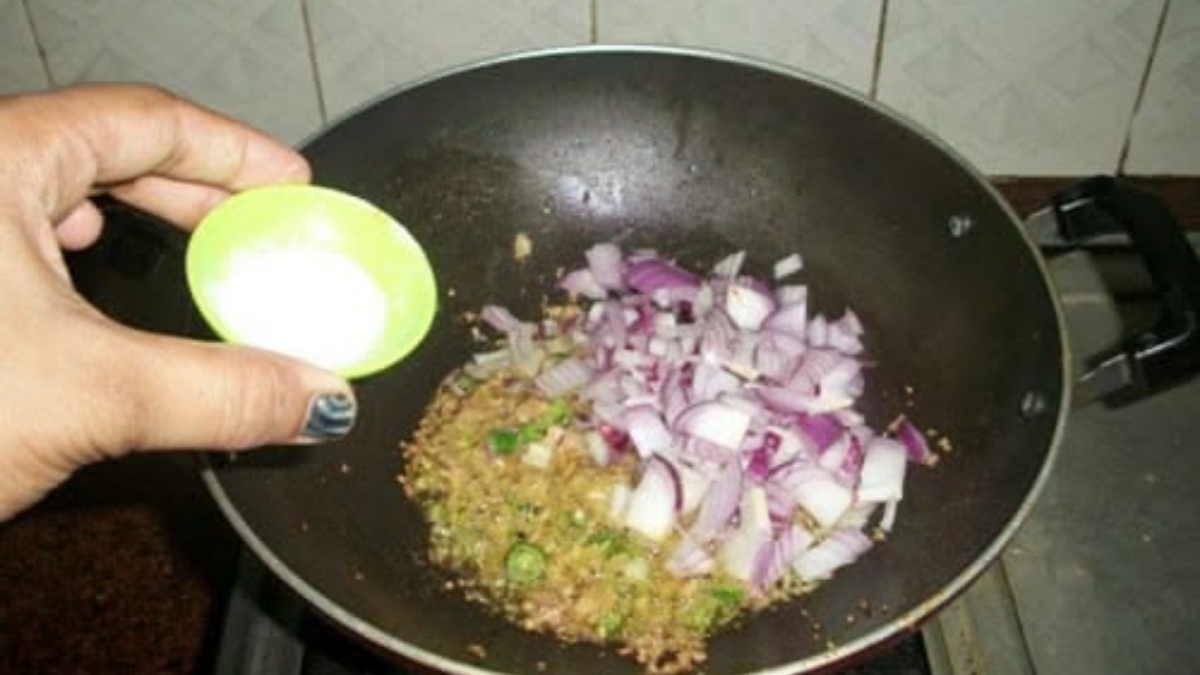
Heat the cooking oil or ghee in a heavy-bottomed pot over medium heat. Add the cumin seeds, cinnamon stick, cloves, cardamom pods, black peppercorns, and bay leaf if using. Stir for approximately 20–30 seconds until the spices release their aroma.
Add the sliced onion and cook for five to seven minutes, stirring occasionally, until it becomes golden brown. Properly fried onions give the pulao a pleasant sweetness and deeper flavor. Add the ginger-garlic paste and cook for another 30–45 seconds. Keep the heat moderate because burnt garlic can make the finished dish taste bitter.
Step 4: Add the Green Peas
Add the green peas and green chilies to the pot. Stir gently to coat the peas with the onion and spice mixture. Cook for three to four minutes, allowing the peas to absorb some of the flavor.
Fresh peas may require slightly more cooking time than frozen peas, depending on their size and tenderness. If the peas are particularly firm, add a small splash of water and cook them briefly before adding the rice. Add salt according to your taste and mix well so the seasoning is distributed evenly.
Step 5: Add Water and Rice
Pour approximately three cups of water into the pot and bring it to a boil. The exact quantity may vary depending on the rice variety, soaking time, pot, and heat level. Taste the cooking liquid and adjust the salt if necessary. It should be well-seasoned because the rice will absorb the flavor as it cooks.
Add the drained rice and stir gently once to distribute it among the peas. Avoid stirring repeatedly, as this can break the rice grains and make the pulao sticky. Keep the pot uncovered over medium heat until most of the water has been absorbed and small holes appear on the surface of the rice.
Step 6: Cover and Steam the Pulao
When the water level has dropped below the surface of the rice, reduce the heat to its lowest setting. Cover the pot tightly with a lid and allow the pulao to steam for approximately 10–15 minutes.
Check the rice near the end of the cooking time. The grains should be tender, and the peas should be cooked without becoming mushy. If the rice remains firm and the pot is dry, sprinkle two or three tablespoons of hot water over the rice. Cover again and cook for a few more minutes. Avoid adding too much water at once because excess moisture can make the rice soft and sticky.
Step 7: Rest and Fluff the Rice
Turn off the heat and leave the pot covered for five minutes. This resting period allows the moisture to settle and helps the rice grains become firmer.
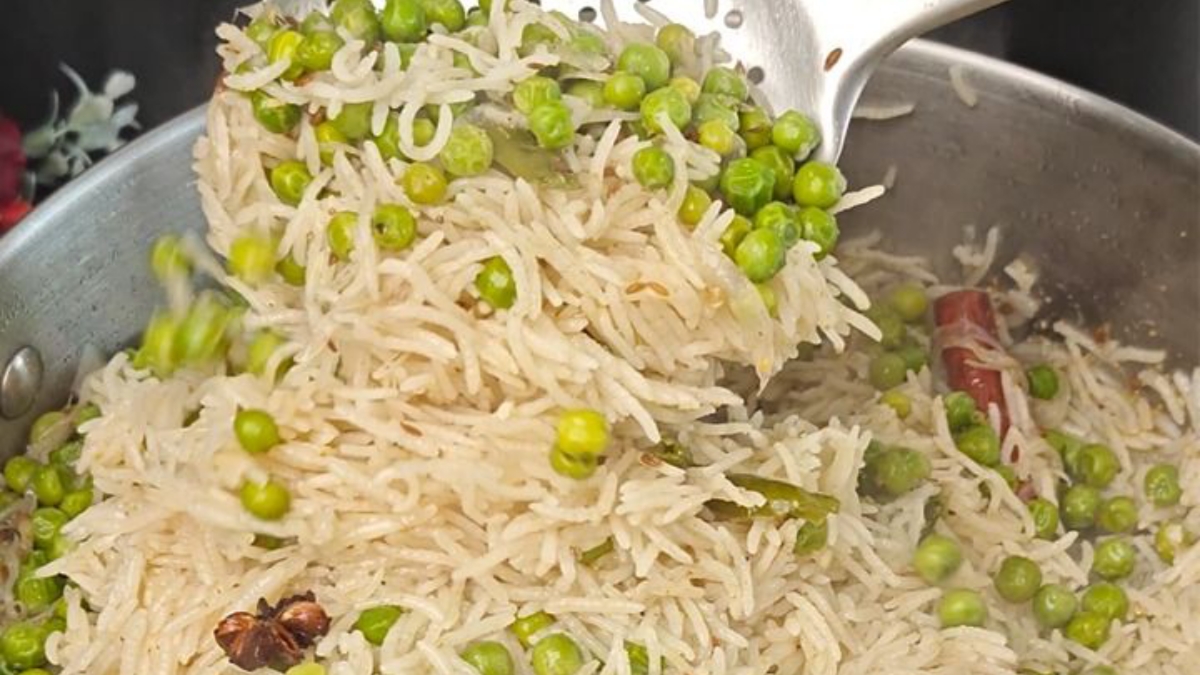
Remove the lid and gently fluff the pulao using a fork or flat rice spoon. Lift the rice carefully from the sides toward the center rather than mixing it vigorously. This helps keep the grains separate and prevents the peas from being crushed. Garnish with chopped fresh coriander if desired.
Tips for Perfect Matar Pulao
Choose good-quality basmati rice for the best texture and fragrance. Soaking the rice helps it cook evenly, but remember to drain it thoroughly before adding it to the pot. Fry the onions until golden rather than very dark, and cook the whole spices briefly to release their fragrance without burning them.
Use a heavy-bottomed pot to reduce the risk of sticking or scorching. Keep the heat low during steaming and avoid lifting the lid repeatedly. Different rice varieties absorb different amounts of water, so adjust the quantity according to your rice and cooking method.
For a richer flavor, use ghee instead of oil or combine both. If you prefer mild food, reduce the green chilies or leave them whole so they can be removed before serving. A few golden fried onion slices can also be added on top for extra flavor and an attractive presentation.
What to Serve with Matar Pulao
Serve hot matar pulao with plain yogurt, cucumber raita, fresh tomato and onion salad, or mint chutney. The cool, creamy taste of raita balances the warmth of the whole spices and makes the meal more enjoyable.
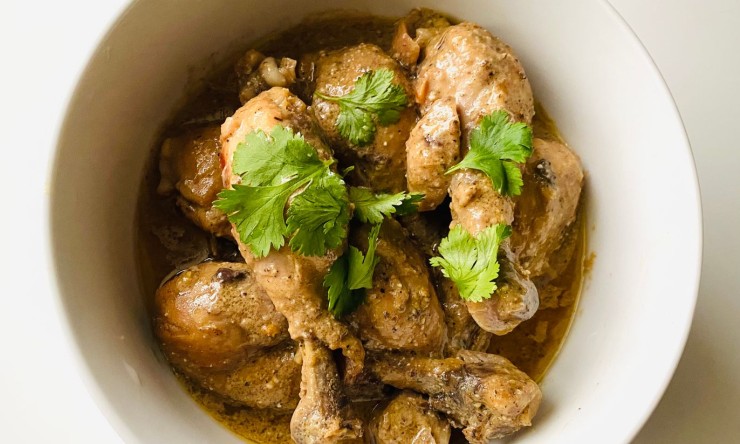
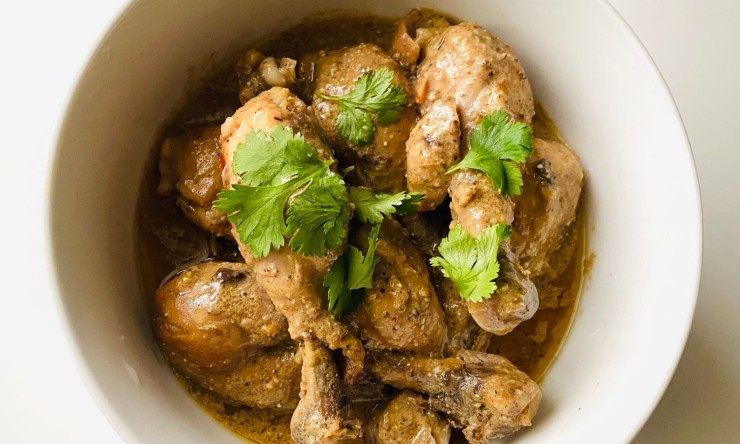
You can also serve this pulao with chicken curry or a simple vegetable dish for a more complete lunch or dinner. For a family meal, arrange the rice in a serving dish and garnish it with fresh coriander or fried onions. Its mild flavor makes it suitable for children and adults alike.
Food Storage and Reheating
If you prepare more pulao than needed, cool it promptly and refrigerate it in a covered container within two hours. For food safety, use refrigerated cooked rice within 24 hours and reheat it only once, until steaming hot throughout. Avoid leaving cooked rice at room temperature for long periods.
This homemade matar pulao combines fragrant basmati rice, tender green peas, and warming spices in a comforting Pakistani dish. By following the steps carefully and adjusting the water to suit your rice, you can prepare a flavorful pulao with beautifully separate grains for your family to enjoy.




Comments 0
Sign in to join the conversation.
No comments yet. Be the first to say something.