

Ramadan 2026 Special: Traditional Mustard Oil Recipes for Iftar & Sehri
 A recipe with Mustard Oil
The holy month of Ramadan is a deeply spiritual journey, a time for reflection, prayer, and unparalleled devotion. But alongside the spiritual nourishment comes the physical rhythm of fasting. As the sun sets and the call to Maghrib prayer echoes, families across the globe gather around the dastarkhwan to break their fast. The aroma of Desi khana (traditional food) wafting from the kitchen is enough to evoke pure nostalgia.
This year, as you curate your Ramadan 2026 recipes, it is time to look to the soul of authentic South Asian cooking. Enter the "liquid gold" of our ancestors' kitchens: mustard oil (sarson ka tel or sorshe tel). With its unmistakably pungent aroma and sharp, earthy bite, mustard oil has the magical ability to elevate the simplest ingredients into extraordinary feasts.
Beyond its flavor, we must consider the mustard oil benefits for fasting. After a long day without food or water, your body craves sustenance that is both nourishing and restorative. Mustard oil is incredibly rich in monounsaturated fats, which provide the slow-burning, sustained energy vital for long fasting hours. Additionally, it boasts powerful antibacterial properties, improves circulation, and aids digestion—ensuring that your stomach remains settled after a hearty Iftar.
If you are looking for the ultimate mustard oil recipes, Ramadan is the perfect occasion to move beyond basic, heavy fried foods. This year, we are diving into the rich, aromatic depth that this traditional oil brings to the table. Prepared dil se (from the heart), here are five Desi Ramadan recipes that will bring health, heritage, and spectacular flavor to your home.
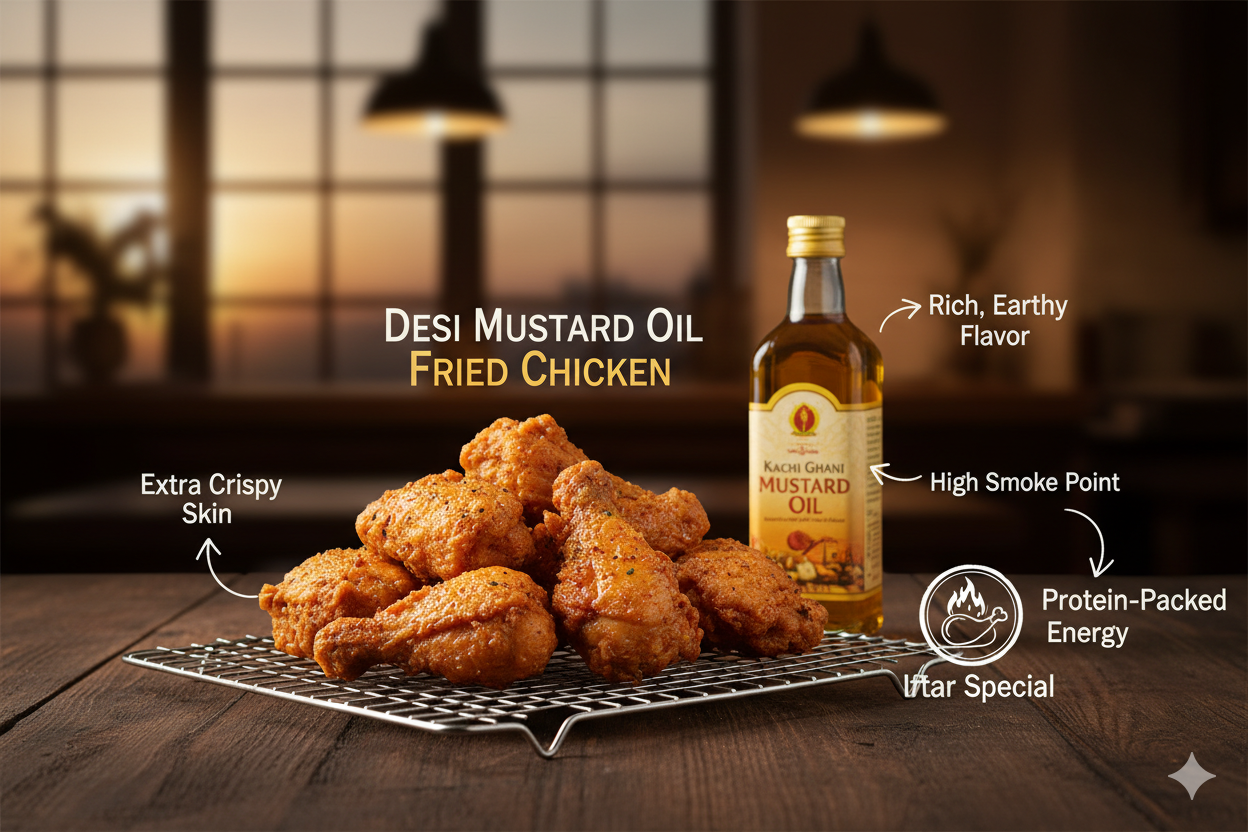
1. Crispy Begun Bhaja (Pan-Fried Eggplant)
A quick, light-on-the-stomach Bengali starter to kick off your Iftar with an irresistible crunch.
Why Mustard Oil?
Eggplant acts like a sponge, and frying it in refined oil can make it feel heavy and greasy. Mustard oil changes the game entirely. It imparts a distinct, peppery sharpness that perfectly balances the natural, creamy sweetness of the eggplant. As a staple among Bengali Ramadan dishes, the oil creates a beautifully caramelized, golden crust that feels decadent yet digestible.
Ingredients:
-
1 large Eggplant (Brinjal), sliced into thick rounds
-
1 tsp Turmeric powder (Haldi)
-
1 tsp Kashmiri red chilli powder
-
Salt to taste
-
1 tbsp Rice flour (for that extra crispiness)
-
3-4 tbsp Kachi ghani mustard oil recipes call for cold-pressed oil for shallow frying
Quick Method:
-
Wash and slice the eggplant into thick rounds.
-
Rub the slices generously with turmeric, chilli powder, salt, and a dusting of rice flour. Let them marinate for 10-15 minutes.
-
Heat the mustard oil in a heavy-bottomed pan until it reaches its smoking point, then lower the heat.
-
Gently place the eggplant slices in the oil and shallow fry on medium heat until both sides are a deep golden brown and crispy.
-
Serve immediately alongside puffed rice (muri) or a warm bowl of lentil soup.
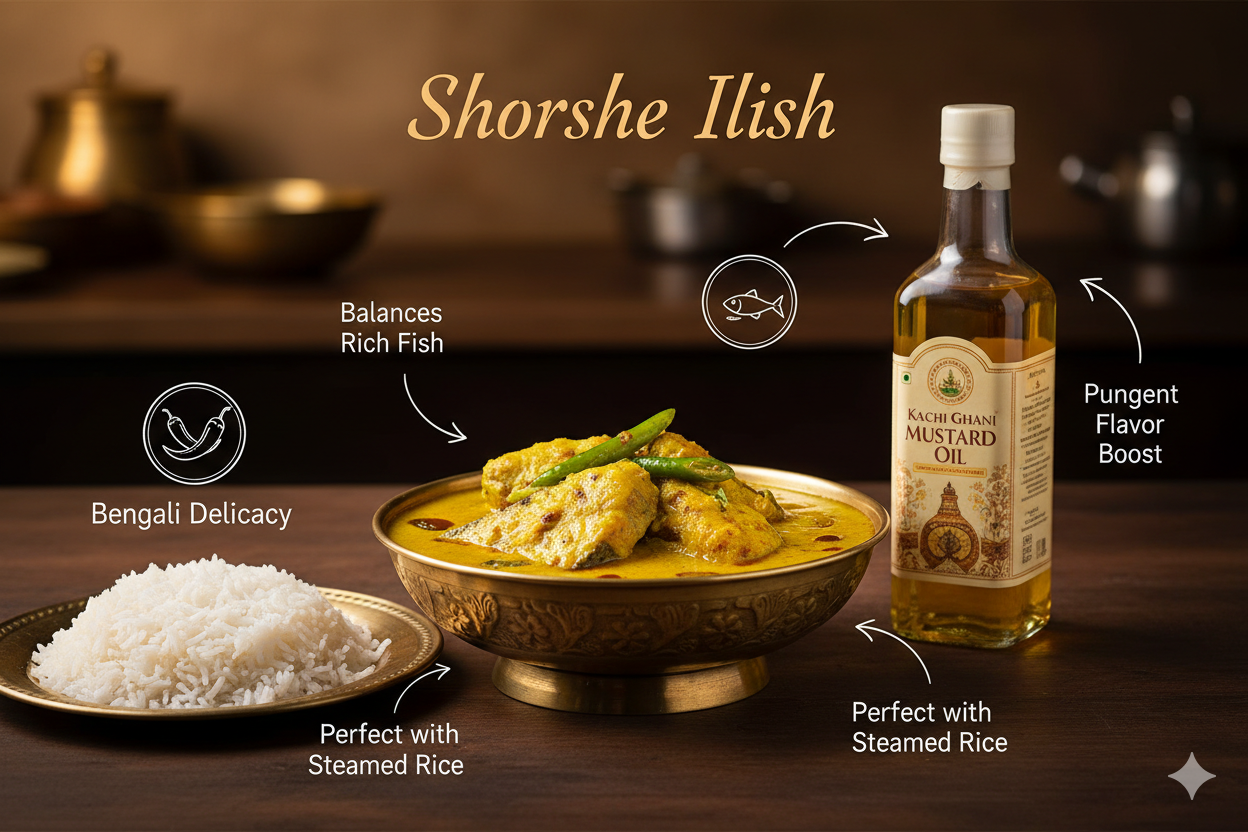
2. Desi Mustard Oil Fried Chicken
 Mustard oil in fried chicken
A crispy, flavor-packed protein boost that reinvents your standard Iftari spread.
Why Mustard Oil?
When making fried snacks with mustard oil, the high smoking point of the oil ensures an exceptionally crispy exterior while sealing in the juices of the meat. Unlike neutral oils, mustard oil infuses the chicken skin with a robust, earthy undertone, giving this modern favorite an entirely traditional, ghar ka khana twist.
Ingredients:
-
500g Chicken pieces (bone-in preferred)
-
2 tbsp Ginger-garlic paste
-
1/2 cup Besan (gram flour)
-
1 tbsp Coriander powder & 1 tsp Garam Masala
-
1 tbsp Lemon juice
-
Salt and red chilli powder to taste
-
2 cups Mustard oil (for deep frying)
Quick Method:
-
In a large bowl, marinate the chicken with ginger-garlic paste, lemon juice, salt, and spices.
-
Add the besan and a splash of water to create a thick coating that clings to the chicken pieces. Let it rest for at least 30 minutes.
-
Heat the mustard oil in a kadhai (wok) until it smokes, then reduce to medium-high.
-
Carefully drop the chicken pieces into the hot oil. Fry until the coating is dark golden and the chicken is cooked through.
-
Drain on paper towels and serve hot with mint chutney.
3. Authentic Kashmiri Dum Aloo
 Mustard oil recipe
A deeply comforting and rich potato curry, providing sustained energy for Sehri.
Why Mustard Oil?
In Kashmiri cuisine, mustard oil is not just a cooking medium; it is the fundamental base of the dish. The oil imparts a deep, fiery red color to the gravy and offers an earthy warmth that defines the authentic flavor profile. If you are looking for hearty Sehri recipes with mustard oil that will keep you full until dusk, this slow-cooked delicacy is unmatched.
Ingredients:
-
500g Baby potatoes, boiled and peeled
-
1 cup Whisked yogurt
-
2 tbsp Kashmiri Lal Mirch (red chilli powder)
-
1 tbsp Fennel powder (Saunf)
-
1 tsp Dry ginger powder (Saunth)
-
Whole spices (Cloves, cardamom, cinnamon)
-
4 tbsp Mustard oil
Quick Method:
-
Prick the boiled baby potatoes with a fork. Heat mustard oil in a pan until smoking, then deep fry the potatoes until they form a golden, tough crust. Set aside.
-
In the remaining oil, add the whole spices.
-
In a bowl, mix the whisked yogurt with Kashmiri red chilli, fennel, and ginger powder.
-
Lower the heat and pour the yogurt mixture into the oil, stirring continuously to prevent curdling.
-
Add the fried potatoes into the vibrant red gravy. Cover and let it simmer (dum) on low heat for 15-20 minutes until the oil separates and floats to the top. Serve with warm parathas.
4. Shorshe Ilish (Ilish Macher Jhal / Hilsa in Mustard Gravy)
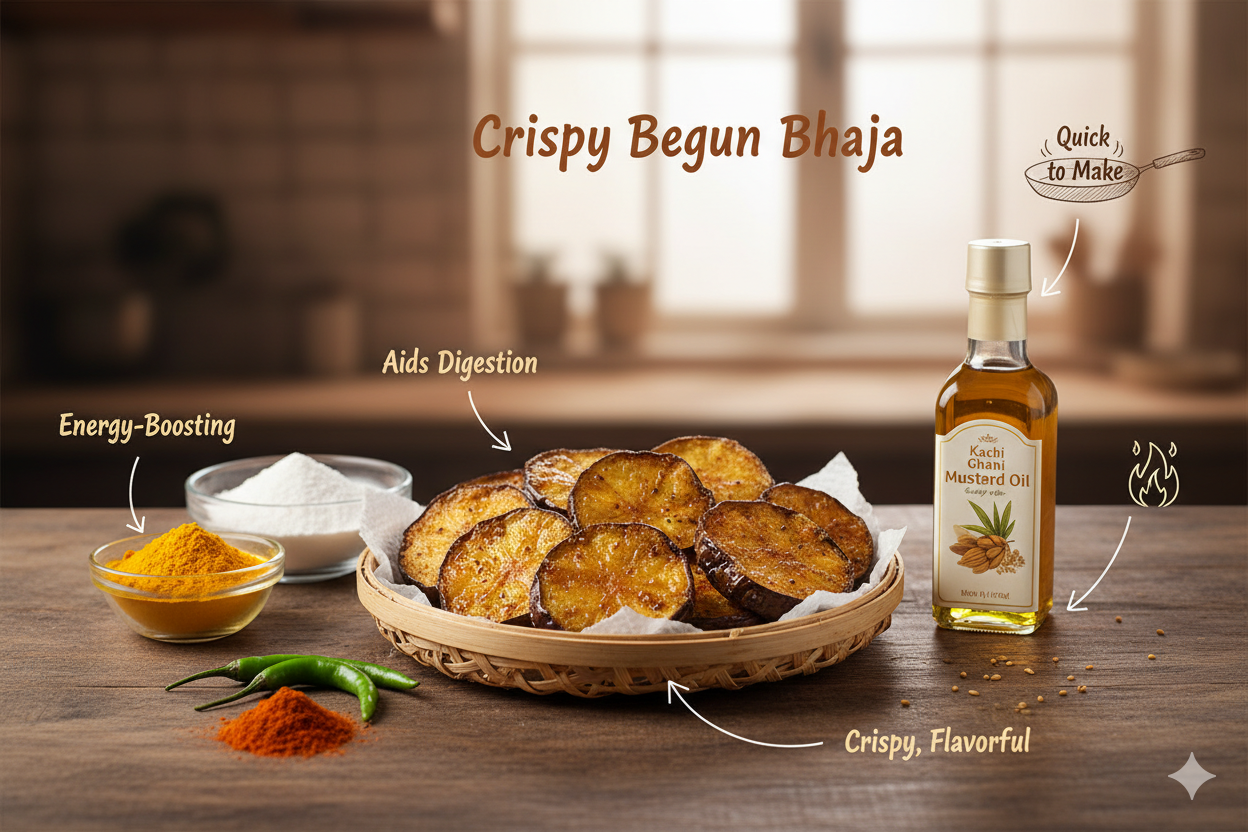
The crowning glory of Bengali cuisine, perfect for a grand weekend Iftar dinner.
Why Mustard Oil?
When dealing with a fish as oily, rich, and flavorful as Hilsa (Ilish), mustard oil is completely non-negotiable. The oil acts as a sharp, pungent counterbalance to the heavy fish fats, marrying perfectly with the spicy mustard seed paste. This dish is an absolute must-try if you are exploring authentic Bengali Ramadan dishes.
Ingredients:
-
4-5 pieces of Ilish (Hilsa) fish
-
3 tbsp Black and yellow mustard seeds (soaked and ground to a paste)
-
4-5 Slit green chillies
-
1/2 tsp Kalonji (Nigella seeds)
-
1 tsp Turmeric powder
-
4 tbsp Mustard oil (plus 1 tbsp raw oil for garnishing)
Quick Method:
-
Marinate the fish pieces with salt and half the turmeric powder.
-
Heat mustard oil in a pan and very lightly fry the fish for just 1 minute on each side (optional; traditionally, raw fish is also used). Remove and set aside.
-
In the same oil, temper the kalonji and slit green chillies.
-
Add the ground mustard paste mixed with the remaining turmeric and a little water. Sauté gently.
-
Slide the fish pieces into the bubbling gravy. Cook on low heat for 10 minutes.
-
Turn off the heat and drizzle a tablespoon of raw mustard oil over the top for a final, eye-watering kick of flavor. Serve with steaming white rice.
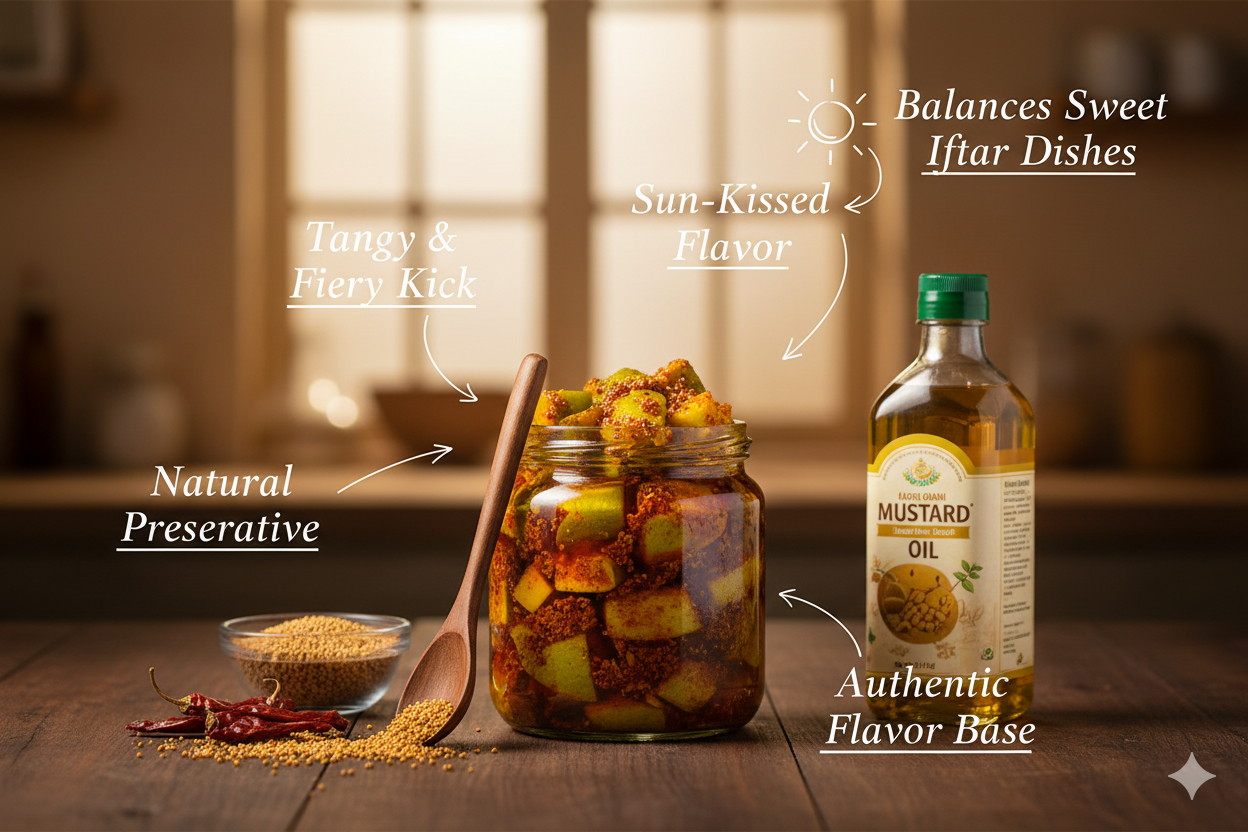
5. Instant Aam Ka Achaar (Raw Mango Pickle)
A fiery, tangy palate cleanser that perfectly balances the rich, heavy spread of Iftar.
Why Mustard Oil?
Ramadan in South Asia often coincides with the arrival of summer mangoes. Here, raw mustard oil acts as a powerful natural preservative. More importantly, it infuses the tart mangoes with a fiery, nasal-clearing kick that cuts brilliantly through the overwhelming sweetness of dates, Rooh Afza, and heavy fried foods. It is the perfect accompaniment to easy Iftari recipes.
Ingredients:
-
2 cups Raw mango, diced into small cubes
-
2 tbsp Mustard seeds (crushed)
-
1 tbsp Fennel seeds (Saunf)
-
1/2 tsp Fenugreek seeds (Methi dana)
-
1 tbsp Red chilli powder & 1 tsp Turmeric
-
Salt to taste
-
1/2 cup Raw, high-quality Mustard oil
Quick Method:
-
In a large, dry glass bowl, combine the diced raw mangoes with all the dry spices and salt.
-
Toss the mangoes thoroughly until every piece is coated in the spice mix.
-
Pour the raw mustard oil directly over the mangoes. (For a milder flavor, you can heat the oil to a smoke point, let it cool completely, and then pour it over).
-
Mix well and transfer to an airtight glass jar.
-
While it can be eaten instantly, letting it sit in the sun for 2-3 days will allow the flavors to mature and deepen beautifully.
A Crucial Health Note on Mustard Oil
When incorporating these healthy Iftar recipes into your routine, the quality of your ingredients matters immensely. Always opt for Kachi Ghani (cold-pressed) mustard oil rather than refined versions. Cold-pressed oil retains its natural antioxidants, essential vitamins, and optimal ratio of Omega-3 to Omega-6 fatty acids, making it a heart-healthy choice for fasting bodies.
Pro-Tip for the Kitchen: Mustard oil is famous for its strong, pungent aroma, which comes from a compound called allyl isothiocyanate. If you or your family are sensitive to its intense bite, simply heat the oil in your pan until it begins to emit a light white smoke. Turn off the flame, let it cool slightly, and then proceed with your cooking. This traditional technique mellows out the sharpness while retaining the oil's gorgeous flavor and health properties.
Frequently Asked Questions (FAQs)
Q1: Why is mustard oil particularly good for Ramadan fasting and meals?
A1: Mustard oil is a fantastic choice for Ramadan! It's rich in monounsaturated fats, which provide sustained energy—crucial for enduring long fasting hours. Beyond that, its natural antibacterial properties and digestive aid qualities can help keep your stomach settled and healthy after a day of fasting, making your Iftar and Sehri meals both delicious and beneficial.
Q2: I'm new to cooking with mustard oil. Does it have a very strong taste? How can I mellow it out if needed?
A2: Yes, good quality Kachi Ghani mustard oil does have a distinct, pungent aroma and a sharp flavor, which is highly prized in South Asian cuisine! If you're new to it or prefer a milder taste, a traditional trick is to heat the oil in your pan until it just starts to smoke lightly. Then, turn off the flame and let it cool slightly before you begin cooking. This process mellows out the intense pungency while preserving its unique flavor and health benefits.
Q3: Are these "Mustard Oil Recipes Ramadan" friendly for Sehri (pre-dawn meal) as well as Iftar (breaking fast)?
A3: Absolutely! Many of these recipes, like the Kashmiri Dum Aloo, are hearty enough to provide sustained energy throughout the day, making them excellent choices for Sehri recipes with mustard oil. Lighter options like Begun Bhaja or Aam Ka Achaar can also be enjoyed during Sehri to add flavor and nutrition. We've focused on dishes that are both delicious and functional for fasting periods.
Q4: Where can I find Kachi Ghani (cold-pressed) mustard oil, and why is it better than refined mustard oil?
A4: Kachi Ghani (cold-pressed) mustard oil is often available in South Asian grocery stores, organic food sections of larger supermarkets, and online. It's superior because it's extracted at low temperatures, preserving its natural antioxidants, essential vitamins, and beneficial fatty acids (like Omega-3 and Omega-6). Refined oils, on the other hand, undergo chemical processing that strips away many of these valuable nutrients. For truly healthy Iftar recipes and authentic flavor, always choose Kachi Ghani.
Q5: Can I adapt these recipes if I don't have all the specific South Asian spices mentioned?
A5: While using authentic spices will give you the most traditional flavor, you can certainly adapt! For instance, if you don't have Bengali Five Spice, you can use cumin and fenugreek seeds. For Kashmiri Lal Mirch, a good quality paprika can provide color, though with less heat. The key is to embrace the spirit of Desi Ramadan recipes and experiment with what you have. Don't be afraid to adjust to your pantry and palate!
Q6: What other types of dishes work well with mustard oil beyond those listed?
A6: Mustard oil is incredibly versatile! It's fantastic for tempering dals, stir-frying vegetables (especially leafy greens), making marinades for fish and chicken, and even for certain kinds of breads like puri. Its distinctive flavor pairs wonderfully with potatoes, gourds, and lentils.
Conclusion
From the crispy, golden edges of Begun Bhaja to the rich, crimson depths of Kashmiri Dum Aloo, mustard oil is truly a versatile powerhouse in the South Asian kitchen. It connects us to our roots, elevating everyday ingredients into meals worthy of the holy month.
This Ramadan, we encourage you to step outside the realm of ordinary cooking oils and experiment with these vibrant, flavor-packed recipes. Try incorporating that signature sizzle into your Iftar and Sehri routines, and watch how it brings your family together at the dining table. We would love to hear how you use mustard oil in your own homes—feel free to share your family’s treasured culinary traditions!
May your kitchens be filled with the comforting aroma of good food, your fasts be accepted, and your hearts be filled with immense peace and gratitude.:

You must be logged in to post a comment.