

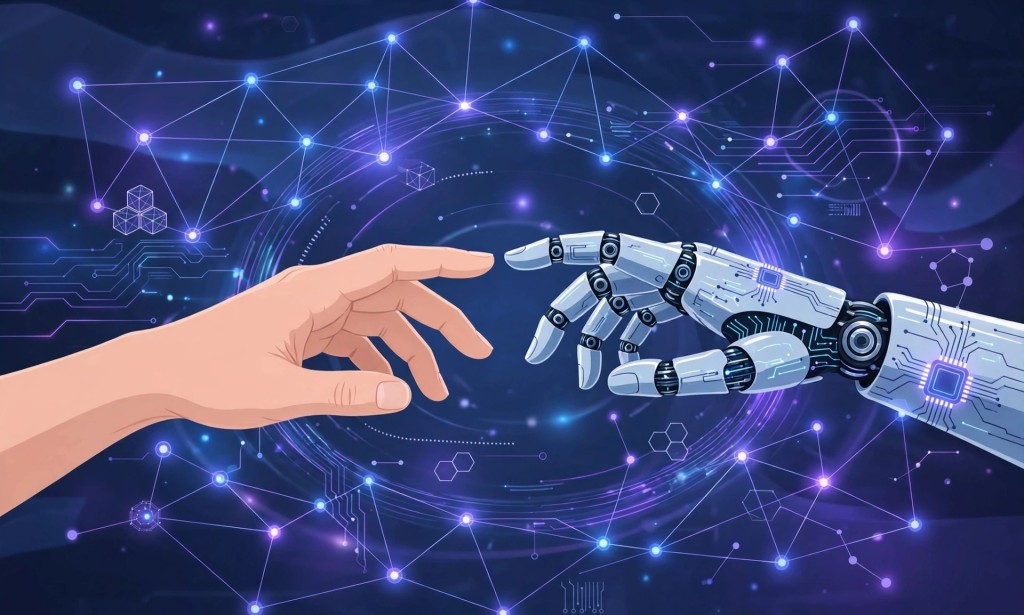
AI and Blockchain: What These Technologies Actually Mean for Everyday People
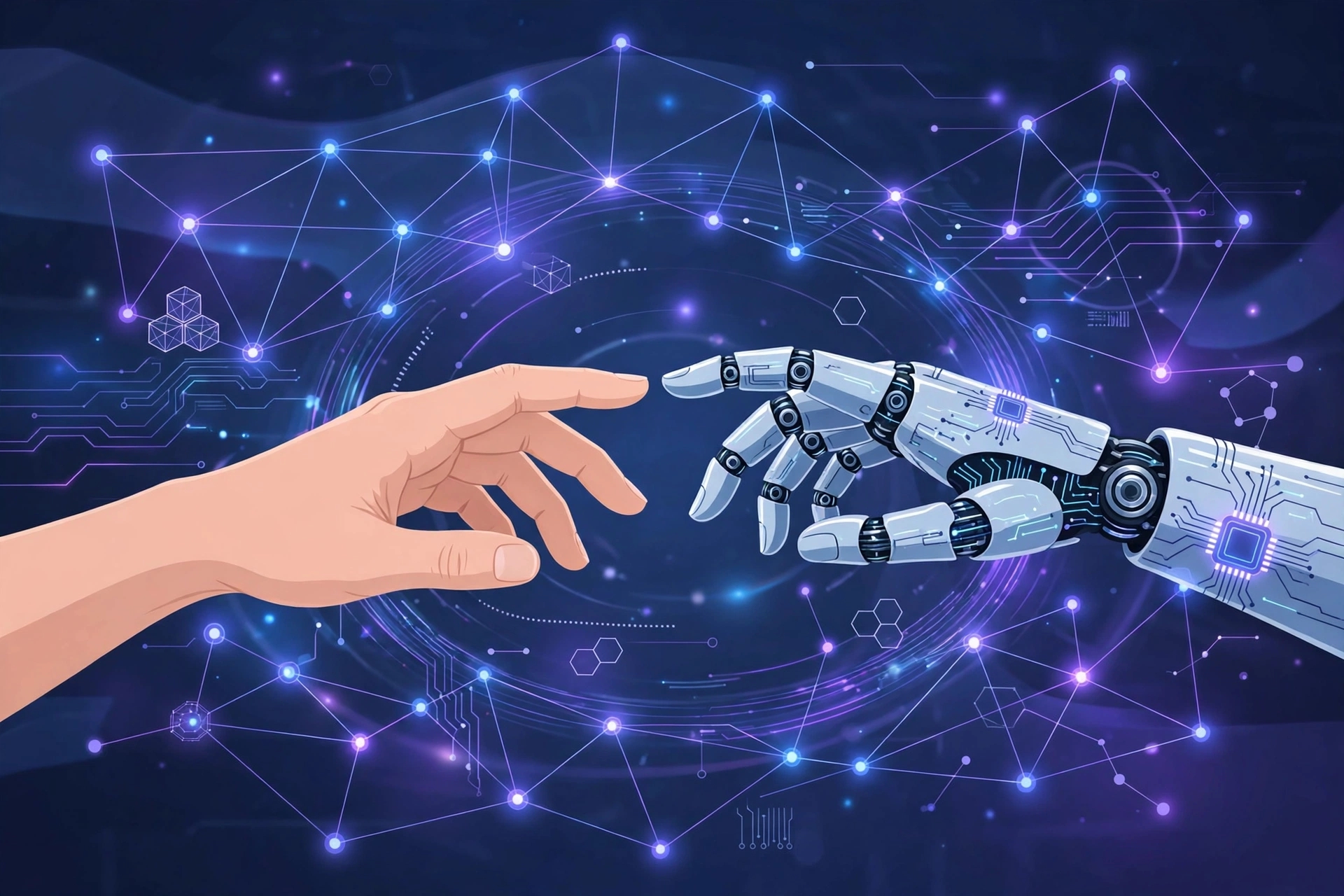
I have asked ChatGPT, Claude and Gemini similar questions more than once. Sometimes their answers are surprisingly different. One explains a topic in simple language, another provides more detail, and occasionally I have to ask again because none of the explanations makes complete sense.
That is one thing I have noticed while using artificial intelligence (AI) tools. They can save time, help me understand unfamiliar subjects and make certain tasks easier. But they do not remove the need to think for myself.
Artificial intelligence and blockchain are often discussed as technologies that will shape the future. Yet, for someone outside the technology industry, understanding what they actually do can be difficult.
I use AI tools for writing, learning and exploring website ideas. Blockchain is a subject I am still learning about. Looking at both from an ordinary user's perspective raises an interesting question: how can these technologies become useful in everyday life?
1. Artificial Intelligence Is Already Part of Everyday Life
Artificial intelligence is no longer limited to research laboratories or large technology companies. Many people use AI without giving much thought to the technology behind it.
A student might ask an AI tool to explain a difficult science topic. Someone applying for a job might use it to improve a cover letter. A small business owner might ask for help writing a product description. A person learning a new language might use it to practise sentences.
These are ordinary tasks, but they show how AI can fit into daily life.
I use tools such as ChatGPT, Claude and Gemini when I need help understanding something, working on writing or exploring website ideas. One feature I find useful is the ability to ask follow-up questions. If an explanation is too difficult, I can request simpler language. If I do not understand a technical term, I can ask what it means.
This kind of assistance can be particularly helpful for people learning something new without a technical background.
However, AI tools are not always accurate. They can misunderstand questions, provide outdated information or generate answers that sound convincing but contain mistakes. I treat their responses as a starting point rather than something I should accept without checking.
2. How People Are Using AI in Everyday Work
The practical value of AI is not always found in complicated applications. Sometimes it simply helps people complete familiar tasks more efficiently.
Writing and communication: Writers can use AI to organise ideas, check grammar and improve unclear sentences. It can also help people express their thoughts in a language they are still learning.
Education and learning: Students can ask AI to explain difficult concepts, create practice questions or provide another explanation of a textbook lesson. However, using AI to understand a subject is different from copying answers without learning.
Website development: People learning to build websites can use AI to understand unfamiliar code, investigate errors and learn what different instructions do. I have found this type of assistance useful while exploring website projects.
There is one limitation I have noticed: copying code without understanding it can create new problems. Asking for an explanation is often more useful than simply asking for a finished answer.

3. What Is Blockchain Technology?
Blockchain is often mentioned in conversations about Bitcoin, so it is easy to assume that both terms mean the same thing. They do not.
Bitcoin is a digital currency. Blockchain is the technology used by Bitcoin to maintain a record of transactions. Other blockchain networks can serve different purposes.
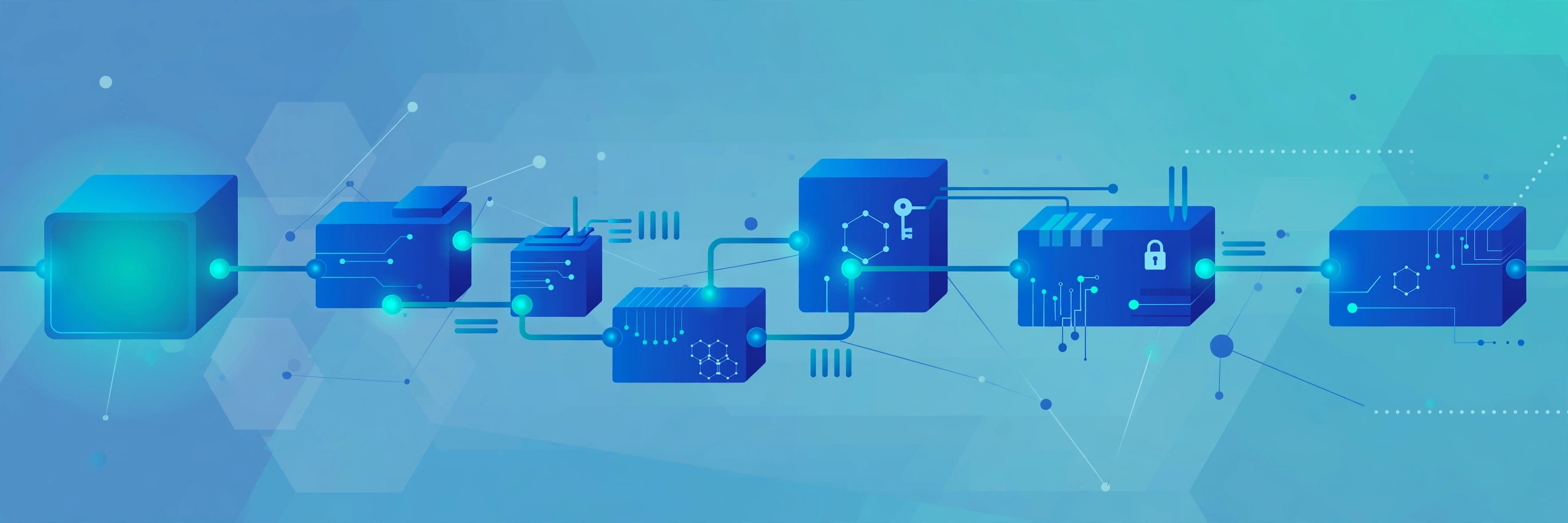
A simple way to understand blockchain is to think of a digital record book shared across a network. Information is grouped into blocks, and these blocks are connected in a sequence. Network rules help participants agree on which information should be added.
Once information has been recorded and confirmed, changing it can be difficult, depending on how the particular blockchain is designed.
This is one reason businesses and organisations have explored blockchain for maintaining records. Potential applications include tracking products through supply chains, recording transactions and managing certain types of digital assets.
However, blockchain does not automatically guarantee that every piece of information entered into a system is correct. If inaccurate information is added at the beginning, the technology cannot magically make it accurate.
I have not used blockchain professionally, so I would not claim hands-on experience. I am still learning about its uses beyond cryptocurrency. Even at a basic level, one distinction is important: blockchain provides a way to record information, but it does not guarantee that the information itself is reliable.
4. How Artificial Intelligence and Blockchain Could Work Together
AI and blockchain solve different types of problems. AI can analyse information, identify patterns and generate predictions. Blockchain can maintain records across a network.
This difference makes their possible combination interesting.
Consider a company transporting products from one location to another. AI could analyse delivery information and identify patterns that might indicate delays. A blockchain-based system could record certain stages of a product's journey.
In theory, this combination could make some records easier for authorised participants to check. However, the results would depend on how the system was designed and whether the information entered into it was accurate.
Other areas being explored include digital identity, financial services and data management. Still, combining two technologies does not automatically make a service better.
Businesses need to consider practical questions before adopting them:
What problem are these technologies supposed to solve?
Is blockchain actually necessary?
Can AI perform the required task reliably?
How will personal and business information be protected?
Will the benefits justify the cost?
Sometimes, a simpler and less expensive system may be the better option.
5. The Challenges and Risks of AI and Blockchain
New technology can make certain tasks easier, but there are problems that deserve attention.
AI accuracy and misinformation
AI can generate incorrect information in a confident tone. Someone who does not verify an answer may end up sharing misleading information or making a poor decision. This is especially concerning when AI is used for financial, legal or health-related questions.
Privacy and data protection
People sometimes share private messages, personal documents or business information with AI tools without considering how that information may be handled. Checking privacy settings and service policies before sharing sensitive information is a sensible precaution.
Blockchain costs and complexity
Some blockchain networks require considerable computing resources, while others involve transaction fees. Different systems also have different levels of privacy, accessibility and technical complexity.
Access to technology
Not everyone has a reliable internet connection, a modern device or the technical knowledge needed to use these services comfortably. A technology may be impressive, but its benefits remain limited if ordinary people cannot access it.
The real value of technology should be measured by the problems it solves, not simply by how advanced it sounds.
6. Three Practical Ways to Start Learning About These Technologies
You do not need to become a programmer to understand the basics of AI and blockchain. A few simple activities can provide a useful starting point.
1. Compare AI responses
Choose a subject you already understand and ask an AI tool to explain it. Read the answer carefully, then ask the same question in a different way. Notice how the explanation changes and check any information that seems questionable.
2. Use AI for a small everyday task
Ask an AI tool to explain a difficult paragraph, organise a few ideas or suggest improvements to a piece of writing. Review the result yourself instead of copying it without checking.
3. Understand blockchain before exploring cryptocurrency
Learn the difference between Bitcoin and blockchain. Read about how blockchain records transactions and why different industries are interested in it. You can explore the subject without investing money or purchasing digital currency.
These small steps can help you understand the technologies without feeling pressured to follow every new trend.
7. What the Future May Hold
I am comfortable using AI for certain tasks, but I still compare answers and check information. I do not think one tool will always provide the best response.
Blockchain is a different learning process for me. I understand its basic concept, but there is still much more to explore before I could claim to know how to use it.
Both technologies have potential, but their usefulness will depend on how people develop and apply them. AI needs reliable information and responsible use. Blockchain needs practical applications that justify its costs and complexity.
For ordinary people, understanding the basics may be more useful than trying every new platform that appears online.
When I look at these technologies, I keep returning to one practical question: does this actually make a task easier, clearer or more reliable?
That is the question I want answered before adding another tool to my screen.





Comments 0
Sign in to join the conversation.
No comments yet. Be the first to say something.