


Introduction: Places Where History Meets Mystery
Around the world, there are places that make people feel uneasy even before they hear their stories. Some are ancient castles where prisoners once suffered. Others are underground tunnels filled with human remains or abandoned buildings with dark pasts.
For centuries, people have shared stories about strange sounds, unexplained shadows, and mysterious figures appearing in these locations. These tales have turned ordinary historical sites into destinations that attract curious visitors, history lovers, and paranormal enthusiasts.
But are these places really haunted? There is no reliable scientific evidence proving that ghosts inhabit them. However, their documented histories and the legends surrounding them are fascinating enough to make anyone curious.
Here are seven famous places around the world whose eerie reputations continue to capture people's imaginations.
1. Edinburgh Castle, Scotland
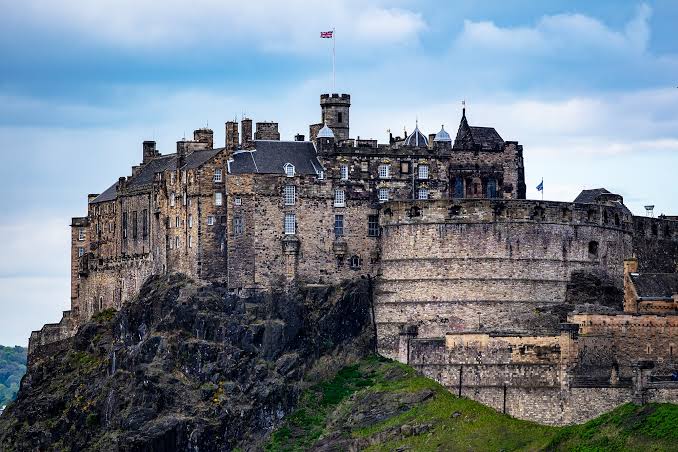
Edinburgh Castle stands high on Castle Rock, overlooking the historic Scottish capital. Its dramatic location, ancient stone walls, and centuries of conflict make it one of Scotland's most atmospheric landmarks.
The castle has served as a royal residence, military stronghold, and prison. It has witnessed numerous sieges and battles throughout its long history. With so many dramatic events connected to the site, it is no surprise that stories of paranormal activity have become part of its reputation.
One popular legend concerns a mysterious piper who was sent into underground passages to explore them. According to the tale, his music could be heard above ground until it suddenly stopped. When people went looking for him, he had disappeared.
Other ghost stories involve shadowy figures and unexplained sounds within the castle's old rooms and passages. These accounts are part of local folklore rather than verified supernatural events.
Why it fascinates people: Edinburgh Castle combines genuine military history with centuries of legends, creating an atmosphere that feels straight out of a gothic novel.
2. The Paris Catacombs, France
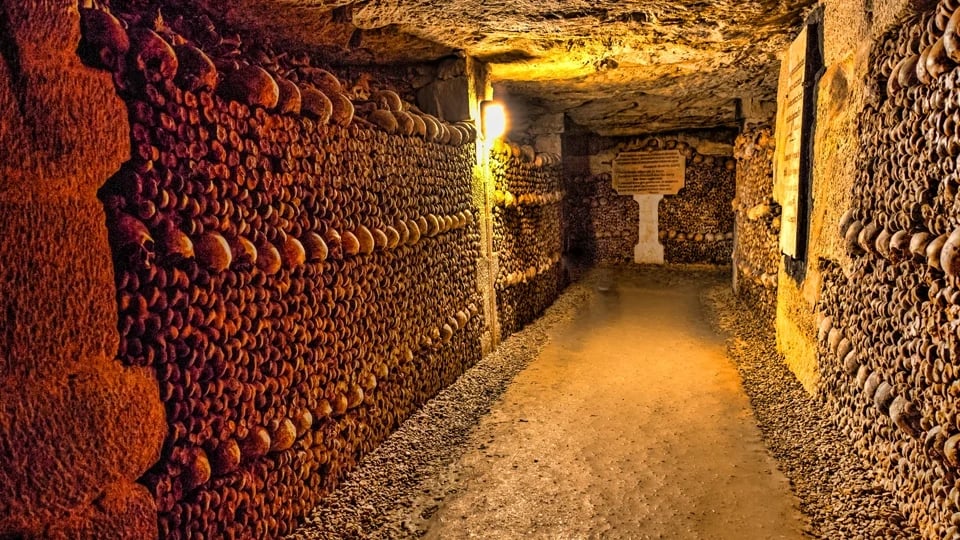
Beneath the busy streets of Paris lies a vast network of underground tunnels known as the Paris Catacombs. Unlike the romantic cafés and beautiful architecture above ground, this place offers a chilling reminder of the city's past.
During the late eighteenth century, overcrowded cemeteries created serious public-health concerns. Authorities began transferring human remains into former underground quarries. The site developed into a municipal ossuary, and remains from several million Parisians are now associated with the Catacombs.
The tunnels are lined with carefully arranged bones and skulls, creating a scene that many visitors find unsettling. Their silence, darkness, and underground setting have inspired stories of strange encounters and unexplained experiences.
Some urban legends describe people becoming lost in the tunnels or hearing mysterious noises in the darkness. Although the Catacombs have a genuine and unusual history, ghost stories about them should be treated as folklore rather than proof of paranormal activity.
Why it fascinates people: The Catacombs are real, historically significant, and visually extraordinary. Their atmosphere alone explains why they have inspired so many mysterious tales.
3. The Tower of London, England
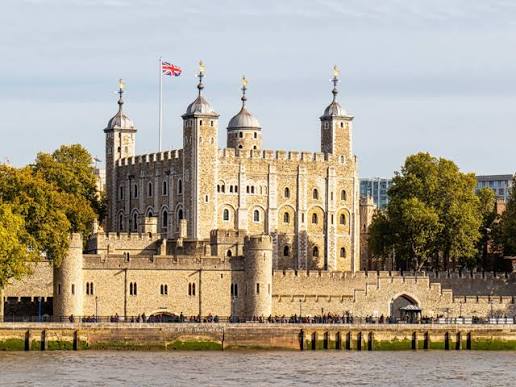
Located beside the River Thames, the Tower of London is one of England's most famous historic landmarks. Its imposing walls conceal a complicated history involving royalty, imprisonment, political struggles, and executions.
For centuries, the Tower served as a royal residence, fortress, and prison. Several well-known historical figures were held there, and some prisoners met tragic ends within its walls.
One of its most famous ghost stories concerns Anne Boleyn, the second wife of King Henry VIII. She was executed in 1536, and legend claims that her spirit sometimes appears near the place associated with her execution.
Stories also surround the disappearance of the two young princes known as the Princes in the Tower. Their fate remains a subject of historical debate, and their story has helped fuel the site's mysterious reputation.
The Tower's documented history is already dramatic, even without supernatural explanations. Its legends reflect how stories of tragedy and uncertainty can become attached to historical places.
Why it fascinates people: The Tower of London brings together real royal intrigue, unresolved historical questions, and ghost stories passed down through generations.
4. Eastern State Penitentiary, United States
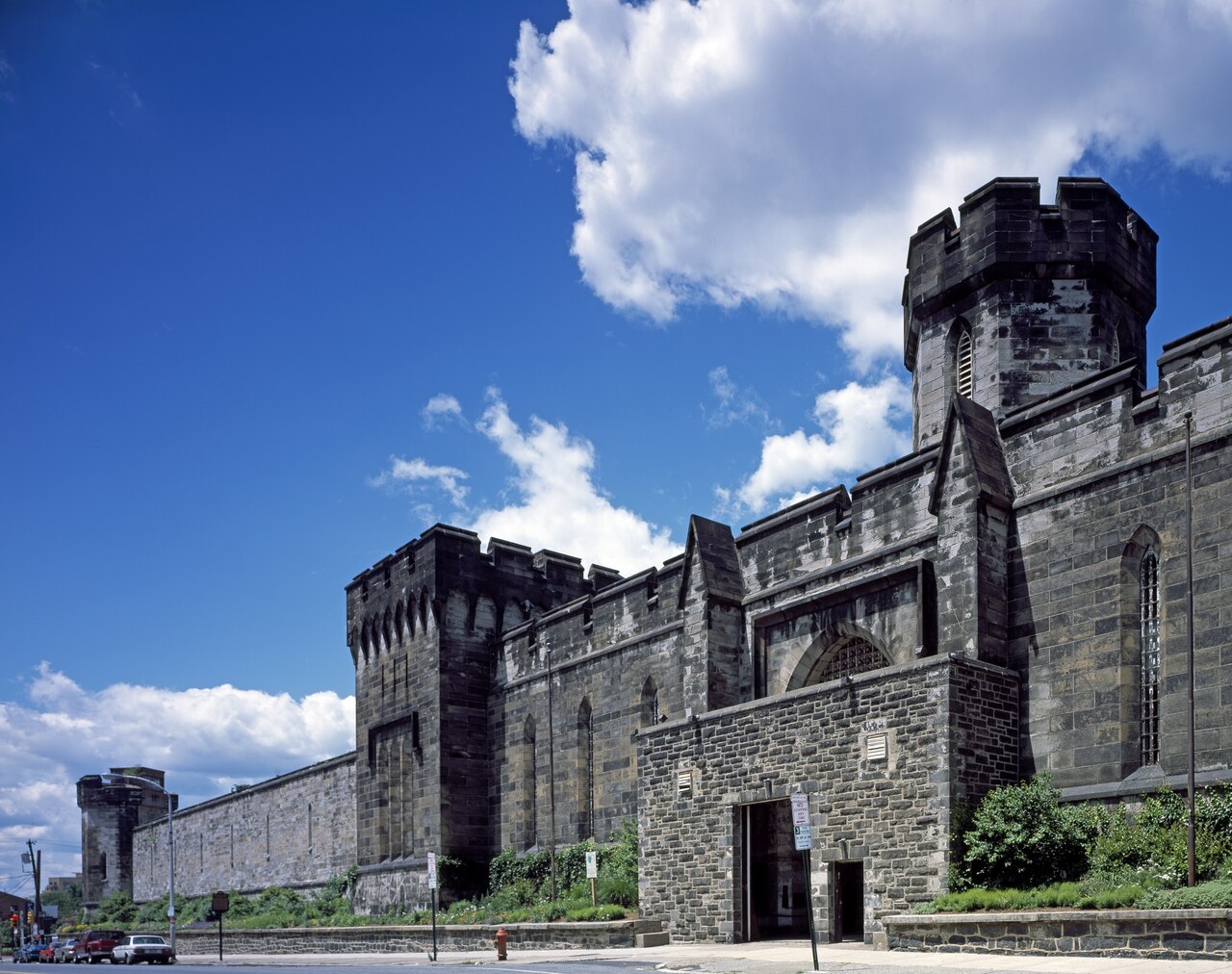
In Philadelphia, Pennsylvania, stands Eastern State Penitentiary, a former prison famous for its imposing architecture and ruined cellblocks.
When it opened in the nineteenth century, the prison became known for its strict system of solitary confinement. Its design aimed to encourage prisoners to reflect on their actions, but the isolation could be deeply distressing.
Thousands of people passed through its cells during the prison's operating years. The institution eventually closed in 1971, and parts of the building remain in a state of striking decay.
Eastern State's reputation for hauntings grew through reports of eerie experiences. According to the historic site's own visitor information, reports of mysterious visions and unsettling experiences date back to the 1940s.
Today, the site welcomes visitors interested in its history, architecture, and cultural significance. Reports of paranormal encounters remain personal accounts and have not established that the building is actually haunted.
Why it fascinates people: Its empty corridors, deteriorating cells, and difficult history create a powerful atmosphere that visitors can experience without needing to believe in ghosts.
5. The Stanley Hotel, United States
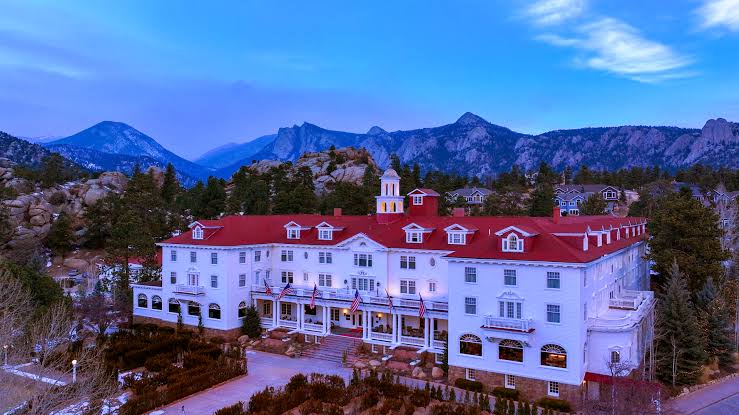
Surrounded by the Rocky Mountains in Estes Park, Colorado, the Stanley Hotel looks elegant and peaceful from the outside. Yet it has become famous among horror fans for its connection to one of the best-known stories in modern supernatural fiction.
The hotel opened in 1909 and became internationally famous in part because it inspired author Stephen King. During a stay at the hotel in 1974, King had an experience that helped inspire his bestselling horror novel The Shining.
The novel tells the fictional story of a family staying at an isolated hotel where terrifying events unfold. Its popularity helped connect the Stanley Hotel with stories of haunted rooms, unexplained noises, and ghostly encounters.
The hotel has embraced its association with horror culture and attracts visitors who want to experience its distinctive atmosphere. However, its literary connection is a documented fact, while claims of actual hauntings remain unverified.
Why it fascinates people: The Stanley Hotel demonstrates how a real location can inspire a fictional horror story that continues to shape how people see the building.
6. Port Arthur Historic Site, Australia
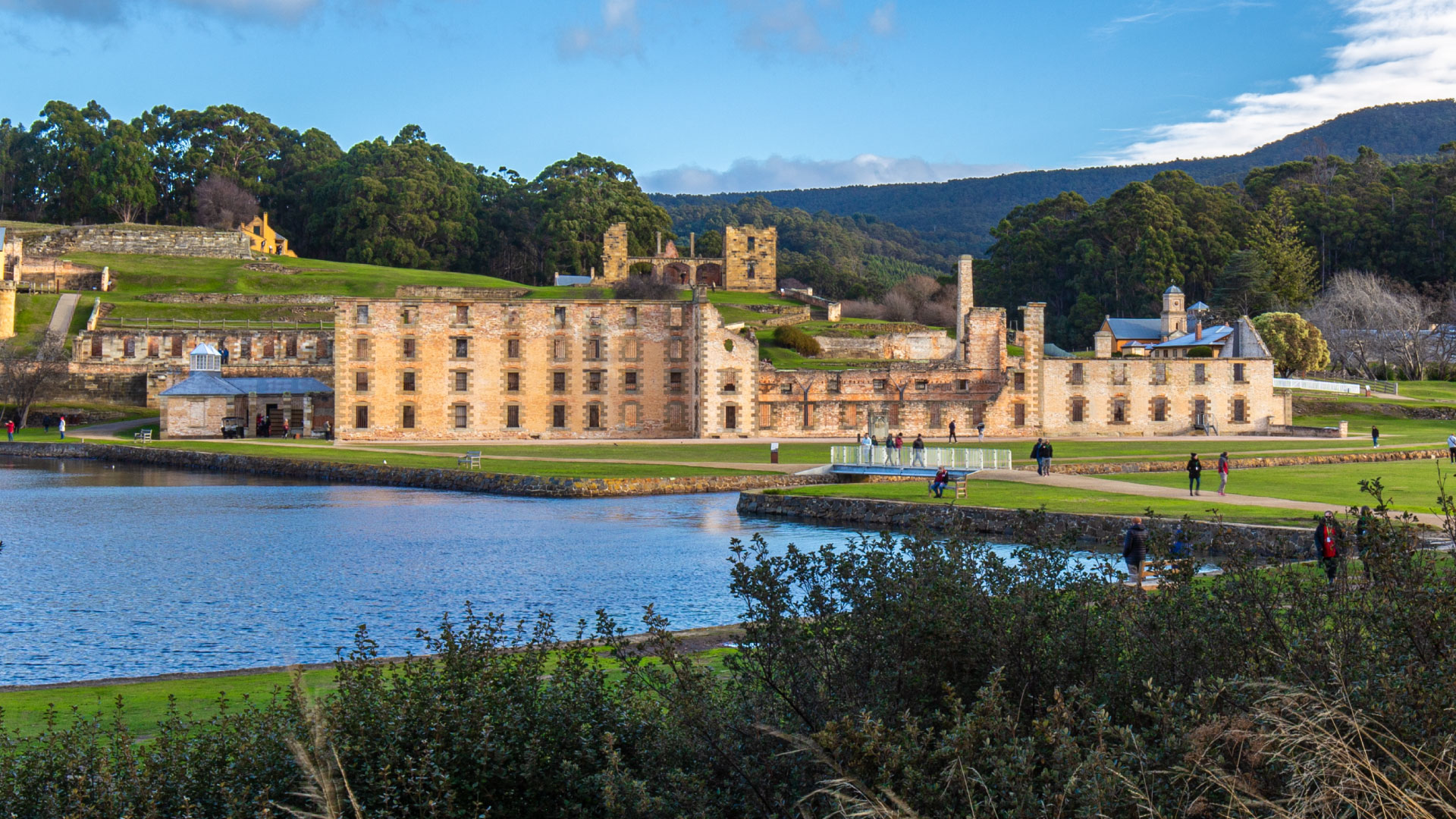
On Tasmania's Tasman Peninsula in Australia, Port Arthur is a historic settlement surrounded by beautiful landscapes. Behind its peaceful scenery lies a difficult chapter in Australia's colonial history.
Established in the 1830s as a penal settlement, Port Arthur housed convicts transported to Australia. The isolated location and harsh conditions made it a feared destination for many prisoners.
Today, the remaining buildings, ruins, and grounds preserve the history of the settlement. Visitors can learn about the lives of convicts and the broader history of Australia's penal system.
Port Arthur is also associated with ghost stories and reports of unexplained experiences. Its old buildings and tragic past have helped establish its reputation as one of Australia's most atmospheric historic locations.
Still, its haunted reputation is based on stories and personal accounts, not conclusive evidence of supernatural activity.
Why it fascinates people: Port Arthur combines striking scenery with a deeply significant history, reminding visitors that the real past can be just as haunting as a fictional ghost story.
7. Poveglia Island, Italy
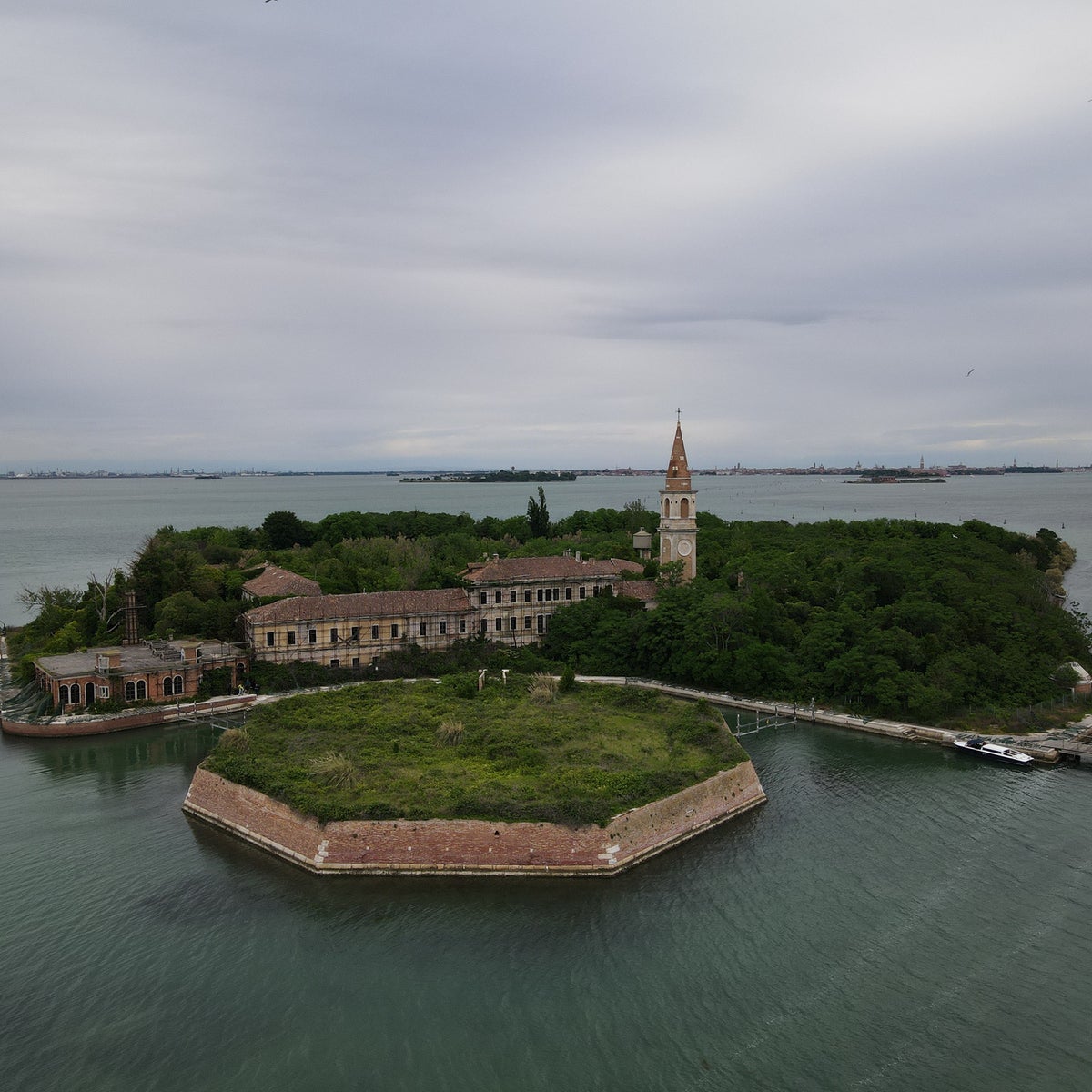
In the Venetian Lagoon near Venice, Italy, lies Poveglia Island, a place surrounded by dark legends and a long history of isolation.
The island is widely associated with quarantine measures during outbreaks of disease, including plague. It was also used for other institutional purposes, and its abandoned buildings have helped fuel stories about its past.
Over time, legends developed about restless spirits, strange sounds, and disturbing events on the island. Some popular stories claim that its history makes it one of the most haunted places on Earth, but many of the dramatic details repeated online are difficult to verify.
Poveglia's abandoned appearance and association with disease have made it a favourite subject of paranormal stories. Nevertheless, its reputation should not be confused with proof that ghosts exist.
Access to the island may be restricted, so it should not be treated as an ordinary tourist destination.
Why it fascinates people: Poveglia combines an isolated setting, a complex history, and layers of folklore that have made it one of the world's most talked-about supposedly haunted islands.
Conclusion: The Real Stories Behind Haunted Places
From the ancient walls of Edinburgh Castle to the silent tunnels beneath Paris, these seven places reveal how history and mystery often become intertwined.
Their haunted reputations come from different sources: tragic historical events, local traditions, personal accounts, and stories repeated over generations. Some details are well documented, while others remain legends.
Whether you believe in ghosts or prefer scientific explanations, these locations offer something fascinating to explore. They remind us that history is not always made up of kings, battles, and famous achievements. It also contains suffering, unanswered questions, and stories that people continue to tell long after the events themselves have passed.
Perhaps that is the real reason haunted places continue to attract our attention. They invite us to look at familiar history from a different perspective and ask a question that never seems to disappear: why do certain places leave such a lasting impression on the human imagination?






Comments 0
Sign in to join the conversation.
No comments yet. Be the first to say something.