

Your Brain Is Being Hijacked Daily: The Hidden Sugar–Dopamine Loop That’s Quietly Rewiring Your Mind
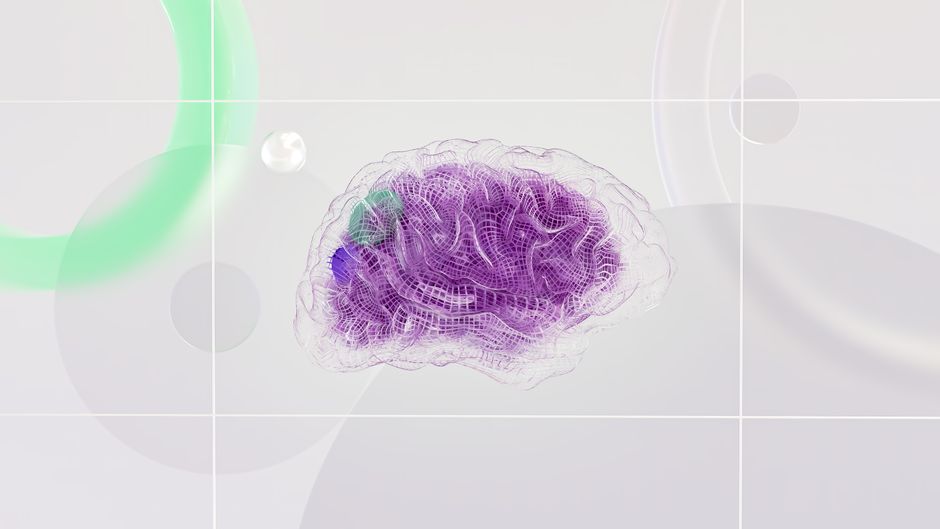
Introduction
What if the biggest threat to your focus, mood, and mental clarity isn’t stress, social media, or lack of sleep—but something hiding in your everyday diet?
Sugar.
Not just the obvious kind in desserts, but the hidden sugars in sauces, breads, drinks, and “healthy” snacks. Every day, without realizing it, you may be triggering a powerful neurological cycle known as the sugar–dopamine loop—a system that rewires your brain for cravings, impulsive decisions, and even mild addiction.
This isn’t about willpower. It’s about biology.
In this deep dive, we’ll uncover how sugar manipulates your brain, why it’s so hard to resist, and how this silent loop is shaping your behavior, productivity, and long-term mental health.
H2: What Is the Sugar–Dopamine Loop?
H3: Understanding Dopamine: The Brain’s Reward Currency
Dopamine is a neurotransmitter often labeled as the “feel-good chemical,” but that’s only partially true. It’s more accurate to call dopamine the motivation and reward signal.
It tells your brain:
“This feels good”
“Do this again”
“This is important for survival”
Whenever you eat something sweet, your brain releases dopamine—reinforcing the behavior.
H3: How Sugar Hacks This System
In nature, sugar is rare and valuable (think fruits). Your brain evolved to reward you for finding it. But today, sugar is everywhere—and in unnatural concentrations.
When you consume high amounts of sugar:
Dopamine spikes rapidly
Your brain registers it as a high-value reward
You develop a craving for repetition
Over time, this creates a feedback loop:
Sugar → Dopamine → Craving → More Sugar
This is the sugar–dopamine loop.
H2: Why Sugar Feels Addictive (Even If You Don’t Notice It)
H3: The Tolerance Effect
Just like other addictive substances, repeated sugar intake leads to tolerance.
The same amount of sugar gives less satisfaction
You need more sugar to feel the same “reward”
Cravings become stronger and more frequent
H3: Withdrawal Symptoms Are Real
Cutting sugar suddenly can trigger:
Headaches
Irritability
Brain fog
Low energy
Mood swings
These symptoms reinforce the cycle, pushing you back toward sugar for relief.
H3: Your Brain Starts Prioritizing Sugar
Over time, your brain begins to:
Seek sugar automatically
Ignore healthier rewards (like exercise or productivity)
Associate sugar with comfort and relief
H2: Hidden Sources of Sugar You’re Consuming Daily
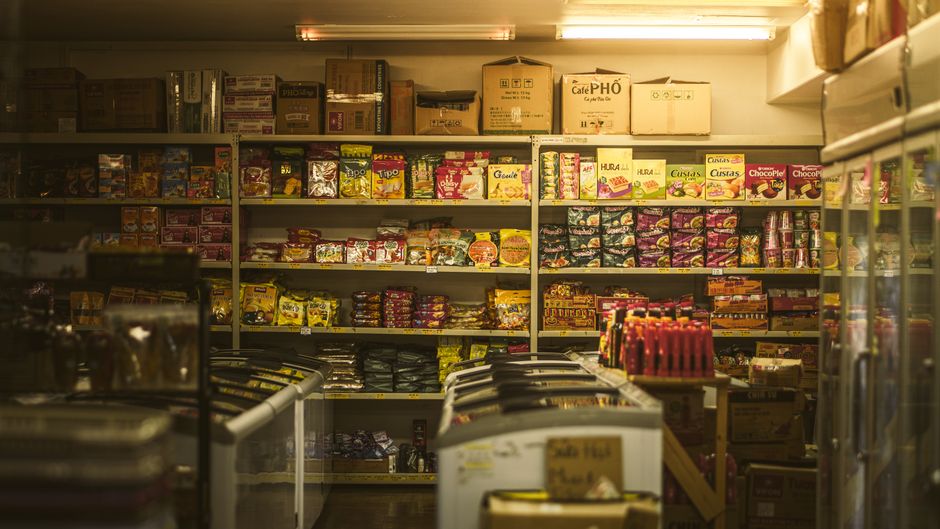
Most people think they don’t eat “that much sugar.” But hidden sugars are everywhere.
H3: Common Hidden Sugar Traps
Packaged juices and soft drinks
Flavored yogurts
Breakfast cereals
White bread and buns
Ketchup, sauces, and dressings
Energy drinks
Protein bars labeled “healthy”
H3: Why This Matters
These foods:
Spike blood sugar quickly
Trigger dopamine repeatedly
Keep your brain in a constant craving state
Even small doses, consumed frequently, maintain the loop.
H2: The Neurological Damage: How Sugar Rewires Your Brain
H3: Reduced Dopamine Sensitivity
Over time, your brain adapts by reducing dopamine receptors.
This means:
Less pleasure from everyday activities
Increased reliance on sugar for satisfaction
Lower motivation overall
H3: Impaired Decision-Making
High sugar intake affects the prefrontal cortex, the part of your brain responsible for:
Self-control
Focus
Decision-making
Result:
You become more impulsive
You struggle to resist cravings
You prioritize short-term rewards over long-term goals
H3: Memory and Learning Decline
Studies suggest excessive sugar consumption can:
Reduce memory performance
Impair learning ability
Increase brain inflammation
H2: The Emotional Trap: Sugar and Mood Swings

H3: The Blood Sugar Rollercoaster
After consuming sugar:
Blood sugar spikes
Insulin kicks in
Blood sugar crashes
This leads to:
Sudden fatigue
Irritability
Anxiety
H3: Emotional Dependence on Sugar
You may start using sugar as:
Stress relief
Comfort during sadness
A reward after hard work
This creates a dangerous psychological link:
Emotion → Sugar → Temporary Relief → Crash → Repeat
H2: How the Sugar Loop Destroys Focus and Productivity
H3: Short-Term Boost, Long-Term Crash
Sugar gives a quick energy spike—but it’s short-lived.
Afterward:
Energy drops sharply
Mental clarity fades
Focus becomes difficult
H3: Constant Craving Interruptions
Your brain, conditioned by dopamine spikes, keeps demanding:
“Just one more snack”
“Something sweet”
“A quick treat”
This leads to:
Frequent distractions
Reduced deep work capacity
Lower overall productivity
H2: The Link Between Sugar and Mental Health

H3: Anxiety and Sugar
High sugar intake is linked to:
Increased anxiety levels
Heightened stress responses
Why?
Blood sugar instability affects the nervous system
Dopamine imbalance disrupts emotional regulation
H3: Depression and Dopamine Burnout
When your dopamine system is overworked:
Natural rewards feel dull
Motivation decreases
You feel mentally drained
This can contribute to depressive symptoms over time.
H2: Breaking the Sugar–Dopamine Loop (Step-by-Step)
The good news? Your brain is adaptable. You can reverse this cycle.
H3: Step 1 – Reduce, Don’t Eliminate Instantly
Going “cold turkey” can backfire.
Instead:
Gradually reduce sugar intake
Replace sugary snacks with healthier options
H3: Step 2 – Stabilize Blood Sugar
Eat balanced meals that include:
Protein
Healthy fats
Fiber
This prevents spikes and crashes.
H3: Step 3 – Retrain Your Dopamine System
Replace sugar rewards with:
Exercise
Reading
Creative activities
Social interaction
These provide slower, healthier dopamine release.
H3: Step 4 – Fix Your Environment
Make smart choices easier:
Remove junk food from your home
Avoid grocery shopping when hungry
Keep healthy snacks visible
H3: Step 5 – Improve Sleep Quality
Lack of sleep increases sugar cravings.
Aim for:
7–9 hours of quality sleep
Consistent sleep schedule
H2: Smart Sugar Alternatives That Won’t Hijack Your Brain
H3: Natural Sweet Options
Fruits (whole, not juice)
Dates in moderation
Honey (limited use)
H3: Low-Glycemic Choices
Dark chocolate (70% or higher)
Nuts with natural sweetness
Greek yogurt with fruit
These provide satisfaction without extreme dopamine spikes.
H2: Signs Your Brain Is Already Hijacked
You may be stuck in the sugar–dopamine loop if you:
Crave sweets daily
Feel tired after eating
Struggle to focus without snacks
Eat sugar when stressed or bored
Feel unsatisfied after meals
Need sugar for a “quick boost”
Recognizing these signs is the first step toward change.
H2: Long-Term Benefits of Breaking the Loop
Once you regain control, the benefits are powerful.
H3: Mental Benefits
Improved focus and clarity
Better memory
Stable mood
Reduced anxiety
H3: Physical Benefits
Balanced energy levels
Better metabolism
Reduced risk of chronic diseases
H3: Emotional Benefits
Less dependency on food for comfort
Increased self-control
Greater overall well-being
H2: Frequently Asked Questions (FAQs)
H3: Is sugar really addictive?
While not identical to drugs, sugar activates similar reward pathways in the brain, making it behaviorally addictive for many people.
H3: How long does it take to break the sugar habit?
Most people start noticing improvements within 7–14 days, but full reset can take several weeks depending on habits.
H3: Can I still eat sugar occasionally?
Yes. The goal is control, not elimination. Occasional intake won’t harm if your overall habits are balanced.
H3: Are artificial sweeteners better?
They can reduce calorie intake but may still trigger cravings in some people. Moderation is key.
H3: Why do I crave sugar at night?
Common reasons include:
Low energy from the day
Emotional fatigue
Habitual behavior
Conclusion
Your brain isn’t weak—it’s being hijacked.
The sugar–dopamine loop is a silent, powerful system shaping your cravings, focus, and emotional stability every single day. The more you feed it, the stronger it becomes. But the moment you understand it, you take back control.
This isn’t about quitting sugar forever. It’s about breaking the cycle that keeps you dependent on it.
Start small. Stay consistent. And remember:
Every time you choose balance over impulse, you’re not just improving your diet—you’re rewiring your brain for a stronger, sharper, and more controlled version of yourself.
Frequently Asked Questions (FAQs)
1. Is sugar really addictive for the brain?
Yes—while it’s not classified the same as drugs, sugar strongly activates the brain’s reward system. It triggers dopamine release, which reinforces cravings and repeated behavior. Over time, this can feel very similar to addiction.
2. How does the sugar–dopamine loop actually work?
When you consume sugar, your brain releases dopamine, creating a feeling of pleasure. This encourages you to repeat the behavior. Frequent sugar intake strengthens this loop, making cravings more intense and automatic.
3. How long does it take to break sugar cravings?
Most people notice reduced cravings within 7–14 days of lowering sugar intake. However, fully resetting your habits and brain response may take a few weeks depending on consistency and lifestyle.
4. Can I eat sugar occasionally without harming my brain?
Yes. Occasional sugar consumption is generally fine if your overall diet is balanced. The problem arises with frequent, high intake, which keeps the dopamine loop active.
5. Are artificial sweeteners a better alternative?
Artificial sweeteners can reduce calorie intake, but they may still trigger cravings in some individuals. They don’t always break the psychological habit of seeking sweetness, so moderation is important.
6. Why do I crave sugar more at night?
Nighttime cravings are often caused by:
Low energy after a long day
Emotional stress or fatigue
Habitual eating patterns
Your brain seeks a quick dopamine boost, making sugar especially tempting in the evening.








Comments 0
Sign in to join the conversation.
No comments yet. Be the first to say something.