

Why Some People Age Slowly: The Science Behind Biological Age

Introduction
Have you ever met someone who looks 40 but is actually 60? Or someone in their 30s who seems much older than their age? These surprising differences highlight an important concept scientists now study closely: biological age.
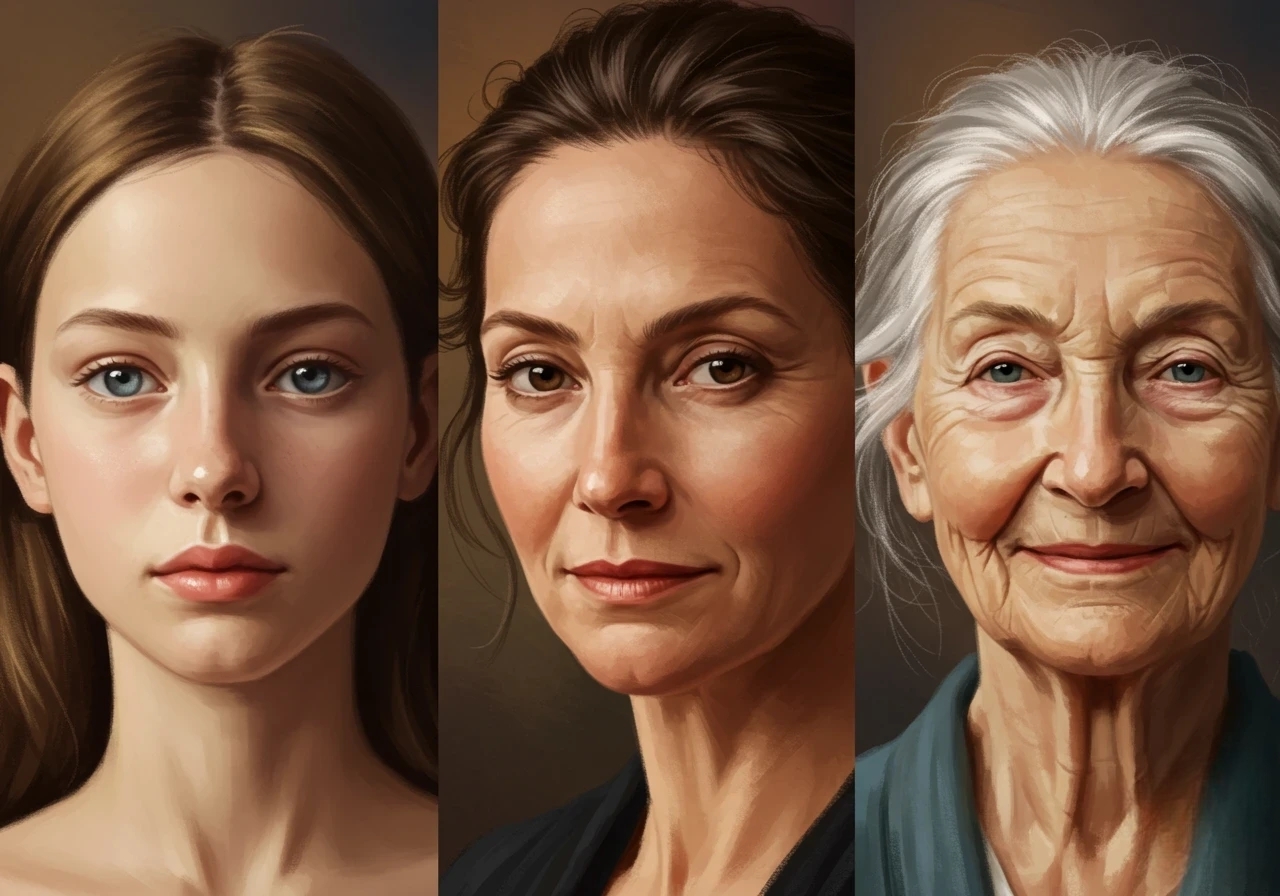
Unlike chronological age—the number of years you’ve been alive—biological age reflects how well your body is actually functioning at the cellular and molecular level. Two people born on the same day can age very differently depending on genetics, lifestyle, environment, and even stress levels.
In recent years, advances in biotechnology and aging research have revealed why some individuals age more slowly than others. Scientists are discovering measurable markers in our cells that show whether our bodies are aging faster or slower than expected.
Understanding biological age isn’t just about curiosity—it could change how we approach health, disease prevention, and longevity.
In this article, we will explore:
What biological age really means
The science behind slow aging
Key factors that influence how quickly we age
The role of genetics and lifestyle
New technologies that measure biological age
Practical ways to slow the aging process
Let’s dive into the fascinating science of aging.
Understanding Biological Age vs Chronological Age
What Is Chronological Age?
Chronological age simply measures how many years have passed since your birth.
For example:
If you were born in 1990, your chronological age in 2026 is 36.
But this number doesn’t necessarily reflect how healthy or youthful your body truly is.
Two people aged 50 can have drastically different health profiles.
One might:
Run marathons
Have strong muscles
Maintain sharp cognitive abilities
While another might struggle with:
Chronic disease
Low energy
Reduced mobility
This difference leads scientists to measure biological age.
What Is Biological Age?
Biological age refers to how old your body appears at a cellular and physiological level.
It considers factors such as:
Cellular damage
DNA changes
Organ health
Metabolism
Inflammation levels
If your biological age is lower than your chronological age, your body is aging more slowly.
If it’s higher, your body may be aging faster.
The Cellular Science of Aging
Aging happens because of gradual changes in our cells and tissues. Over time, biological systems experience damage and reduced repair capacity.
Several biological mechanisms drive aging.
1. DNA Damage
Our DNA carries instructions that keep our bodies functioning.
However, DNA constantly experiences damage from:
Pollution
UV radiation
Smoking
Poor diet
Natural cellular processes
Although the body repairs much of this damage, errors accumulate over time, contributing to aging.
2. Telomere Shortening
Telomeres are protective caps at the ends of chromosomes.
Think of them as the plastic tips on shoelaces that prevent fraying.
Every time a cell divides:
Telomeres become shorter.
When they become too short:
Cells stop dividing
Tissue repair slows
Aging accelerates
People who age slowly often maintain longer telomeres.
3. Cellular Senescence
Sometimes damaged cells stop dividing but refuse to die.
These cells are called senescent cells, also known as "zombie cells."
They:
Release inflammatory chemicals
Damage surrounding tissues
Contribute to aging diseases
Accumulation of these cells is linked to:
Arthritis
Heart disease
Neurodegeneration
4. Mitochondrial Decline
Mitochondria are the power plants of our cells.
They produce energy that fuels every biological process.

With age:
Mitochondria become less efficient
Energy production declines
Cells accumulate damage
Maintaining healthy mitochondria is crucial for slower aging.
Why Some People Age More Slowly
Not everyone ages at the same speed. Scientists believe several key factors explain the difference.
1. Genetics
Genetics plays a major role in longevity.
Some individuals inherit genes that:
Repair DNA more efficiently
Protect against inflammation
Maintain stronger immune systems
Families with long-lived members often share genetic traits associated with slower aging.
However, genetics explains only about 20–30% of lifespan differences.
Lifestyle still plays a bigger role.
2. Healthy Lifestyle Habits
People who age slowly tend to follow consistent health habits.
Key habits include:
Regular physical activity
Balanced nutrition
Quality sleep
Low stress levels
Avoidance of smoking and excessive alcohol
These behaviors protect cells from damage.
3. Low Chronic Inflammation
Chronic inflammation is one of the biggest drivers of aging.
Scientists call it “inflammaging.”
Inflammation damages tissues and increases risk for:
Heart disease
Diabetes
Alzheimer's disease
Cancer
People who age slowly usually maintain lower inflammation levels.
This often comes from:
Healthy diet
Exercise
Stress management
4. Strong Metabolic Health
Metabolic health affects aging speed.
Key indicators include:
Stable blood sugar
Healthy cholesterol levels
Balanced hormones
Efficient energy metabolism
Poor metabolic health accelerates aging and disease.
Lifestyle Factors That Influence Biological Age
1. Diet and Nutrition
Food is one of the most powerful tools affecting biological aging.
Certain diets support cellular health and longevity.
Anti-aging foods include:
Fruits and vegetables rich in antioxidants
Healthy fats such as olive oil and nuts
Whole grains
Lean proteins
Omega-3 fatty acids
These nutrients reduce oxidative stress and inflammation.
Foods That Accelerate Aging
Some foods may increase biological aging.
Examples include:
Highly processed foods
Excess sugar
Trans fats
Refined carbohydrates
These foods contribute to metabolic dysfunction.
2. Physical Activity
Exercise is one of the most powerful anti-aging interventions.
Regular physical activity helps:
Maintain muscle mass
Improve cardiovascular health
Boost mitochondrial function
Reduce inflammation
People who exercise regularly often show younger biological age markers.
Recommended Physical Activity
Experts recommend:
150 minutes of moderate exercise per week
or
75 minutes of intense activity
Plus strength training at least twice weekly.
3. Sleep Quality
Sleep is essential for cellular repair.
During sleep, the body:
Repairs DNA
Clears toxins from the brain
Regulates hormones
Restores immune function
Poor sleep accelerates biological aging.
Studies show people who sleep less than 6 hours regularly may experience faster aging.
4. Stress and Emotional Health
Chronic stress increases levels of the hormone cortisol.
High cortisol can:
Damage DNA
Shorten telomeres
Increase inflammation
People who practice stress management techniques often age more slowly.
Effective methods include:
Meditation
Deep breathing
Yoga
Time in nature
Social connections
The Role of Epigenetics in Aging
What Is Epigenetics?
Epigenetics refers to changes in how genes behave without altering the DNA sequence itself.
Environmental factors can switch genes on or off.
These changes influence aging and disease risk.
The Epigenetic Clock
Scientists developed tools called epigenetic clocks to measure biological age.

These clocks analyze chemical markers on DNA known as DNA methylation.
They can estimate:
Biological age
Aging speed
Disease risk
In some cases, epigenetic age can differ from chronological age by 10–20 years.
Modern Tests That Measure Biological Age
Technology now allows individuals to measure their biological age.
These tests examine biomarkers such as:
DNA methylation
Blood markers
Telomere length
Inflammation indicators
Some companies offer biological age testing through blood or saliva samples.
Although still evolving, these tools provide valuable insights into personal health.
Longevity Research and the Future of Aging
Scientists around the world are working to understand how aging works and how it might be slowed.
Emerging areas of research include:
Cellular rejuvenation
Senolytic drugs
Stem cell therapies
Gene editing
Artificial intelligence in longevity science
These innovations may eventually help humans extend healthy lifespan.
Senolytics: Removing Zombie Cells
Senolytic drugs aim to remove senescent cells from the body.
Early research suggests they could:
Reduce inflammation
Improve tissue repair
Slow aging-related diseases
Although still experimental, they represent an exciting frontier.
Cellular Reprogramming
Another promising area involves cellular reprogramming.
Scientists have discovered ways to partially reset cellular aging.
In laboratory experiments, researchers have successfully reversed some aging markers in cells and animals.
Human applications are still being studied.
The World's Longest-Living Populations
Researchers study regions where people live unusually long lives.
These regions are called Blue Zones.
Common traits among these populations include:
Plant-based diets
Regular physical movement
Strong community relationships
Low stress lifestyles
Meaningful life purpose
These lifestyle patterns may help slow biological aging.
Signs Your Biological Age May Be Younger
Some indicators that your biological age may be lower than your chronological age include:
High energy levels
Strong immune system
Healthy blood pressure
Good cognitive function
Fast recovery from illness
Healthy body composition
However, laboratory tests are needed for precise measurement.
Practical Ways to Slow Biological Aging
Although aging cannot be stopped completely, science shows it can be slowed.
Here are evidence-based strategies.
1. Eat a Longevity-Focused Diet
Focus on:
Vegetables and fruits
Whole foods
Healthy fats
Fiber-rich foods
Avoid excessive processed foods.
2. Exercise Regularly
Combine:
Cardiovascular training
Strength training
Flexibility exercises
Physical activity protects nearly every biological system.
3. Prioritize Sleep
Aim for:
7–9 hours of sleep per night
Consistent sleep schedule
Reduced screen time before bed
4. Manage Stress
Practice daily stress-reduction techniques.
These may include:
Meditation
Mindfulness
Journaling
Physical activity
5. Maintain Social Connections
Research shows strong social relationships are linked with longer life.
Human connection improves both mental and physical health.
Common Myths About Aging
Myth 1: Aging Is Entirely Genetic
Reality: Lifestyle factors influence aging far more than genes alone.
Myth 2: Aging Cannot Be Changed
Modern research shows aging speed can be modified through healthy behaviors.
Myth 3: Only Older Adults Should Care About Aging
The aging process begins early in life.
Healthy habits in your 20s and 30s can significantly affect aging later.
The Future of Biological Age Research
Scientists believe biological age could become a key health metric in the future.
Doctors may eventually use biological age to:
Predict disease risk
Design personalized treatments
Monitor lifestyle interventions
Improve preventive medicine
Instead of treating diseases after they appear, medicine may focus on slowing aging itself.
This approach could revolutionize healthcare.
Conclusion
Aging is far more complex than simply counting years.
Biological age provides a deeper understanding of how our bodies truly change over time.
Research shows that aging speed depends on a combination of:
Genetics
Lifestyle
Environment
Cellular health
While we cannot stop time, scientific evidence strongly suggests we can influence how fast our bodies age.
Healthy habits—such as balanced nutrition, regular exercise, quality sleep, and stress management—can help maintain a younger biological age.
As research advances, new technologies and therapies may further transform our ability to slow aging and extend healthy lifespan.
The science of biological age reminds us that aging is not just about getting older—it’s about how well we take care of our bodies throughout life.

You must be logged in to post a comment.