


Why You Should Never Skip Breakfast In The Morning? 5 Dangerous Effects
Breakfast is often called the most important meal of the day, and it is absolutely true. After 7 to 8 hours of sleep, our body is fasting and needs energy to start the day. Yet, in modern life, many women, students, and office workers skip breakfast due to a busy schedule, waking up late, or the misconception that skipping it will help them lose weight.
But according to doctors and scientific research, skipping breakfast does not make you slim; it makes you weaker, tired, and sick. A study published in the Journal of the American College of Cardiology found that people who regularly skip breakfast have a 27% higher risk of heart disease, diabetes, and poor mental performance.
In this article, we will explain in detail the 5 dangerous effects of skipping morning breakfast and what a healthy breakfast should include to keep you active, beautiful, and energetic all day.
5 Dangerous Effects of Skipping Breakfast
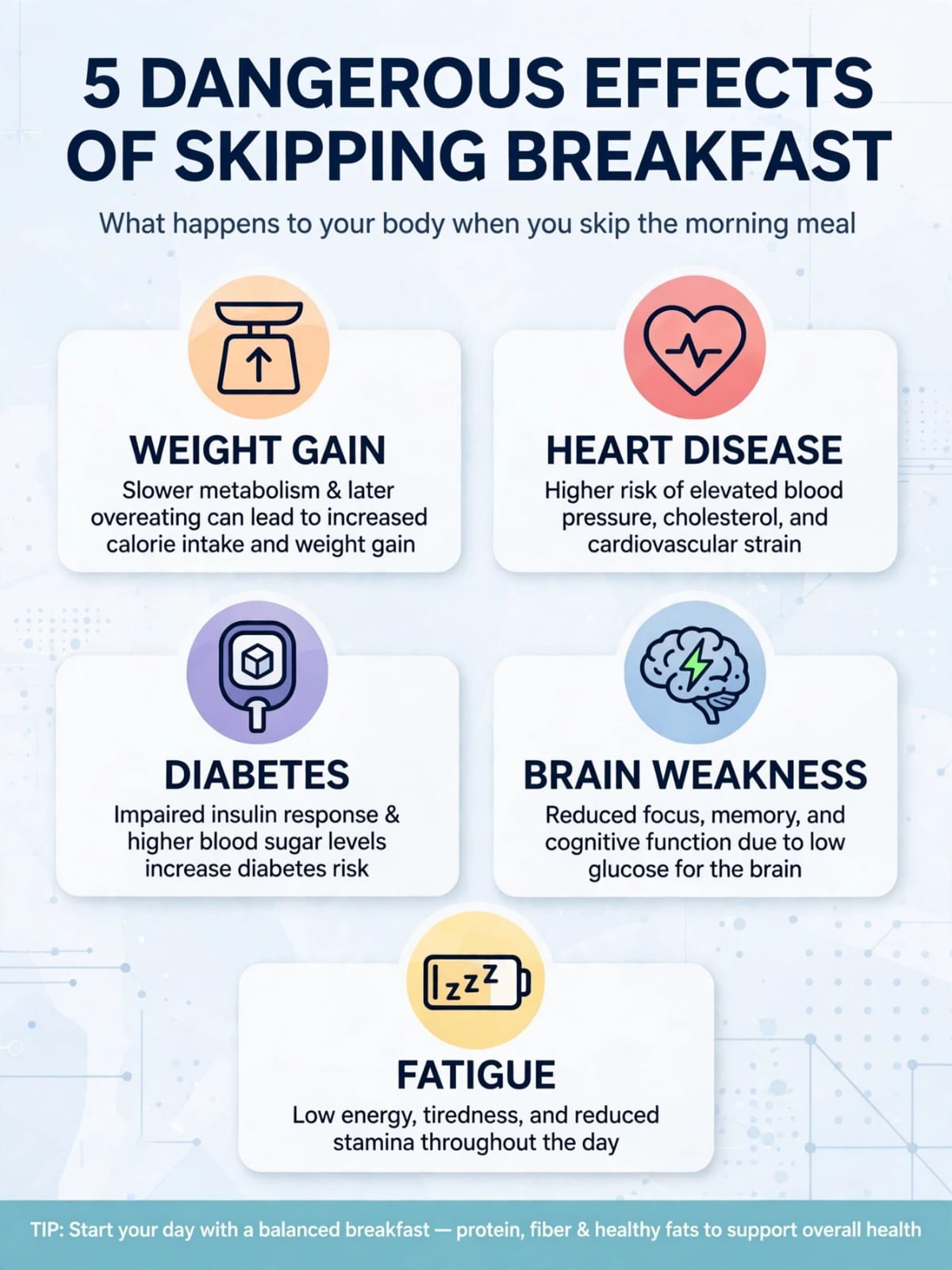
1. It Causes Weight Gain, Not Weight Loss
This is the biggest myth. Many people think if they skip breakfast, they will eat fewer calories and lose weight. The reality is the opposite. When you skip breakfast, your metabolism becomes slow. Your body goes into starvation mode and starts storing fat.
Moreover, you feel extremely hungry by lunchtime and end up overeating, eating junk food, and consuming more calories than you saved in the morning. Research shows that people who skip breakfast are more likely to be obese. A healthy breakfast with protein and fiber keeps you full for a long time and prevents unhealthy snacking. It controls your hunger hormone Ghrelin.
2. Increased Risk of Heart Disease
Your heart health is directly connected to your morning meal. When you skip breakfast, it can lead to increased blood pressure, higher cholesterol levels, and increased blood sugar. These are all major risk factors for heart disease.
A study of over 6,000 American adults found that those who never ate breakfast had a significantly higher risk of death from heart-related causes. Eating breakfast helps to regulate your blood sugar and prevents your blood from becoming sticky, which reduces the risk of heart attacks and strokes. A simple bowl of oats with fruits can protect your heart for years. People who eat breakfast also tend to have healthier lifestyles overall.
3. Higher Risk of Type 2 Diabetes
Skipping breakfast disturbs your insulin levels. When you don't eat in the morning, your blood sugar drops, and then when you finally eat a large meal at lunch, your blood sugar spikes suddenly. This constant fluctuation can lead to insulin resistance, which is the main cause of Type 2 diabetes.
Harvard University research involving 46,000 women showed that women who regularly skipped breakfast had a 20% higher risk of developing Type 2 diabetes compared to those who ate breakfast daily. To keep your blood sugar stable, never miss your morning meal. This is even more important for women with PCOS.
4. Brain Weakness, Poor Memory, and Bad Mood
Your brain needs glucose to function. After a night-long fast, your brain has low fuel in the morning. If you don't provide it with breakfast, you will experience brain fog, poor concentration, weak memory, and difficulty in learning.
This is especially harmful for students and office workers. You will feel irritated, your mood will be bad, and you will not be able to focus on your studies or work. Many people who skip breakfast report feeling anxious and depressed. A breakfast rich in eggs, nuts, and milk provides choline and protein that improves your focus, memory, and makes your mood happy and positive.
5. Constant Fatigue and Low Energy
How can a car run without fuel? Similarly, your body cannot run without breakfast. Skipping breakfast means you have zero energy to start your day. You will feel tired, lazy, and sleepy the whole day. Your physical performance at the gym, in the office, or at college will decrease.
You may also suffer from headaches, dizziness, and acidity because your stomach remains empty for too long. A healthy breakfast gives you instant energy and keeps your stamina high until your next meal. Without it, your body starts breaking down muscles for energy.
What Should a Healthy Breakfast Include?
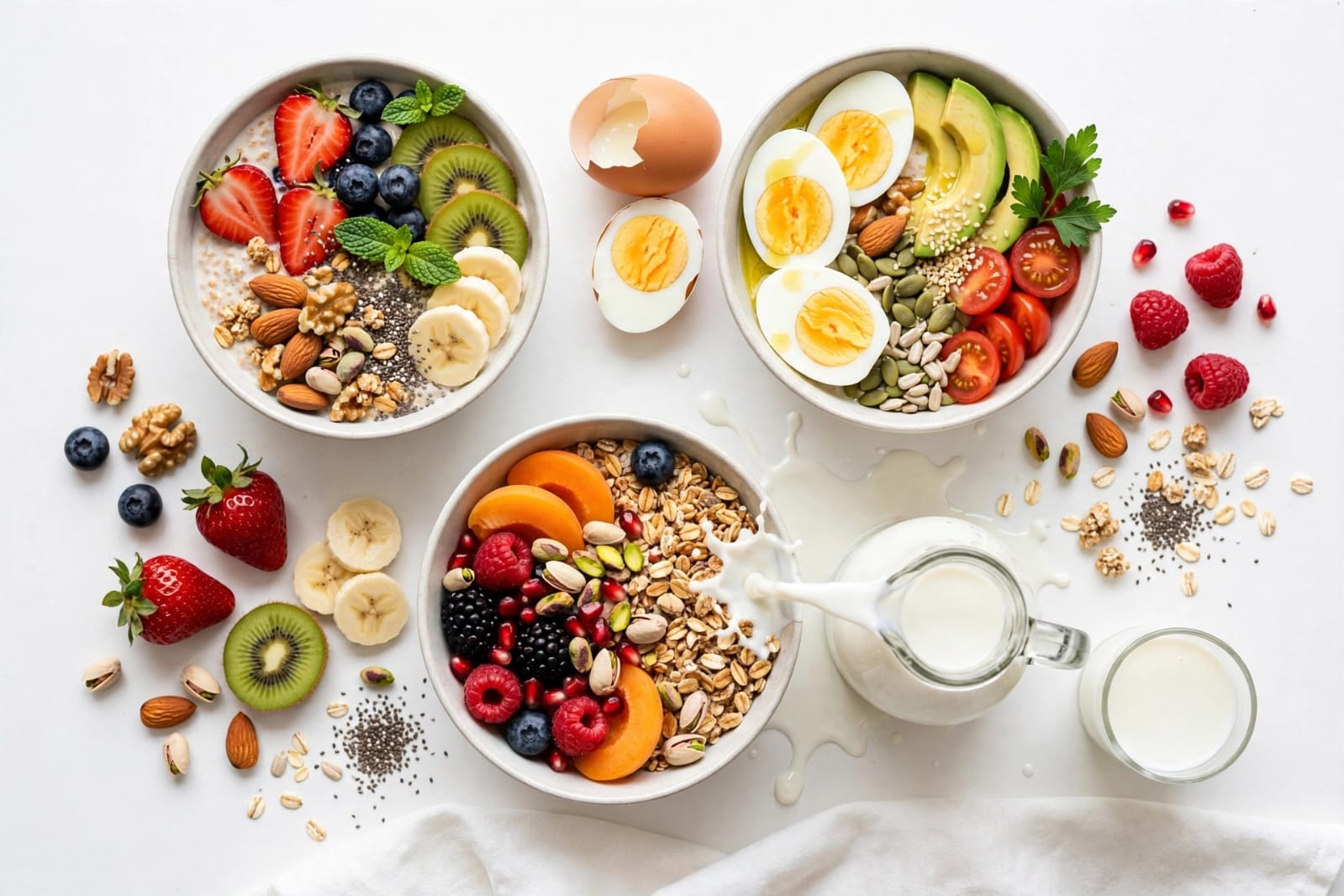
Now that you know why you should never skip breakfast, let's talk about what a perfect healthy breakfast looks like. It should be a balance of protein, fiber, healthy fats, and vitamins. A good breakfast should keep you full for at least 4 hours.
1 *Milk or Yogurt:* Provides calcium and protein for strong bones and is excellent for women.
2 *Oats / Dalia / Porridge:* Rich in fiber, which is excellent for your heart and digestion and helps in weight loss.
3*Fruits:* Banana, apple, berries, kiwi, and orange provide natural vitamins and energy and make your skin glow.
4 *Nuts:* Almonds, walnuts, and chia seeds give you healthy fats and improve brain health.
5*Eggs*A great source of high quality protein it keeps you full and builds muscle eat 1-2 boiled or omelet eggs
Avoid sugary cereals, white bread with jam, and packaged juices. Always choose natural and home-cooked items.
Common Mistakes People Make at Breakfast Time
Even if people eat breakfast, they make mistakes. Drinking only tea or coffee is not breakfast. Tea on an empty stomach causes acidity and ulcers. Eating leftover pizza or paratha with too much oil is also unhealthy. The best time to eat breakfast is within 1 hour of waking up, ideally between 7 AM to 9 AM. Don't drink water immediately after eating; wait for 30 minutes.
Conclusion
In short, breakfast is not just a meal; it is an investment in your health, your beauty, and your future. Skipping it to save 10 minutes in the morning can cost you your health, your energy, and your productivity. It leads to weight gain, heart disease, diabetes, brain weakness, and fatigue. So start your day with a healthy breakfast and stay active, fresh, and happy for your whole life. A simple breakfast with eggs, milk, bread, and fruits can give you full energy for the entire day and keep your mind sharp and positive.








Comments 0
Sign in to join the conversation.
No comments yet. Be the first to say something.