

 Why Do Students Feel Like Failures Even When They Try Their Best?
Introduction
Have you studied for hours, tried your best in an exam, and then questioned your abilities after seeing the result? You are not alone.
Student life is often described as exciting, yet many students quietly struggle with pressure and self-doubt. They work hard but feel unsuccessful when results do not match expectations.
Students sometimes confuse a disappointing outcome with being a disappointing person. One result cannot erase months of effort or prove that someone lacks potential.
Students need room to pursue ambitious goals while remembering that their identity is bigger than a score, a ranking, or a single decision made by an admissions committee.
1. The Pressure to Achieve Good Grades
For many students, grades become more than a measure of learning; they become a measure of personal worth. From an early age, students are encouraged to score highly, secure top positions, and make their families proud. Good results are celebrated, while lower marks can bring criticism, comparisons, or uncomfortable questions.
Encouragement can help, but constant pressure makes students believe anything less than success is unacceptable. A student may attend classes, revise, and practice regularly, yet focus only on disappointing marks and forget the effort behind them.
Anxiety, difficult questions, and careless mistakes can affect performance. Grades show where improvement is needed, but they cannot tell the whole story of a person's abilities.
2. The Problem With Comparing Ourselves to Others
Comparison can quickly turn another person's success into a reason to doubt ourselves. A student may feel confident about their preparation until a friend scores higher, finishes more chapters, or gets into a desired college. Suddenly, their own progress seems small.
Social media adds to this feeling. Students see awards and admission announcements but rarely the setbacks behind them. They compare everyday struggles with someone else's happiest moments.
Students have different learning styles, responsibilities, and circumstances. One person may understand a topic quickly, while another needs extra practice. There is no single timeline for success.
Instead of asking, “Why am I not doing as well as everyone else?” students can ask, “What have I learned, and what can I improve next?” Other people's achievements do not cancel out our own progress. We can celebrate someone else's success without using it as evidence against ourselves.
3. When Hard Work Does Not Bring Expected Results
One of the most frustrating experiences is working hard without getting the hoped-for result. Students may spend months preparing for an examination, only to feel sad and disappointed when the outcome falls short.
They may wonder whether they are capable or whether their dream is too far away. These questions hurt especially when they feel they have already given everything.
Effort improves the chances of success but cannot guarantee a result. A student may need a different strategy, more practice, better time management, or help with difficult concepts. Circumstances outside their control can also affect performance.
Learning from a setback does not mean pretending it does not hurt. It means looking honestly at what happened without turning a mistake into a judgment about the whole self. A disappointing result can show what needs to change; it does not prove that change is impossible.
4. The Fear of Disappointing Family
Many students feel pressure because they want to make their families proud. Parents may sacrifice time and money to provide opportunities, and students want to repay them through achievement. This comes from love, but it can become a burden.
After disappointing marks, a student may worry about explaining the result or seeing excitement turn into disappointment. Some feel guilty for struggling because they believe their family has done too much for them to fail.
But students are human beings, not machines built to produce perfect results. They need encouragement, understanding, and guidance when things do not go according to plan. Families can help by asking what support is needed instead of focusing only on what went wrong.
Education and emotional well-being both matter. Students should be able to discuss struggles without feeling one result has reduced their value. Support means facing problems together, not ignoring them.
5. How Repeated Disappointment Affects Confidence
Repeated setbacks can weaken confidence. Over time, thoughts such as “I am not intelligent enough” or “I will never succeed” may start to feel like facts.
These beliefs may stop students from attempting difficult questions or trying new strategies. They begin judging the future through the past.
Confidence does not mean expecting everything to go perfectly. It means believing skills can improve. Students can rebuild confidence by setting smaller goals, tracking progress, and noticing improvements.
Finishing a difficult chapter, understanding a confusing concept, or correcting a repeated mistake may not seem like a major achievement, but each step matters. Progress is not always dramatic. Sometimes it happens quietly through ordinary efforts that gradually make us more capable.
6. Learning to Ask for Help
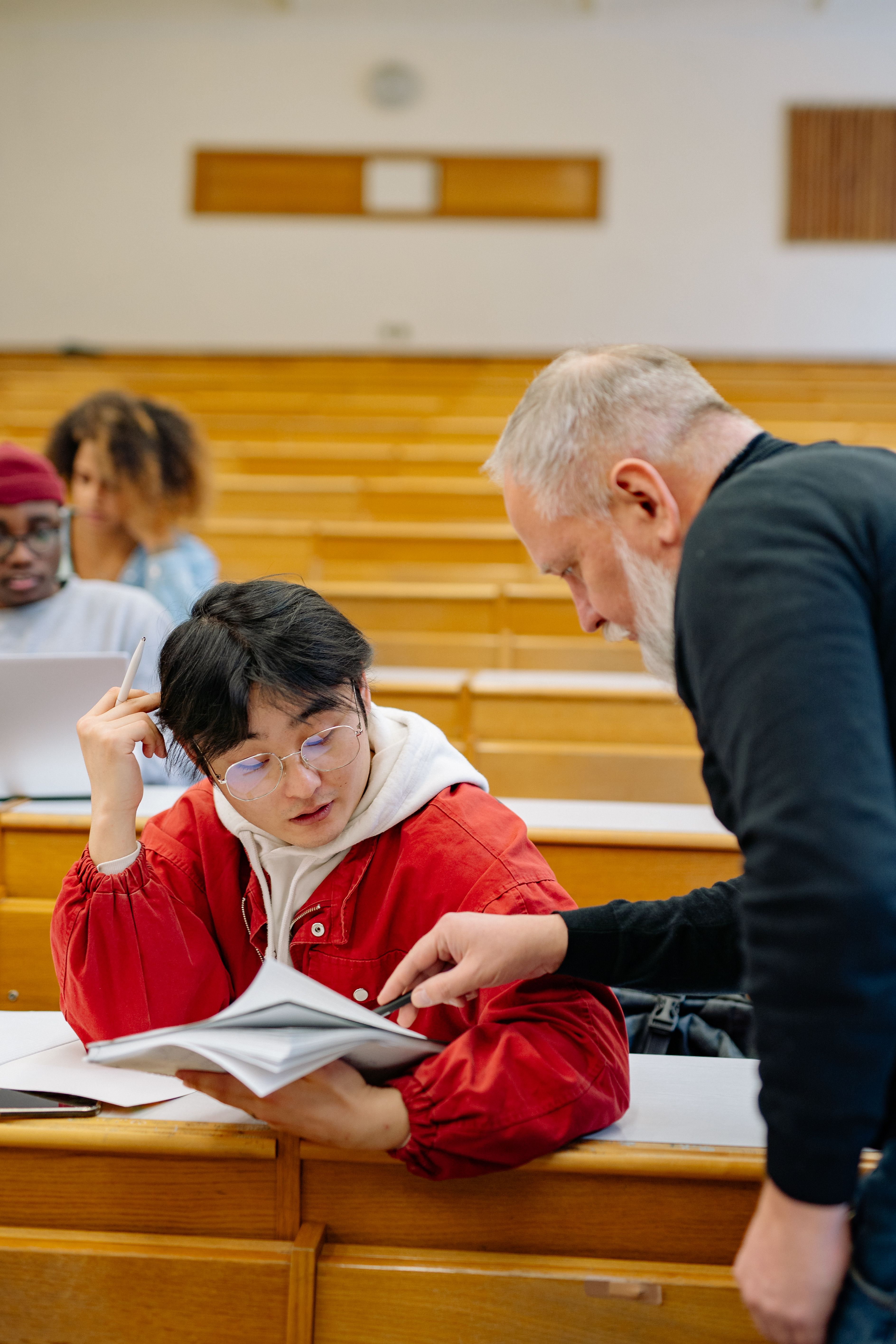
Some students think asking for help proves weakness. Actually, recognizing when support is needed is a useful skill. A struggling student might need a teacher's explanation, help organizing a schedule, or a trusted person who listens without criticism.
No one understands everything independently. Students can ask teachers, family, friends, or counselors for guidance. They can also review their habits: Are they memorizing without understanding, practicing enough, sleeping well, or losing study time to comparisons?
These questions help students identify practical changes without attacking their personal worth. Asking for help is not surrender. It is one way to keep moving forward.
7. Redefining Success
Academic achievements create opportunities and help students reach goals. Wanting high marks or admission to a dream college is reasonable. The problem begins when students believe these achievements are the only things that make them valuable.
Success also means learning from mistakes, becoming independent, and continuing after disappointment. These qualities may not appear on a result card, but they shape us.
Changing a strategy or reconsidering a goal does not automatically mean giving up. Sometimes persistence means trying a better approach; sometimes growth means exploring another path. A life cannot be fairly measured through one examination, one admission decision, or one difficult year.
Conclusion
Students who feel like failures need more than reminders to work harder. They need support and the understanding that disappointment is part of being human.
If you feel this way, allow yourself to be disappointed without deciding your future is ruined. Learn from mistakes and seek help when needed. Give yourself the patience you would offer a friend. You do not have to pretend failure does not hurt; take time to understand what happened and decide what comes next.
Trying your best cannot guarantee every outcome, but effort can still teach you something. If someone around you is struggling, remember that you may not know how hard they are trying. Kindness can make a difficult journey easier.
Your results describe one part of your journey, not your identity. You can struggle, learn, change your approach, and begin again. Your journey is not meaningless because it differs from someone else's. Sometimes, a student who feels behind is making progress nobody else can see.https://www.unicef.org/parenting/mental-healthhttps://www.who.int/news-room/fact-sheets/detail/adolescent-mental-health
 Caption

You must be logged in to post a comment.