


E-commerce and traditional retail represent two distinct business models for buying and selling goods and services. Both offer unique advantages and challenges. However, with the rise of digital technologies, e-commerce has grown rapidly, reshaping the landscape of commerce worldwide. This article delves into the core differences between e-commerce and traditional retail, exploring aspects such as accessibility, costs, customer experience, and scalability.
1. Sales Channel: Online vs. Physical Store
E-commerce:
E-commerce operates entirely online. Consumers access online stores via websites or mobile apps to browse and purchase products. This model enables businesses to reach customers beyond geographical boundaries.
Traditional Retail:
In traditional retail, businesses operate physical stores where customers interact with the products directly before making a purchase. The transaction takes place in-store, requiring the consumer to be physically present.
Key Differences:
- E-commerce is virtual and operates 24/7, while traditional retail is bound by physical store hours.
- E-commerce removes geographical limitations, enabling global sales.
2. Accessibility: Anytime, Anywhere vs. In-Store Visits
E-commerce:
One of the significant advantages of e-commerce is its accessibility. Customers can shop from anywhere at any time, provided they have an internet connection. This convenience is especially beneficial for those with busy schedules or those living in remote areas.
Traditional Retail:
Traditional retail stores are limited by operating hours and require customers to visit a specific location. The customer experience is tied to the physical store's opening hours, making it less flexible than e-commerce.
Key Differences:
- E-commerce operates around the clock, while traditional retail is limited to store hours.
- E-commerce allows shopping from any location, offering more convenience for the customer.
3. Overheads and Costs: Digital vs. Physical Infrastructure
E-commerce:
E-commerce typically has lower overhead costs compared to traditional retail. It does not require physical space, which reduces expenses related to rent, utilities, and in-store staff. However, it incurs costs related to website maintenance, digital marketing, and logistics.
Traditional Retail:
Traditional retail involves higher costs due to the need for physical store locations, rent, electricity, on-site staff, and maintenance. These costs can add up quickly, particularly for stores in prime locations.
Key Differences:
- E-commerce minimizes costs like rent and utilities.
- Traditional retail has higher fixed costs for maintaining physical infrastructure.
4. Customer Interaction: Virtual vs. In-Person Service
E-commerce:
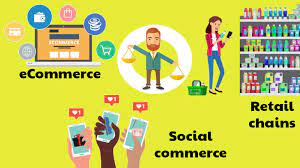
In e-commerce, customer interaction is primarily virtual. Consumers communicate with the store through live chat, email, or customer service portals. Feedback is often gathered through online reviews, helping businesses build a virtual rapport with customers.
Traditional Retail:
In traditional retail, customers interact directly with store staff, providing immediate, face-to-face assistance. This personal interaction can enhance the shopping experience and provide immediate resolutions to any issues or inquiries.
Key Differences:
- E-commerce relies on digital communication tools.
- Traditional retail offers personal, in-person assistance.
5. Reach and Scalability: Global vs. Local
E-commerce:
E-commerce provides businesses with the opportunity to scale rapidly and reach a global audience. There are no geographic restrictions, allowing companies to market and sell to anyone with internet access, regardless of location.
Traditional Retail:
Traditional retail is typically confined to local or regional markets unless the business operates as part of a large chain. Expanding beyond a specific area involves significant investment in infrastructure and logistics.
Key Differences:
- E-commerce has a broader reach, often operating globally.
- Traditional retail requires physical expansion to grow in new regions.
6. Inventory and Stock Management: Centralized vs. In-Store Stock
E-commerce:
E-commerce businesses often utilize centralized warehouses or dropshipping models for inventory management. This enables more efficient stock control and reduces the need to keep products at physical locations. The system is typically automated to ensure real-time updates.
Traditional Retail:
In traditional retail, stores must keep inventory on-site, which can lead to stock shortages, overstocking, and logistical challenges. Managing inventory in multiple locations can be complex and costly.
Key Differences:
- E-commerce benefits from centralized inventory management and dropshipping.
- Traditional retail requires in-store stock, which can result in inefficiencies.
7. Marketing Approach: Digital vs. Physical Promotions
E-commerce:
E-commerce businesses rely heavily on digital marketing strategies such as search engine optimization (SEO), social media ads, email marketing, and influencer partnerships to attract customers. These digital tools enable precise targeting and personalized marketing.
Traditional Retail:
In traditional retail, marketing efforts focus on physical ads, in-store promotions, and word-of-mouth. Businesses rely on print media, billboards, and local advertising to draw customers in, with fewer opportunities for targeted advertising.
Key Differences:
- E-commerce marketing is more data-driven and personalized.
- Traditional retail uses local and broad-reaching advertising.
8. Customer Experience: Virtual vs. Sensory Interaction
E-commerce:
The customer experience in e-commerce is often focused on convenience and ease of use. While the online experience is efficient, customers lack the ability to physically touch, try, or experience products before purchasing, which may affect their confidence in buying.
Traditional Retail:
Traditional retail allows customers to physically interact with products before making a decision. They can try on clothes, feel the quality of materials, or test items firsthand, leading to a more immersive shopping experience.
Key Differences:
- E-commerce provides convenience but lacks the sensory elements of shopping.
- Traditional retail offers tactile and sensory experiences, enhancing confidence in purchase decisions.
9. Speed of Transactions: Instant vs. Waiting
E-commerce:
Transactions in e-commerce are typically faster. With automated systems, customers can make purchases instantly. Payments are processed through secure digital gateways, reducing delays between purchase and confirmation.
Traditional Retail:
In traditional retail, transactions may take longer, as customers wait in line for checkout, especially in busy stores. This process is more manual, with staff inputting purchase details and handling payments.
Key Differences:
- E-commerce transactions are quick and automated.
- Traditional retail transactions may take longer due to physical checkout processes.
10. Returns and Exchanges: Convenient vs. In-Person Handling
E-commerce:
Returning products in e-commerce can be more time-consuming. Customers often need to ship items back and may have to deal with specific return policies or restocking fees. However, many e-commerce businesses offer easy returns as part of their customer service strategy.
Traditional Retail:
Returning items in-store is more immediate. Customers can exchange or refund products on the spot, which adds convenience. The process is often simpler and faster, but limited by store policies.
Key Differences:
- E-commerce requires shipping and can take longer for returns.
- Traditional retail allows for instant returns and exchanges.
Conclusion: The Evolving Retail Landscape
The differences between e-commerce and traditional retail illustrate how businesses are adapting to a more digital world. While e-commerce offers greater reach, lower overhead costs, and convenience, traditional retail still excels in providing a personal and sensory shopping experience. Many businesses are adopting hybrid models, combining the strengths of both to meet changing consumer expectations and remain competitive in a dynamic marketplace.






Comments 0
Sign in to join the conversation.
No comments yet. Be the first to say something.