

Polycystic ovary syndrome , better known as PCOS , is one of the common hormonal conditions affecting women of reproductive age. Despite how widespread it is, many people live with symptoms for years before getting diagnosis and many more never fully understand what is happening in their bodies .
What is PCOS ?
PCOS is a hormonal and metabolic condition in which the body produces higher than typical levels of androgens, often called male hormones, although all women naturally have some. This hormonal imbalance can disrupt ovulation, leading to irregular or missing periods, and can cause visible symptoms such as excess hair growth and acne.
The name is somewhat misleading. Many women with PCOS do not have true cysts on their ovaries. What appear on ultrasound as cysts are usually small, immature follicles that did not develop fully or release an egg. Some women with PCOS have ovaries that look completely normal on imaging.
Global estimates suggest that roughly 6 to 13 percent of women of reproductive age have PCOS, and a large share of them remain undiagnosed. It often begins in the teenage years or early twenties, though it can be recognized later in life.
Common Symptoms
PCOS looks different from one person to the next. Some women have several symptoms, while others have only one or two. The most common signs includes
.
Irregular periods: Cycles that are longer than 35 days, fewer than eight periods a year, or periods that stop altogether.
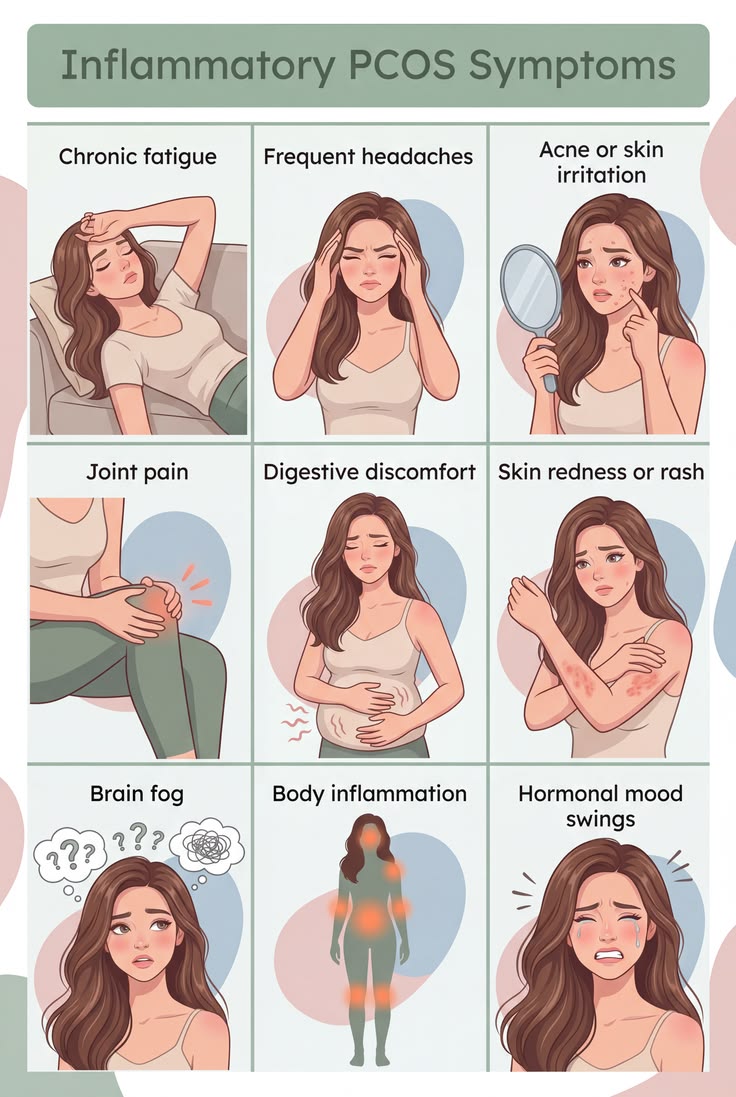
Excess androgen signs: Unwanted hair on the face, chin, chest, or abdomen hirsutism , persistent acne, and thinning hair on the scalp.
Difficulty getting pregnant: Because ovulation may be infrequent or absent, PCOS is one of the leading causes of ovulatory infertility.
Weight gain: Many women find weight easy to gain and hard to lose, particularly around the waist.
Skin changes: Dark, velvety patches of skin on the neck, armpits, or groin , which can signal insulin resistance, as well as skin tags.
Fatigue and mood changes: Tiredness, low mood, and anxiety are more common in women with PCOS.
It is important to remember that having one of these symptoms does not automatically mean someone has PCOS. Other conditions, including thyroid disorders and elevated prolactin, can cause similar problems, which is why a proper medical evaluation matters.
What Causes PCOS ?
The exact cause of PCOS is not fully understood, but researchers believe several factors work together.
Insulin resistance. Insulin is the hormone that helps cells use sugar for energy. In many women with PCOS, the body does not respond to insulin effectively, so the pancreas produces more of it. High insulin levels can prompt the ovaries to make more androgens, which interferes with ovulation. This is true for women of all body sizes, including those who are lean.
Hormonal imbalance. Women with PCOS often have elevated levels of luteinizing hormone (LH) relative to follicle stimulating hormone (FSH), which further disrupts the normal ovulation process.
Genetics. PCOS tends to run in families. If your mother or sister has it, your chances of developing it are higher.
Low grade inflammation. Some studies show that women with PCOS have mild chronic inflammation, which may encourage the ovaries to produce more androgens.
How Is PCOS Diagnosed ?
There is no single test for PCOS. Doctors typically diagnose it using what are known as the Rotterdam criteria, which require at least two of the following three features, after other causes have been ruled out:
Irregular or absent ovulation.
Clinical or biochemical signs of high androgens ,such as hirsutism, or elevated androgen levels on a blood test.
Polycystic appearing ovaries on ultrasound.
A typical evaluation includes a review of your medical history and menstrual patterns, a physical exam, blood tests to check hormone levels, blood sugar, and cholesterol, and sometimes a pelvic ultrasound. Current international guidelines also allow certain blood markers to support the ultrasound finding in some adults, and they advise caution when diagnosing teenagers close to the start of their periods, since irregular cycles are common in early adolescence.
Long Term Health Risk
PCOS is more than a reproductive condition. Because of its metabolic effects, it is linked with a higher risk of several long term health problems :
Type 2 diabetes and pre diabetes, driven by insulin resistance
Gestational diabetes and pregnancy complications, such as high blood pressure
Heart disease risk factors, including high cholesterol and high blood pressure
Endometrial hyperplasia and endometrial cancer, because infrequent periods allow the uterine lining to build up without being shed
Sleep apnea, which is more common in women with PCOS
Depression and anxiety, which affect a significant proportion of women with the condition
Fatty liver disease
The good news is that early diagnosis and consistent management can substantially lower these risks.
Treatment and Management
There is currently no cure for PCOS, but its symptoms can be managed effectively. Treatment is tailored to the individual, depending on whether the main concerns are irregular cycles, skin and hair symptoms, fertility, or metabolic health.
Lifestyle changes
Lifestyle is the foundation of PCOS care. For women who carry excess weight, losing even 5 to 10 percent of body weight can improve insulin sensitivity, restore more regular ovulation, and reduce androgen levels. A balanced eating pattern that emphasizes whole grains, vegetables, legumes, lean protein, and healthy fats, while limiting heavily processed foods and sugary drinks, tends to work well. No single PCOS diet is proven to be best, so the most effective approach is one that is sustainable for you.
Regular physical activity helps too. Both aerobic exercise and strength training improve insulin sensitivity, and even moderate activity such as brisk walking most days of the week offers benefits. Good sleep and stress management also matter, as poor sleep and chronic stress can worsen insulin resistance and hormonal balance.
Medication
A doctor may recommend one or more medications depending on your goals:
Combined hormonal birth control pills are often the first choice for regulating periods, protecting the uterine lining, and reducing acne and unwanted hair.
Metformin, a diabetes medication, can improve insulin resistance and may help regulate cycles, particularly in women with prediabetes or higher body weight.
Anti androgen medications, such as spironolactone, can reduce hair growth and acne, but they must not be used during pregnancy and require reliable contraception.
Fertility medications, such as letrozole, are commonly used to trigger ovulation in women trying to conceive.
Some supplements, such as inositol, have shown promise in early research, but evidence is still developing. Always speak with a healthcare professional before starting any supplement.
Cosmetic Treatments
For excess hair growth, options such as laser hair removal and electrolysis can provide longer lasting results than shaving or waxing. Dermatological treatments can address acne and hair thinning.
PCOS and Fertility
A PCOS diagnosis does not mean you cannot have a baby. Most women with PCOS can conceive, sometimes with a little extra help. Lifestyle changes alone can restore ovulation for some, while others benefit from ovulation inducing medication, and in certain cases assisted reproductive treatments such as IVF. Pre-pregnancy planning and careful monitoring during pregnancy help reduce risks and support a healthy outcome.
The Emotional Side Of PCOS
Living with PCOS can take an emotional toll. Changes in appearance, struggles with weight, and worries about fertility can affect self esteem and mental health. Depression and anxiety are notably more common among women with PCOS, so emotional wellbeing deserves the same attention as physical symptoms. Talking with a doctor or counselor, joining a support community, and being patient with yourself are all valuable steps. If you ever feel persistently low or overwhelmed, reach out to a healthcare professional
When to See A Doctor
Consider booking an appointment if you experience periods that are consistently irregular or absent, signs of excess hair growth or severe acne, difficulty conceiving after several months of trying, or unexplained weight changes alongside other symptoms. Seek care sooner if you have very heavy bleeding or go many months without a period.
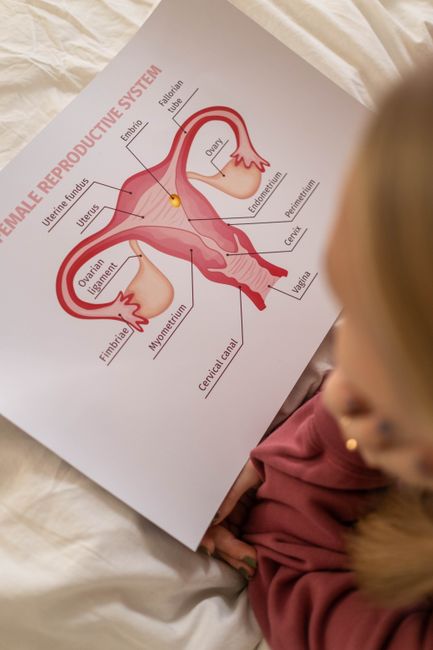
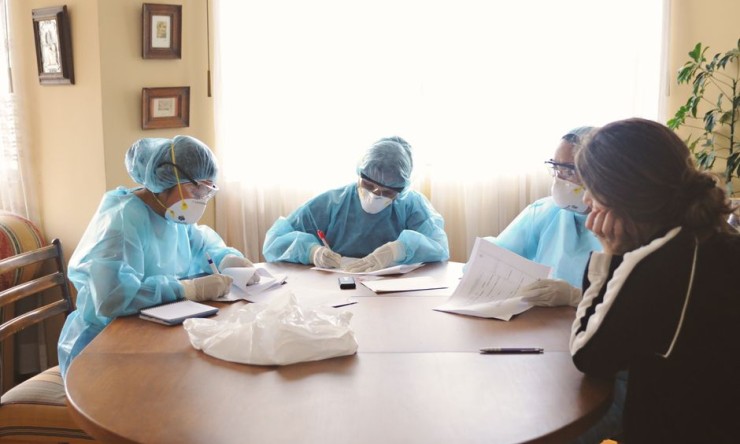
Photo: cottonbro studio / Pexels
PCOS is common, complex, and manageable. While it can feel overwhelming at first, understanding the condition is the first step toward taking control of it. With the right combination of medical care, healthy habits, and emotional support, most women with PCOS live full, healthy lives. If you suspect you may have PCOS, speak with a healthcare provider about getting evaluated rather than waiting. The earlier it is identified, the more effectively it can be managed.
Disclaimer: This article is for general educational purposes only and is not a substitute for professional medical advice, diagnosis, or treatment. Always consult a qualified healthcare provider about your individual situation.
Article by Khadija Misbah








Comments 0
Sign in to join the conversation.
No comments yet. Be the first to say something.