

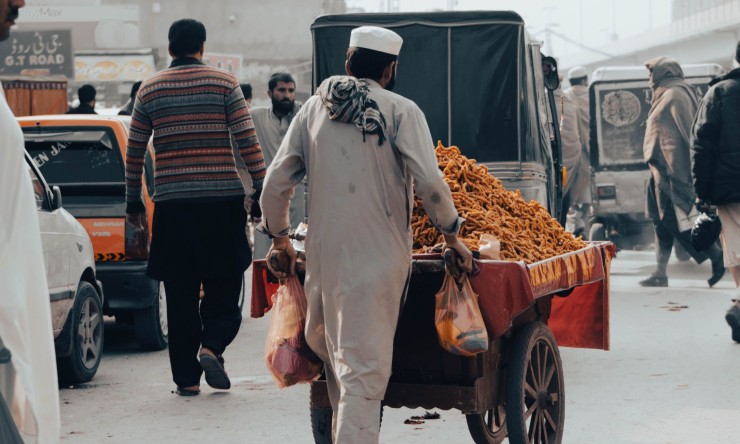
Ramadan cooking has a particular pressure: the food must be ready at sunset, it must be filling after a day of fasting, and it must be prepared while you are fasting. That combination is what makes iftar stressful for the person cooking.
The recipes below are chosen because they are fast, they use common ingredients, and they can be prepped in advance so that the cooking on the day is assembly rather than construction.
The Prep Principle
Everything that can be done the night before should be. Chopping, soaking, marinating, and mixing spice bases all happen after taraweeh, when you are not fasting and can work calmly. The cooking on the day is then ten to twenty minutes.
The second principle is to keep the menu small. Three items — a drink, a fried item, and a main — is a complete iftar. Five items is stress.
The Top 10 Recipes
1. Pakoras
Gram flour batter with sliced onions, potatoes, and spinach, deep-fried. The batter takes five minutes to mix and the frying takes ten. The crispiest pakoras use a thin batter and hot oil.
Add a pinch of baking soda for extra crunch.
2. Fruit Chaat
Mixed seasonal fruit with chaat masala, lemon, and a pinch of salt. No cooking, five minutes of chopping, and it is the most refreshing item on the table.
Make it just before iftar so the fruit does not release too much water.
3. Dahi Bhalla
Lentil dumplings soaked in spiced yoghurt, topped with chutneys. The dumplings can be fried the night before and soaked at iftar time. The yoghurt base takes two minutes to prepare.
Soak the dumplings in warm water first to soften them before adding yoghurt.
4. Chana Chaat
Chickpeas with onion, tomato, green chilli, and chaat masala. If the chickpeas are pre-cooked or tinned, this is a ten-minute assembly.
Make a large bowl. It keeps for two days and improves overnight.
5. Rooh Afza Milk
Chilled milk with Rooh Afza syrup and basil seeds. The basil seeds need twenty minutes to soak, which can be done while you cook. This is the drink that defines iftar for most Pakistani families.
Soak the seeds in advance and keep them in the fridge.

6. Samosas
Minced meat or potato filling in a pastry shell, fried until golden. The filling can be made two days ahead and the samosas assembled the night before, ready to fry at iftar.
Freeze assembled samosas and fry from frozen. They hold their shape better.
7. Chicken Rolls
Shredded chicken with vegetables wrapped in a paratha or roti. The chicken can be cooked the night before and the rolls assembled in ten minutes at iftar.
Use a thin paratha so the roll does not fall apart.
8. Aloo Tikki
Mashed potato patties with spices, shallow-fried. The potatoes can be boiled and mashed the night before, and the patties shaped and refrigerated until frying.
Fry on medium heat. High heat burns the outside and leaves the centre cold.
9. Kachori
A spiced lentil filling in a flaky pastry, deep-fried. The filling is made in advance and the kachoris are assembled and fried at iftar.
Rest the dough for thirty minutes before rolling. It makes the pastry flakier.
10. Jalebi
A sweet made from fermented batter fried in spirals and soaked in sugar syrup. The batter ferments overnight, and the frying takes ten minutes.
Serve hot. Cold jalebi is a different, lesser thing.
How to Manage Iftar Without Stress
Plan the menu on the first day of Ramadan and stick to it. Rotating the same five items is less stressful than inventing new ones daily.
Involve the family. Children can set the table, someone can fry, someone can make the drink. Iftar is not one person's job.
And keep a backup. A tin of dates and a carton of milk means that even if everything goes wrong, iftar happens.
The Mistakes That Make Iftar Harder
Cooking too many items. Three is plenty; five is a marathon. Starting to cook at four in the afternoon while fasting. And trying new recipes during Ramadan instead of practising them in advance.
Test any new recipe before Ramadan begins. Iftar is not the time to experiment.
The Drinks That Matter
Rooh Afza is the standard, but alternatives exist. Lemonade with black salt is refreshing and cuts through the heaviness of fried food. Lassi, both sweet and salted, is filling and hydrating.
Water is the most important drink and the most overlooked. Drink two glasses before anything else, because dehydration after a day of fasting is real and water is the fastest fix.
Avoid very cold drinks immediately after breaking the fast. They can cause stomach cramps. Room temperature or slightly cool is better.
And limit caffeine at iftar. It is dehydrating and disrupts sleep, which matters during Ramadan when nights are short.
Iftar for a Crowd
Cooking for many people requires a different approach. Scale up the recipes that can be made in bulk — fruit chaat, chana chaat, dahi bhalla — and keep the fried items to one or two.
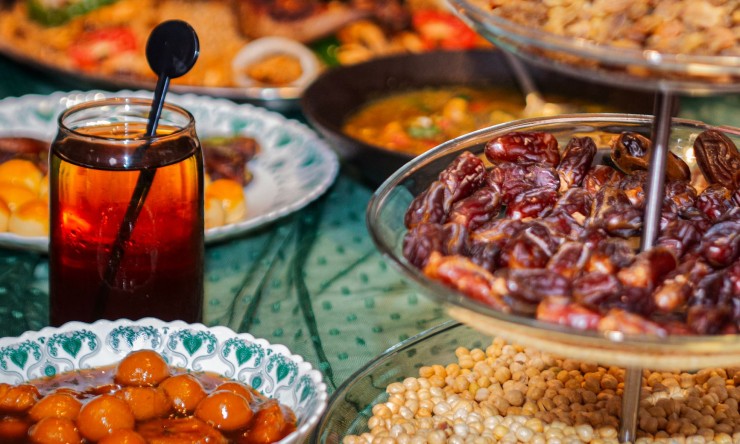
Set up a buffet rather than plating individually. It is faster and lets people serve themselves, which reduces the pressure on the cook.
And accept help. People want to contribute, and refusing makes the evening harder for everyone. Assign specific tasks: someone fries, someone makes drinks, someone sets the table.
The best iftar is one where the cook also gets to eat while the food is hot.
The Night Before Prep List
Soak the basil seeds. Chop the onions and potatoes. Make the spice base and store it in a jar. Mix the pakora batter and refrigerate. These four tasks take twenty minutes after taraweeh and save an hour of stress the next day.
Also soak any lentils or chickpeas overnight. They cook faster and are easier to digest after a day of fasting.
And set the table before sleeping. Waking up to a prepared table reduces the morning rush and lets you focus on cooking.
The goal is that on the day, you are assembling and frying, not chopping and mixing. The difference is enormous when you are fasting.
The Bottom Line
Prep the night before, keep the menu to three items, and accept help. Iftar is a family meal, not a solo performance.




Comments 0
Sign in to join the conversation.
No comments yet. Be the first to say something.