

Cinema, often referred to as the "silver screen," has been a central pillar of global entertainment and culture for over a century. Its journey from silent films to digital masterpieces reflects technological innovation, changing societal norms, and the boundless creativity of filmmakers. This article delves into the fascinating evolution of cinema, exploring key milestones, technological breakthroughs, and its enduring cultural impact.
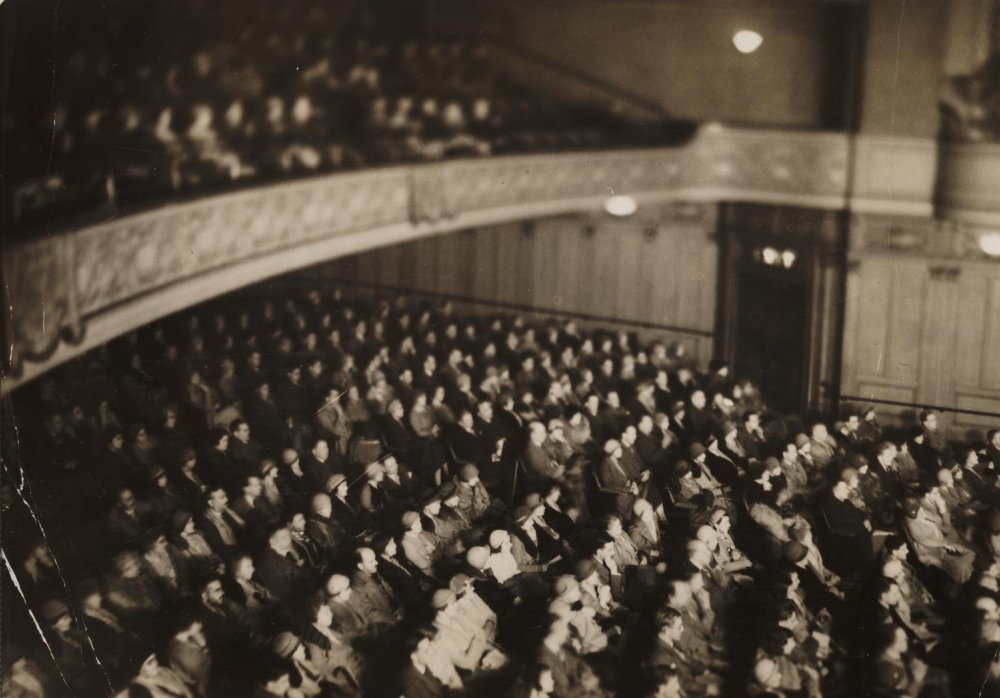
The Silent Era (1890s–1920s): The Birth of Cinema
Cinema began as a novelty, combining moving images with a simple narrative structure.
Key Innovations
- Kinetoscope (1891): Invented by Thomas Edison, it introduced individual viewing of motion pictures.
- Lumière Brothers (1895): Their short film Arrival of a Train at La Ciotat Station is considered one of the earliest public film screenings.
Features of the Era
- Films were silent, accompanied by live music, narrators, or sound effects.
- Early stars like Charlie Chaplin and Buster Keaton became icons of visual storytelling.
- Movies such as The Birth of a Nation (1915) showcased cinema's ability to tell complex stories, despite its controversial themes.
The Golden Age of Hollywood (1930s–1950s): Sound and Glamour
With the advent of synchronized sound, cinema entered its golden age, characterized by innovation and mass appeal.
The Talkies
- The Jazz Singer (1927): The first feature-length film with synchronized dialogue, it marked the transition to "talkies."
- Studios adapted quickly, creating musicals and dialogue-heavy scripts.
The Studio System
- Major studios like MGM, Paramount, and Warner Bros. dominated, controlling production, distribution, and exhibition.
- Iconic stars like Humphrey Bogart, Marilyn Monroe, and Audrey Hepburn emerged.
World War II and Propaganda Films
- Films became tools for morale-boosting and propaganda, with movies like Casablanca (1942) blending romance and patriotism.

The New Hollywood Era (1960s–1980s): Breaking Conventions
The decline of the studio system and societal upheavals brought new voices and bold storytelling to the forefront.
Key Trends
- Auteur Filmmaking: Directors like Alfred Hitchcock, Stanley Kubrick, and Martin Scorsese emphasized personal vision.
- Rise of Blockbusters:Films like Jaws (1975) and Star Wars (1977) pioneered the blockbuster model, combining large budgets with massive marketing campaigns.
Cultural Reflection
- Movies became more daring, tackling themes like anti-war sentiment (Apocalypse Now), civil rights (Guess Who’s Coming to Dinner), and counterculture movements.
The Digital Revolution (1990s–2000s): CGI and Globalization
The introduction of digital technology revolutionized filmmaking, opening new creative possibilities.
Computer-Generated Imagery (CGI)
- Jurassic Park (1993): Proved the potential of CGI to create lifelike creatures.
- The Matrix (1999): Popularized groundbreaking visual effects like "bullet time."
Rise of Franchises
- The 2000s saw the dominance of franchises like Harry Potter, The Lord of the Rings, and the Marvel Cinematic Universe.
Global Cinema
- International films gained global recognition, with movies like Crouching Tiger, Hidden Dragon (China) and Amélie (France) captivating worldwide audiences.
The Streaming Era (2010s–Present): Redefining Accessibility
The rise of streaming platforms has fundamentally altered how audiences consume cinema.
Streaming Platforms
- Netflix, Amazon Prime, and Disney+ have shifted movie releases from theaters to home screens.
- The COVID-19 pandemic accelerated the trend, with simultaneous streaming and theatrical releases becoming common.
Diverse Storytelling
- Streaming platforms have allowed underrepresented voices and stories to find global audiences, such as Parasite (South Korea) and Roma (Mexico).
Technological Advances
- High-definition visuals, immersive sound, and 3D/4D experiences have enhanced audience engagement.
Cultural Impact of Cinema Over Time
A Mirror to Society
Cinema has consistently reflected and influenced societal norms, politics, and culture, shaping how people perceive themselves and the world.
A Global Language
Despite language barriers, cinema remains a universal medium, capable of eliciting emotions and fostering connections across cultures.

The Future of Cinema: What’s Next?
Virtual Reality (VR) and Augmented Reality (AR)
- Immersive storytelling through VR/AR could redefine audience engagement.
AI in Filmmaking
- AI may assist in scriptwriting, editing, and even creating hyper-realistic visuals.
Sustainability in Production
- Eco-friendly practices are becoming increasingly important in reducing cinema's carbon footprint.
Conclusion
From the silent marvels of the early 20th century to today’s visually stunning blockbusters, cinema has continually reinvented itself, adapting to technological advancements and evolving audience preferences. As we look to the future, the silver screen promises to remain a dynamic and transformative force in global entertainment.

You must be logged in to post a comment.