

1. Introduction: Teachers as Pillars of Holistic Education
In today’s educational landscape, the role of teachers extends far beyond delivering curriculum content. Educators are now recognized as key influencers in the emotional, psychological, and academic lives of students. The growing awareness around student well-being underscores the necessity of nurturing environments where learners feel valued, understood, and supported. Teachers are not only subject matter experts; they are mentors, counselors, advocates, and role models. Their daily interactions significantly impact how students perceive themselves, their learning journey, and the world around them. In fostering student well-being, teachers contribute directly to academic motivation, engagement, and long-term achievement.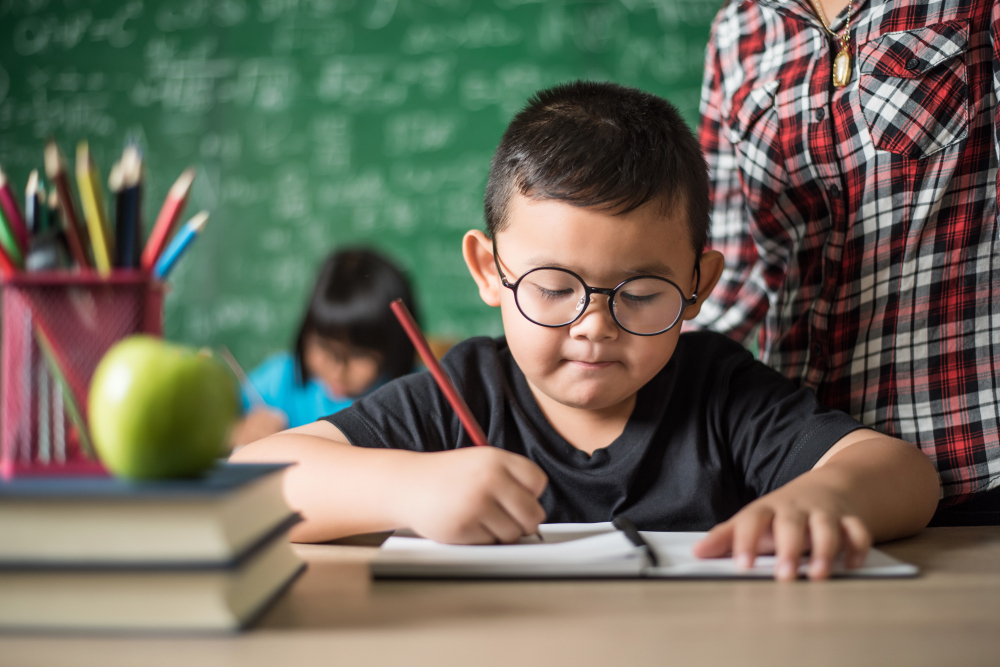
2. Creating a Safe and Supportive Learning Environment
A safe learning environment is the foundation for both academic success and emotional well-being. Teachers who establish trust, consistency, and respect in their classrooms create spaces where students feel secure to express themselves and take intellectual risks. This includes enforcing fair discipline, being culturally responsive, and promoting inclusion. When students know that their identities and experiences are respected, they are more likely to engage meaningfully with the curriculum. Furthermore, classrooms where kindness, cooperation, and empathy are actively practiced become microcosms of a healthy society—spaces that reflect the values of equity and justice. Teachers play a crucial role in shaping these environments every day through their attitudes, language, and classroom practices.

3. Emotional Intelligence and the Teacher-Student Relationship
Emotional intelligence is a core competency for teachers aiming to support student well-being. Understanding how to manage one’s emotions and respond appropriately to students’ feelings can profoundly affect the classroom dynamic. Strong teacher-student relationships are linked to increased academic performance, reduced behavioral problems, and improved emotional regulation in students. By actively listening, showing empathy, and validating students’ emotions, teachers cultivate trust and open communication. These relationships also serve as protective factors, especially for students dealing with external stressors such as poverty, trauma, or family instability. When students feel seen and supported, their ability to learn and thrive increases exponentially.

4. Identifying and Addressing Mental Health Challenges
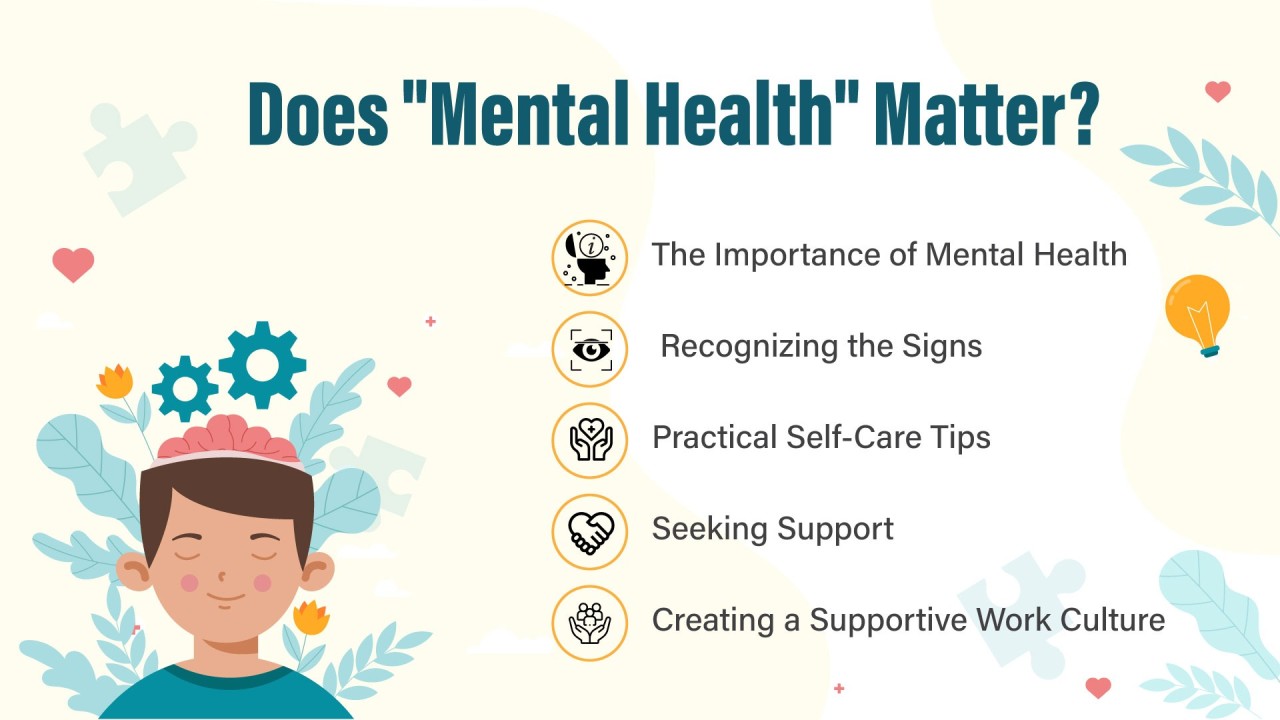
Teachers are often the first adults outside the family to notice signs of mental health issues in children and adolescents. While they are not expected to act as therapists, educators can play a vital role in identifying concerns such as anxiety, depression, bullying, or learning disabilities. Training in mental health literacy helps teachers recognize early warning signs and respond with appropriate referrals or classroom accommodations. Creating a classroom culture where mental health is openly discussed reduces stigma and encourages students to seek help when needed. Schools that provide resources and encourage teacher involvement in student wellness initiatives tend to foster more resilient and successful student populations.
5. Academic Support Through Differentiated Instruction
Every student learns differently, and effective teachers recognize the need to adapt instruction to meet diverse needs. Differentiated instruction involves tailoring content, process, and assessment to align with students' abilities, interests, and learning styles. This approach not only supports academic growth but also reinforces students’ confidence and sense of competence. Teachers who differentiate instruction demonstrate that they value each learner’s potential, which fosters a sense of belonging and motivation. Additionally, formative assessment strategies allow teachers to identify gaps early and intervene with targeted support, thus reducing academic stress and promoting a culture of success for all students.

6. Promoting Growth Mindset and Resilience
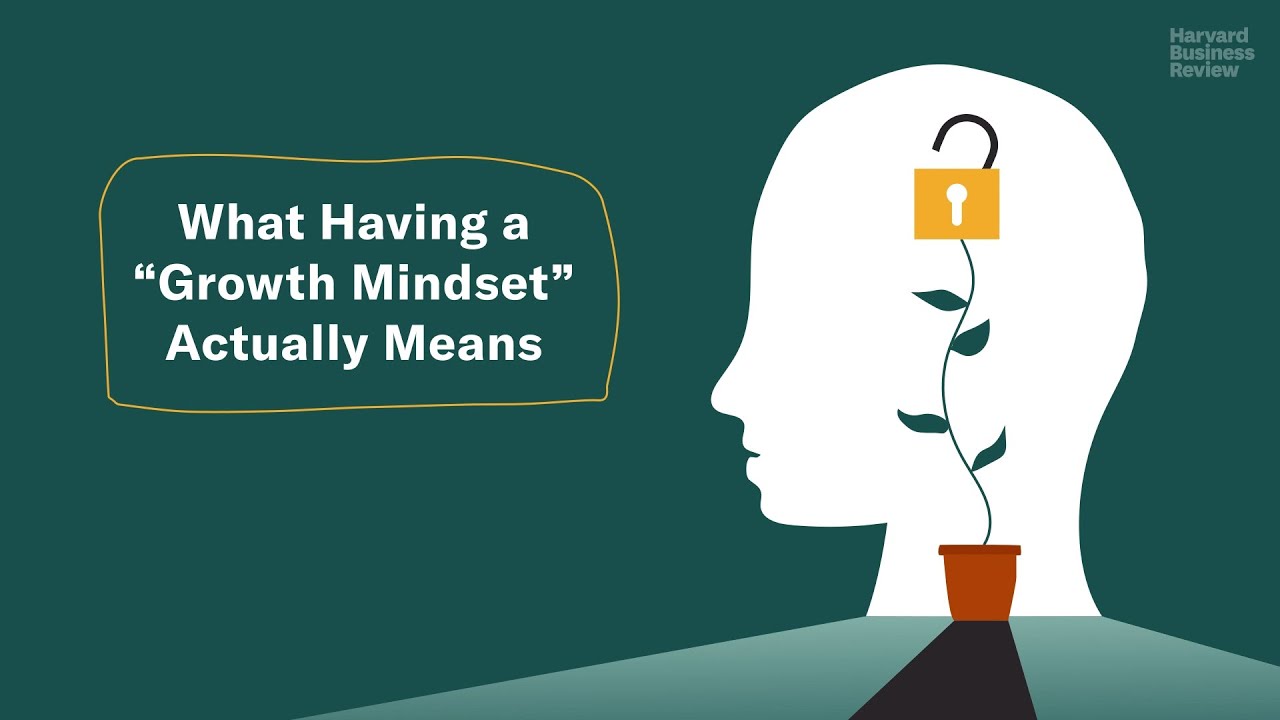
Teachers are instrumental in helping students develop a growth mindset—the belief that abilities can be developed through effort and persistence. By encouraging reflection, celebrating mistakes as learning opportunities, and emphasizing progress over perfection, educators shape how students approach challenges. Resilience, or the ability to bounce back from setbacks, is cultivated when teachers provide consistent encouragement and model perseverance. These attributes are vital for both academic achievement and personal development. Through intentional feedback and scaffolded support, teachers empower students to take ownership of their learning journey and remain motivated even in the face of difficulty.
[Insert Image Here]
7. Collaboration with Families and Communities
Supporting student well-being and academic success is a collective effort that involves families, communities, and schools. Teachers who establish strong communication with parents and caregivers build a shared understanding of student needs and strengths. Regular updates, collaborative goal-setting, and culturally responsive outreach create a support network around each student. Moreover, engaging with community resources—such as mental health services, enrichment programs, or mentorship initiatives—enriches the educational experience and helps address barriers to learning. When educators serve as bridges between school and community, they create a holistic support system that enhances both well-being and academic outcomes.

You must be logged in to post a comment.