
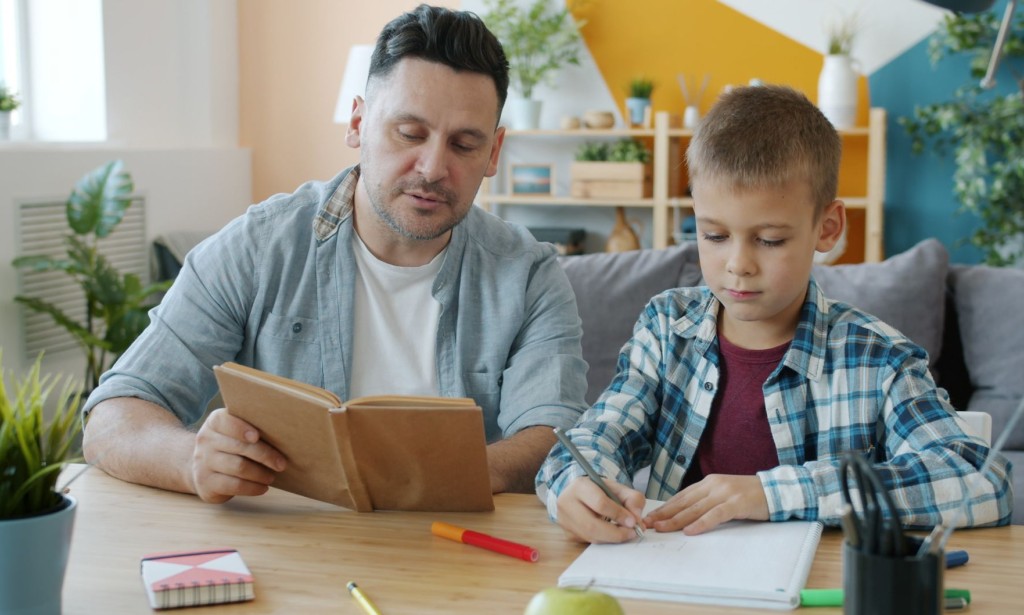
The Role of Parents in Education: Guardians in Schooling
Education is not solely the responsibility of teachers and schools—it involves a collaborative effort, with parents playing a pivotal role. A child’s success in school is often tied to the level of involvement and support they receive from their parents or guardians. While teachers and schools provide the academic foundation, parents are essential in shaping the child’s attitude toward learning, reinforcing important skills, and supporting emotional well-being. This article delves into the significant role parents play in their child’s education and how they can contribute to their overall development.

1. Creating a Supportive Learning Environment at Home
The foundation for learning begins at home. Parents set the tone for how their children approach education and learning. By creating a supportive and structured learning environment at home, parents can encourage their children to engage more effectively with their schoolwork. This includes providing a quiet, well-lit study area, setting aside time for homework, and minimizing distractions during study periods.
Moreover, fostering a growth mindset is critical. Parents can help their children understand that intelligence is not fixed, but can grow with effort and perseverance. Encouraging a positive attitude toward challenges, and viewing mistakes as learning opportunities, helps students develop resilience—an essential trait for academic success.

2. Promoting Good Study Habits
One of the most influential ways parents can support their children’s education is by promoting good study habits. Establishing routines is key to academic success, and parents can guide their children to build effective habits that help them manage their time and tasks efficiently.
-
Setting a routine: Encouraging a regular study schedule helps students maintain consistency. Having a designated time each day for homework and revision ensures that students stay on top of their work and are less likely to procrastinate.
-
Organizational skills: Teaching children how to keep their schoolwork organized is equally important. Using planners or calendars to track assignments and deadlines is an excellent way to help students stay organized and reduce stress.
-
Encouraging breaks: The brain needs time to recharge, so it’s important for parents to encourage their children to take short breaks during study sessions. This helps maintain focus and productivity over longer periods.
By establishing and reinforcing these habits, parents help instill discipline and independence in their children—skills that are essential not just in school, but in life.

3. Involvement in School Activities and Communication
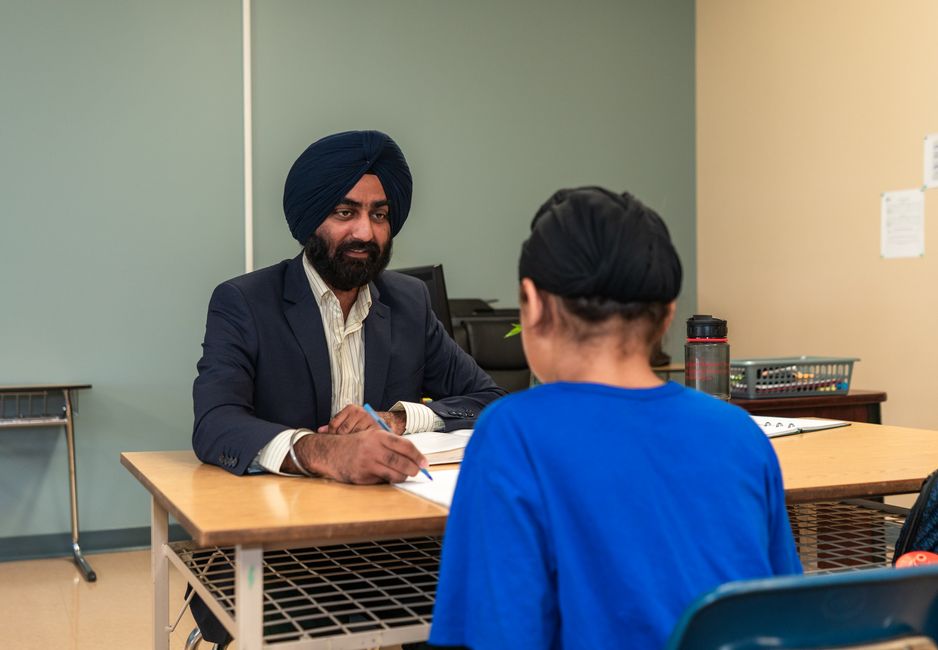
Parent involvement extends beyond the walls of the home. Actively participating in school activities—such as parent-teacher meetings, school events, and volunteering—allows parents to stay informed about their child’s academic progress and well-being. It also gives parents a clearer understanding of the school’s curriculum, teaching methods, and any challenges their child may be facing.
Open communication with teachers is also crucial. Parents who maintain a relationship with their child’s teachers are better equipped to address any academic or behavioral concerns early on. By being proactive, parents can work with teachers to develop strategies that support their child’s learning and development.
Additionally, regular communication with the school community helps parents stay connected with their child's peers and their learning environment. Being aware of social dynamics and any changes in the educational environment allows parents to intervene when necessary, ensuring their child’s success.
4. Fostering Emotional and Social Development
While academic skills are essential, emotional and social skills are just as important. A child’s emotional well-being significantly impacts their academic success. Parents who provide emotional support and encouragement help children build self-confidence, reduce anxiety, and develop healthy coping mechanisms.
Positive reinforcement—such as praising effort rather than just outcomes—can boost a child’s self-esteem and motivate them to keep working hard. Parents can also help their children navigate challenges, whether academic or social, by being empathetic and offering solutions or guidance.
Furthermore, fostering good communication skills and social development is essential. Parents should encourage their children to engage in positive social interactions, develop teamwork skills, and learn conflict resolution. These skills not only help children thrive in school but are also vital for success in life.

5. Setting High Expectations and Encouraging Responsibility
Parents are key in shaping their child’s expectations for education. Setting high yet realistic expectations for academic performance encourages children to strive for excellence, while also providing them with the motivation to succeed. However, it is important that parents set expectations in a way that is achievable and supportive.
Encouraging responsibility and accountability is another aspect of a parent’s role. When children understand that they are responsible for their own learning and actions, they develop a sense of ownership and pride in their academic progress. Parents can reinforce this by allowing children to make decisions about their studies, encouraging them to set goals, and rewarding achievements when they meet their objectives.
It is also crucial that parents foster a sense of balance. Encouraging children to pursue extracurricular activities, like sports, arts, or community service, contributes to well-rounded development and teaches time-management skills. Balancing academics with personal growth helps children develop a healthy attitude toward learning and life.
6. Addressing Challenges and Providing Support
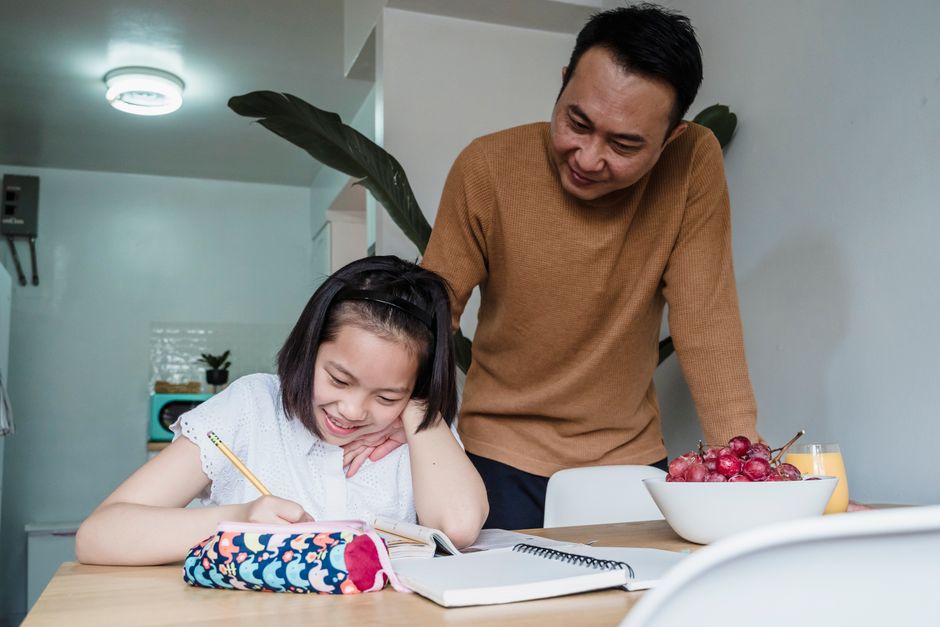
Education is not without its challenges, and parents must be prepared to address obstacles that may arise. Whether it’s struggling with a particular subject, dealing with bullying, or managing emotional or behavioral issues, parents need to be proactive in supporting their children through difficult situations.
By recognizing when a child is struggling, parents can take steps to provide additional support. This may involve seeking help from tutors, counselors, or school support services, or working closely with teachers to address academic or behavioral concerns. Open dialogue is essential when facing challenges, as it ensures that the child feels heard and supported, and that any issues are dealt with promptly.

7. Being a Role Model
Parents are their children’s first teachers and role models. By demonstrating a love for learning and a positive attitude toward education, parents can inspire their children to value education as well. This can be as simple as engaging in activities that promote learning, such as reading books, discussing current events, or exploring new subjects together.
Additionally, showing a commitment to personal growth—whether through pursuing higher education, learning a new skill, or taking on new challenges—helps set an example for children. When parents show that they value learning and self-improvement, children are more likely to adopt the same mindset.

Conclusion
The role of parents in education is multifaceted and critical to a child’s academic and personal success. By fostering a positive learning environment at home, promoting good study habits, staying involved in school activities, and providing emotional and social support, parents can ensure that their children receive the well-rounded education they deserve. As active participants in their child’s educational journey, parents help lay the foundation for lifelong learning, resilience, and achievement.
Ultimately, the partnership between parents, teachers, and students creates a supportive network that enhances a child’s growth, helping them thrive not only academically but also as confident, well-rounded individuals.

You must be logged in to post a comment.