


Emotional intelligence (EQ) is increasingly recognized as one of the most important traits for effective leadership. It involves the ability to understand and manage your own emotions, recognize and influence the emotions of others, and use this awareness to guide thinking and behavior. In leadership, EQ can foster stronger relationships, build trust, and improve communication, ultimately driving organizational success. This article explores the role of emotional intelligence in leadership, providing insights on how leaders can leverage EQ to strengthen their leadership and enhance their team dynamics.
1. Understanding Emotional Intelligence in Leadership
Key Keywords: emotional intelligence, self-awareness, empathy, leadership
Emotional intelligence is the ability to identify, understand, manage, and influence emotions in oneself and others. In leadership, EQ plays a crucial role in building rapport, resolving conflicts, and motivating teams. It encompasses five main components: self-awareness, self-regulation, motivation, empathy, and social skills. These components collectively help leaders create an environment of trust, collaboration, and high performance.
The Five Components of Emotional Intelligence:
- Self-Awareness: Recognizing and understanding your own emotions and their effect on others.
- Self-Regulation: Managing your emotions, particularly in stressful or challenging situations.
- Motivation: Maintaining a passion for achieving goals and inspiring others to do the same.
- Empathy: Recognizing and understanding the emotions of others and responding with compassion.
- Social Skills: Building and maintaining positive relationships, facilitating communication, and resolving conflicts.
2. The Impact of Emotional Intelligence on Leadership Effectiveness
Key Keywords: leadership effectiveness, influence, decision-making, motivation
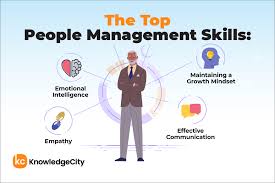
Leaders with high emotional intelligence are better equipped to make decisions, inspire their teams, and navigate complex interpersonal dynamics. Their ability to manage emotions not only helps them stay calm under pressure but also fosters an environment of collaboration and trust.
How Emotional Intelligence Enhances Leadership Effectiveness:
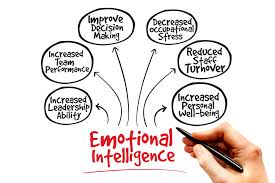
- Improved Decision-Making: Leaders with strong EQ can manage their emotions and avoid impulsive decisions, leading to more thoughtful and strategic choices.
- Increased Influence: By understanding and connecting with others emotionally, EQ-driven leaders inspire greater loyalty and motivation from their teams.
- Stronger Relationships: Leaders with high emotional intelligence build trust and rapport, strengthening relationships both within and outside the organization.
- Better Conflict Resolution: EQ enables leaders to manage and resolve conflicts in a way that preserves relationships and maintains team cohesion.
3. Building Trust Through Emotional Intelligence
Key Keywords: trust, relationships, transparency, credibility
Trust is the cornerstone of effective leadership. Leaders who demonstrate emotional intelligence are better able to build trust with their teams by being transparent, empathetic, and consistent in their actions. When trust is present, employees are more engaged, collaborative, and committed to the organization’s goals.
How Emotional Intelligence Builds Trust in Leadership:
- Authenticity and Transparency: Leaders who are self-aware and open about their emotions are seen as more authentic, which builds credibility and trust.
- Consistency: Leaders with high EQ are consistent in their emotional responses and actions, ensuring predictability in their behavior.
- Empathy and Compassion: Demonstrating understanding and concern for the emotions of others helps leaders earn trust, as employees feel valued and heard.
- Active Listening: Listening attentively to team members' concerns and emotions shows respect and fosters trust.
4. The Role of Empathy in Leadership
Key Keywords: empathy, understanding, compassion, leadership
Empathy is a core component of emotional intelligence and plays a pivotal role in leadership. It enables leaders to connect with their teams on a deeper level, understand their needs, and respond in ways that promote collaboration and engagement.
The Role of Empathy in Leadership:
- Enhances Communication: Empathetic leaders can communicate more effectively by understanding the emotional tone of a situation and adapting their message accordingly.
- Fosters Inclusivity: Empathy helps leaders recognize diverse perspectives and create an inclusive culture where all employees feel valued.
- Builds Stronger Relationships: By putting themselves in the shoes of their team members, empathetic leaders form stronger bonds and improve team dynamics.
- Motivates Employees: Understanding what drives team members emotionally allows leaders to tailor their approach, motivating individuals to perform at their best.
5. Self-Awareness and Self-Regulation in Leadership
Key Keywords: self-awareness, self-regulation, emotional control, leadership growth
Self-awareness and self-regulation are two of the most critical components of emotional intelligence. They allow leaders to understand their emotional triggers, control their reactions, and maintain a positive and professional demeanor even in challenging situations.
How Self-Awareness and Self-Regulation Strengthen Leadership:
- Informed Decision-Making: Leaders who are self-aware understand how their emotions influence their decisions and are better able to make objective, reasoned choices.
- Maintaining Calm Under Pressure: Leaders with high self-regulation remain composed in stressful situations, modeling emotional control for their teams.
- Managing Stress and Conflict: Self-regulation helps leaders manage their stress and react to conflict in a calm and constructive way, preventing escalations.
- Building Emotional Resilience: Leaders with high EQ are better equipped to handle setbacks and failures, maintaining a positive outlook and inspiring resilience in their teams.
6. The Link Between Emotional Intelligence and Employee Engagement
Key Keywords: employee engagement, motivation, performance, emotional connection
Leaders with high emotional intelligence tend to have more engaged and motivated teams. When employees feel understood, valued, and supported emotionally, they are more likely to be committed to their work and perform at a high level.
How Emotional Intelligence Enhances Employee Engagement:
- Emotional Connection: Leaders who show empathy and understanding create an emotional connection with their employees, leading to higher engagement levels.
- Recognition and Validation: Leaders who acknowledge and validate their team members’ emotions create a supportive work environment, increasing job satisfaction and motivation.
- Empowering Employees: Emotionally intelligent leaders empower employees by recognizing their strengths and providing the support needed for growth and development.
- Creating a Positive Work Environment: Leaders who are attuned to the emotional needs of their teams foster a positive, motivating, and supportive workplace culture.
7. Social Skills and Communication in Leadership
Key Keywords: social skills, communication, influence, relationship building
Effective communication and social skills are central to leadership. Leaders with high emotional intelligence excel at navigating complex social dynamics, building rapport, and influencing others in a positive and productive manner.
How Social Skills and Communication Impact Leadership:
- Relationship Building: Strong social skills enable leaders to build and maintain positive relationships with a variety of stakeholders, including team members, clients, and other leaders.
- Conflict Management: Leaders with high EQ can mediate conflicts effectively, maintaining harmony within teams and preventing disruptions.
- Persuasion and Influence: EQ-driven leaders can influence others by understanding their emotional needs and aligning messages to resonate with their audience.
- Effective Team Collaboration: Leaders with strong social skills can foster teamwork, encourage collaboration, and create an atmosphere where collective success is prioritized.
8. Developing Emotional Intelligence as a Leader
Key Keywords: personal development, growth, coaching, leadership skills
While some leaders may have a natural aptitude for emotional intelligence, EQ can be developed and enhanced through intentional effort and practice. Leaders who are committed to improving their emotional intelligence will see improvements in their leadership effectiveness and the overall success of their teams.
How Leaders Can Develop Emotional Intelligence:
- Seek Feedback: Regularly ask for feedback from peers, mentors, or team members to gain insight into how your emotional intelligence is perceived.
- Practice Active Listening: Make an effort to listen attentively to others and understand their emotions before responding.
- Engage in Emotional Reflection: Take time to reflect on your emotional reactions and consider how they influence your decisions and interactions.
- Pursue Coaching or Training: Invest in leadership development programs or emotional intelligence coaching to build your EQ skills.
Conclusion
Emotional intelligence is a critical asset for effective leadership. By developing self-awareness, practicing empathy, and enhancing social skills, leaders can build stronger relationships, foster trust, and create an environment that encourages collaboration and high performance. As organizations increasingly recognize the value of EQ in leadership, those who cultivate emotional intelligence will be better positioned to inspire their teams, drive success, and navigate the complexities of today’s business world.
Keywords Recap: emotional intelligence, leadership, trust, relationships, empathy, communication, self-awareness, employee engagement





Comments 0
Sign in to join the conversation.
No comments yet. Be the first to say something.