


Understanding the Importance of Customer Experience
What is Customer Experience?
Customer experience refers to the overall perception a customer has of a brand based on their interactions at various touchpoints. It encompasses everything from browsing a website and purchasing a product to receiving customer support and interacting on social media.
Why Customer Experience Matters
- Increased Customer Retention: Positive experiences make customers more likely to return, boosting retention rates.
- Higher Revenue: Loyal customers spend more over time and are less price-sensitive, contributing significantly to a business's bottom line.
- Brand Advocacy: Customers who have memorable experiences are more likely to recommend a brand to friends and family, amplifying word-of-mouth marketing.
- Competitive Advantage: Businesses that prioritize CX stand out in a crowded market, making it easier to attract and retain customers.

Strategies to Create Memorable Customer Experiences
1. Understand Your Customer’s Journey
The first step in improving CX is understanding the customer journey from start to finish. This involves mapping out every interaction a customer has with your brand, from initial awareness to post-purchase support.
- How to Implement:
- Develop a customer journey map to identify key touchpoints where your brand interacts with customers.
- Analyze customer pain points and areas of friction that could impact their experience negatively.
- Use data and feedback to refine the journey and eliminate barriers to a smooth experience.
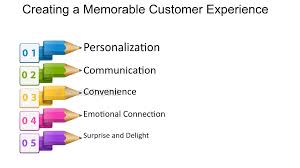
2. Personalize Every Interaction
Customers appreciate brands that treat them as individuals rather than as a number or transaction. Personalization involves tailoring the experience to meet the unique needs, preferences, and behaviors of each customer.
- How to Implement:
- Use customer data to personalize marketing messages, product recommendations, and communication.
- Address customers by name in emails and provide content or offers that align with their interests.
- Train customer service teams to recognize repeat customers and tailor their support accordingly.
3. Prioritize Seamless Omni-Channel Experiences
In the modern age, customers interact with brands across multiple platforms—websites, social media, in-store visits, and mobile apps. Delivering a consistent, seamless experience across all channels is crucial for creating memorable interactions.
- How to Implement:
- Ensure that branding, messaging, and user experiences are consistent across all platforms.
- Integrate customer data across channels to provide continuity in interactions, such as knowing a customer’s online purchase history during in-store visits.
- Offer multiple channels for customer support, including chatbots, live chat, email, and phone support.
4. Empower and Train Your Employees
Your employees play a critical role in delivering exceptional customer experiences. Empowered and well-trained employees are better equipped to meet customer needs and create positive interactions.
- How to Implement:
- Provide regular training on customer service skills, brand values, and product knowledge.
- Empower employees to make decisions that enhance customer satisfaction, such as resolving issues without escalating to management.
- Recognize and reward employees who go above and beyond to create memorable customer experiences.

5. Leverage Technology to Enhance CX
Technology can help businesses streamline operations, gather valuable customer insights, and deliver personalized experiences at scale. From chatbots to CRM systems, leveraging the right tools can make a big difference in CX.
- How to Implement:
- Use customer relationship management (CRM) software to track customer interactions and preferences.
- Implement chatbots and AI-driven tools to provide instant, 24/7 support for common queries.
- Use data analytics to identify trends in customer behavior and make informed decisions to enhance the experience.
6. Gather and Act on Customer Feedback
Customer feedback provides invaluable insights into what your business is doing right and where improvements are needed. Listening to and acting on this feedback demonstrates your commitment to delivering a better experience.
- How to Implement:
- Conduct regular surveys, polls, and feedback requests to gather customer opinions.
- Monitor social media channels and online reviews to identify trends in customer sentiment.
- Use feedback to implement changes and communicate those improvements to your customers.
7. Focus on Emotional Connections
Memorable experiences often involve creating an emotional bond with customers. These connections build trust, loyalty, and a sense of belonging, making customers more likely to remain loyal to your brand.
- How to Implement:
- Share your brand story and values in a way that resonates with your audience.
- Engage in social responsibility initiatives that align with your customers’ values.
- Show genuine care and empathy during customer interactions, especially when resolving complaints.
8. Deliver Beyond Expectations
Exceeding customer expectations is a powerful way to create memorable interactions. Whether it’s through surprise offers or exceptional service, going the extra mile leaves a lasting impression.
- How to Implement:
- Offer unexpected perks, such as discounts, free samples, or handwritten thank-you notes.
- Respond promptly and efficiently to customer inquiries and complaints.
- Anticipate customer needs and provide solutions before they even ask.
Measuring the Success of Your Customer Experience Strategy
Key Metrics to Track
- Net Promoter Score (NPS): Measures customer loyalty by asking how likely they are to recommend your brand to others.
- Customer Satisfaction (CSAT): Captures customer satisfaction with specific interactions or overall experiences.
- Customer Retention Rate: Indicates how many customers return to your business over time.
- Customer Effort Score (CES): Evaluates how easy it is for customers to interact with your brand, such as resolving issues or making purchases.
Conclusion
Creating memorable customer experiences is a powerful way to differentiate your brand, build loyalty, and drive long-term success. By understanding the customer journey, personalizing interactions, empowering employees, and leveraging technology, businesses can craft experiences that resonate with their audience. Leaders who prioritize CX as a core business strategy will not only retain customers but also transform them into enthusiastic advocates, ensuring sustained growth and profitability.
If you're ready to enhance your customer experience strategy, take the first step by mapping your customer journey and gathering actionable feedback—your loyal customers will thank you.





Comments 0
Sign in to join the conversation.
No comments yet. Be the first to say something.