

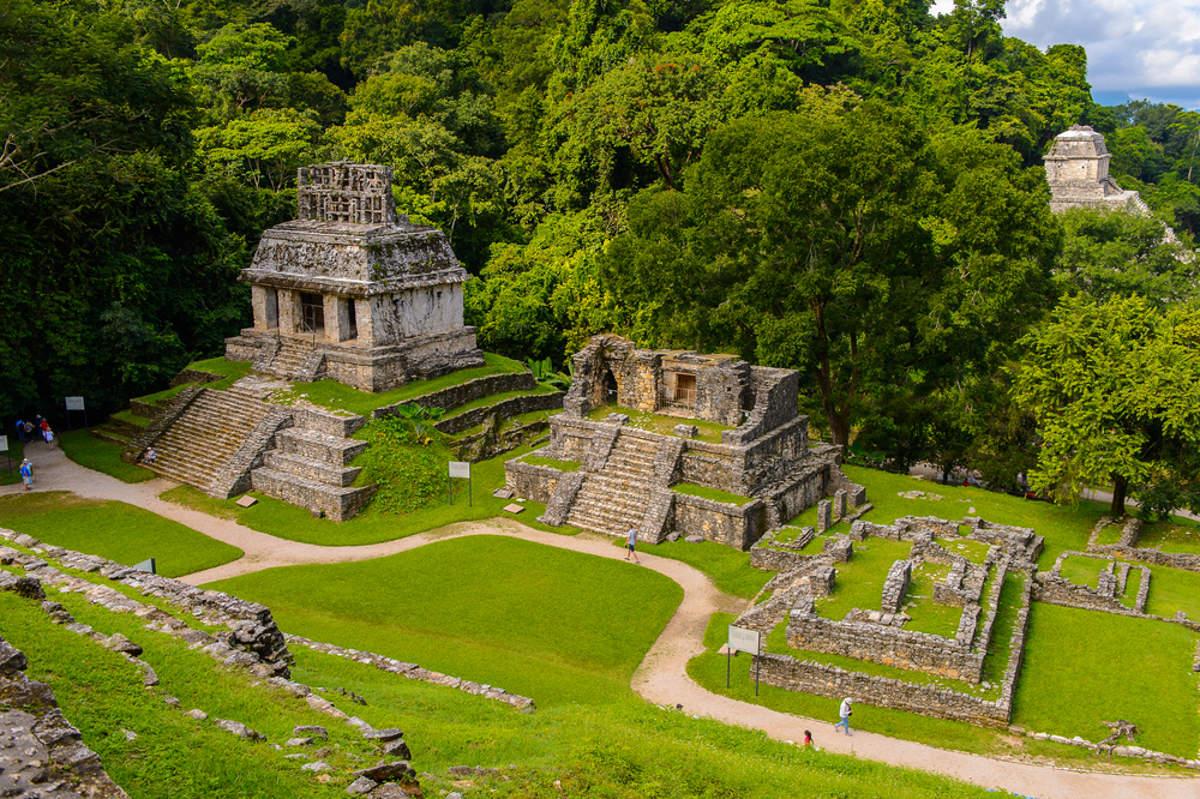
That Vanished Into the Jungle
Discover the fascinating history of the Maya civilization, its magnificent cities, incredible knowledge, mysterious decline, and the people who still preserve its culture today.
Introduction: A World Hidden Beneath the Jungle
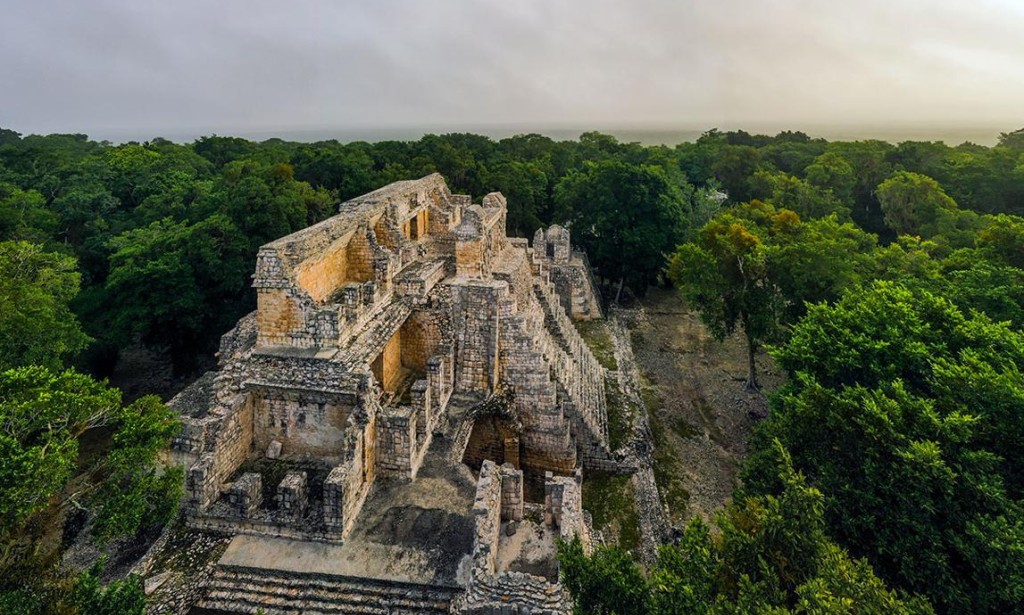
Deep inside the tropical forests of Central America, there are enormous stone temples, ancient pyramids, mysterious inscriptions, and abandoned cities that tell the story of one of the most fascinating civilizations in human history.
These are the remains of the Maya civilization.
Thousands of years ago, the Maya built impressive cities, studied the movements of planets, developed advanced mathematical ideas, and created a writing system capable of recording their history.
Their civilization flourished across areas that are now part of Mexico, Guatemala, Belize, Honduras, and El Salvador.
But something extraordinary happened.
During the ninth century, many of the great Maya cities in the southern lowlands began to lose their power. Monument construction declined, political systems weakened, and large population centers were gradually abandoned.
The jungle slowly covered buildings that had once represented wealth and power.
What caused this remarkable transformation?
Was it drought, warfare, political conflict, environmental destruction, or a combination of several problems?
The story of the Maya is much more complicated than a civilization simply disappearing.
The Beginning of the Maya Civilization
The Maya civilization did not appear overnight.
Its roots extend back thousands of years, with communities developing agricultural traditions and permanent settlements in Mesoamerica.
Over time, these communities became increasingly organized.
Agriculture allowed people to produce food, establish larger settlements, and support populations that could work in different occupations.
Maize became one of the most important crops in Maya society. Beans, squash, and other agricultural products also played an important role in everyday life.
As settlements expanded, political centers developed, religious traditions became more complex, and powerful rulers emerged.
The civilization eventually reached a remarkable level of cultural and architectural development.
The Golden Age of the Maya
The Classic Period, approximately 250 to 900 CE, is often considered one of the most remarkable periods in Maya history.
During this time, many powerful cities flourished across the Maya region.
Cities such as Tikal, Palenque, Copán, and Calakmul became important political, religious, and economic centers.
They contained enormous temples, royal palaces, ceremonial plazas, and residential areas.
The Maya were not ruled by one single emperor. Instead, the region contained numerous independent kingdoms and city-states, each with its own rulers, political relationships, and rivalries.
Some kingdoms formed alliances, while others fought wars for territory and influence.
This complex political world helped create a rich and fascinating history.
The Incredible Architecture of the Maya
One of the most impressive achievements of the Maya was their architecture.
They constructed enormous stone pyramids, temples, palaces, and ceremonial buildings without modern machinery.
Many structures were carefully designed and decorated with carvings, sculptures, and inscriptions.
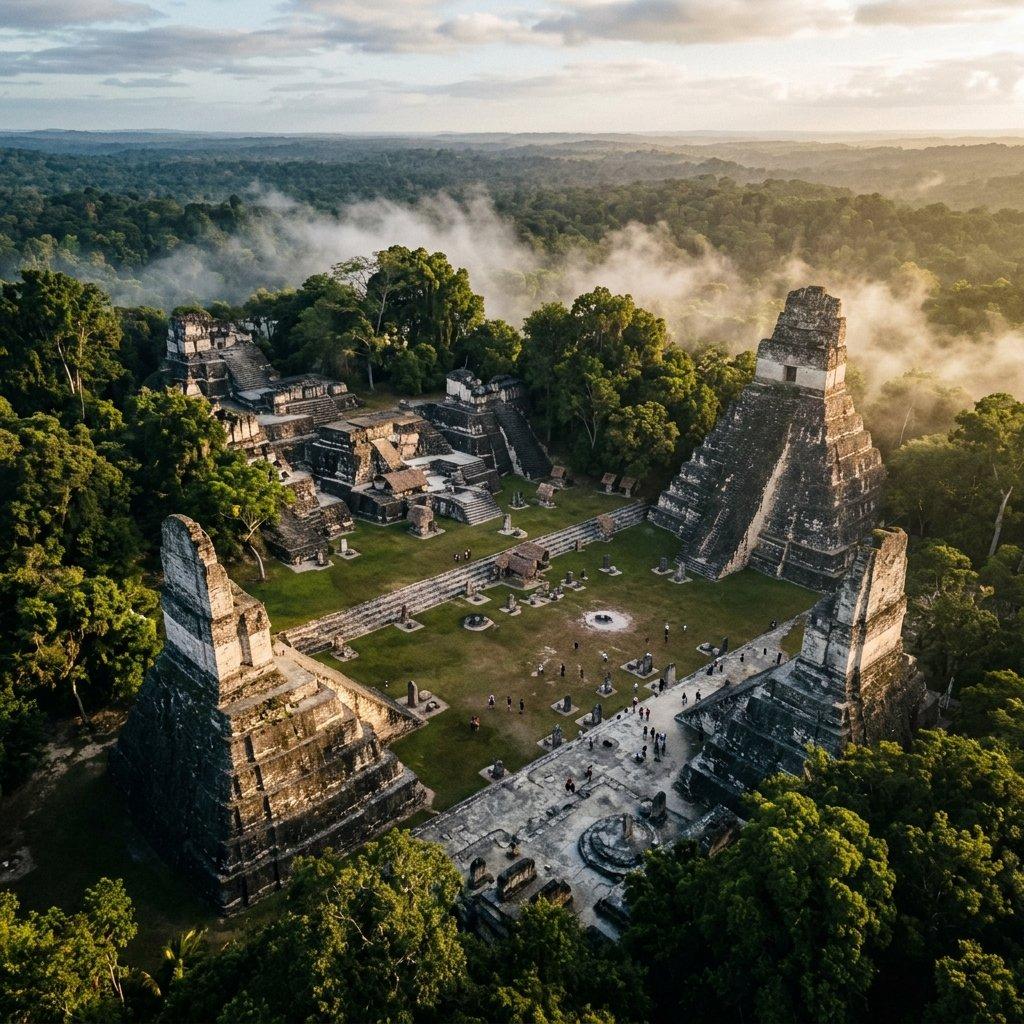
Tikal, located in present-day Guatemala, is one of the most famous examples.
Its towering temples rise above the surrounding tropical forest, creating an extraordinary archaeological landscape.
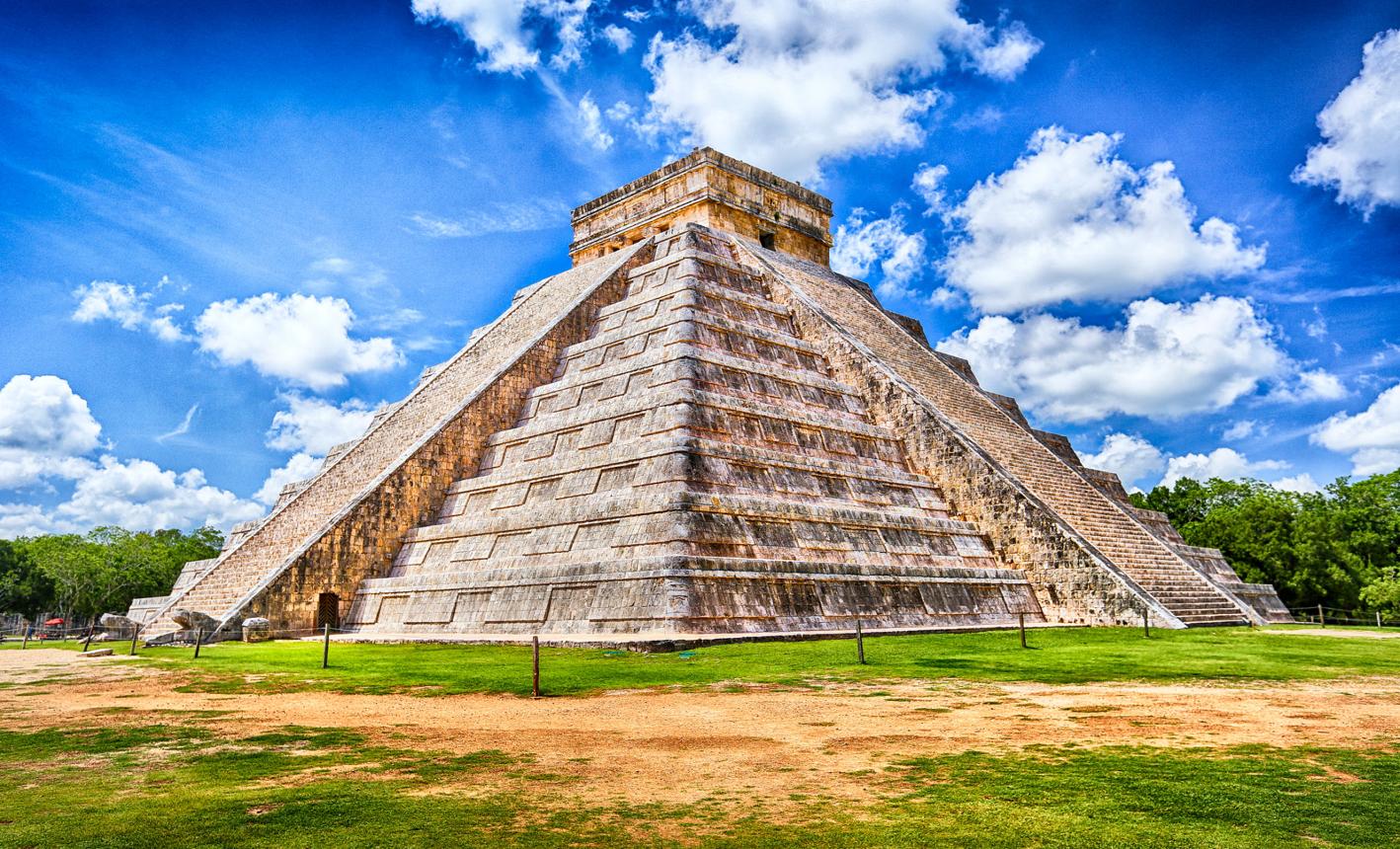
Another famous location is Chichen Itza in Mexico, where the enormous pyramid known as El Castillo became one of the most recognizable monuments of ancient Mesoamerica.
These buildings were not simply places to live or gather.
They reflected political authority, religious beliefs, astronomical knowledge, and the social organization of Maya communities.
Even today, their construction continues to attract the attention of archaeologists and visitors from around the world.
The Maya Were Brilliant Mathematicians
The Maya developed an impressive mathematical system.
One of its most interesting features was the use of a number system based on twenty.
They also used a symbol representing zero, an important mathematical concept that helped them perform calculations.
Their system used dots and bars to represent numbers.
A dot generally represented one, while a bar represented five.
By combining these symbols, they could record and calculate larger numbers.
This mathematical knowledge was closely connected to astronomy, calendars, architecture, and religious ceremonies.
The Maya were able to make detailed observations of celestial movements and organize their calendars with remarkable sophistication.
Their Knowledge of Astronomy and Calendars
The Maya carefully observed the Sun, Moon, planets, and stars.
They built structures and developed observation traditions that helped them understand recurring astronomical events.
Their calendar system was particularly sophisticated.
They used several interconnected ways of measuring time, including the 260-day ritual calendar and the 365-day solar calendar.
These systems helped organize religious ceremonies, agricultural activities, and important political events.
The Maya also developed the Long Count calendar, which allowed them to record dates across long periods of time.
Their understanding of time was deeply connected to their religious and cultural worldview.
This is one reason why the Maya civilization remains so fascinating to historians and researchers.
A Writing System That Preserved History
The Maya developed one of the most sophisticated writing systems in ancient America.
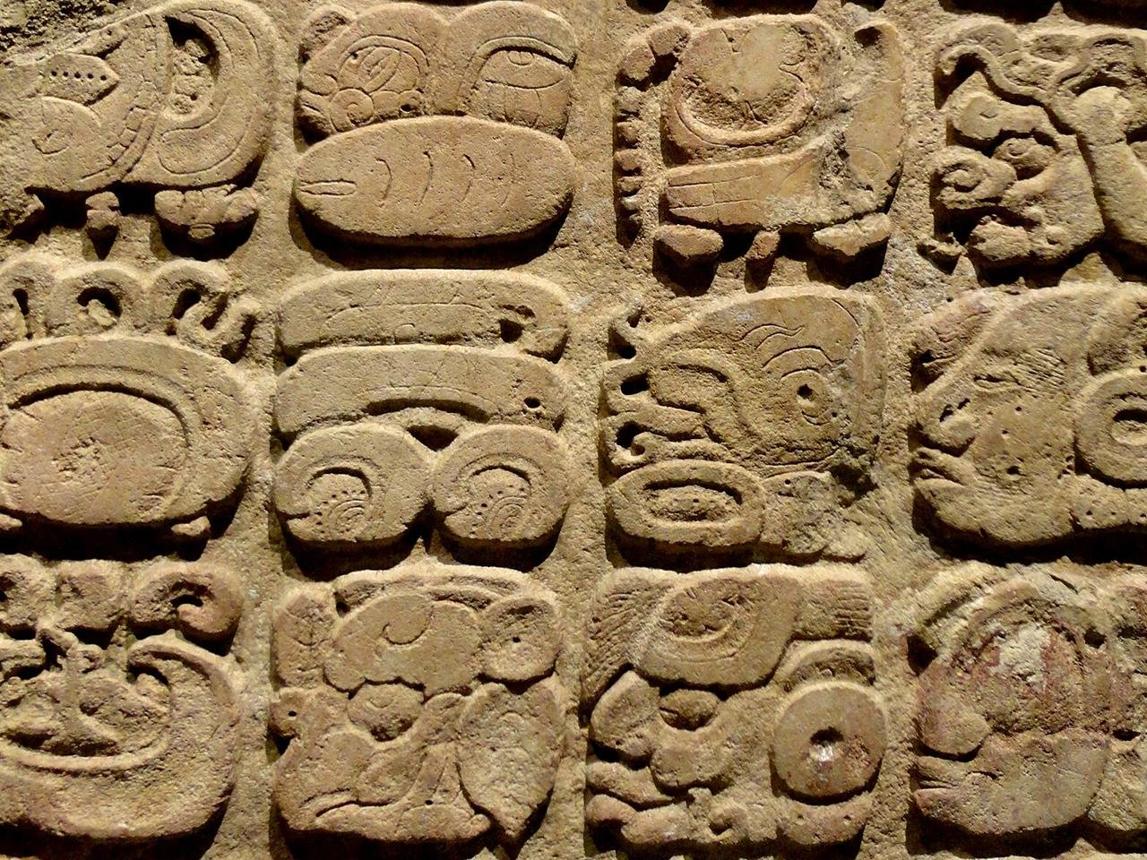
Their writing used hieroglyphic signs representing words, sounds, and ideas.
They carved inscriptions into stone monuments, painted them on buildings, and recorded information in books made from bark paper.
These writings documented the lives of rulers, wars, royal ceremonies, religious events, and important dates.
Unlike many ancient societies whose histories are known mainly through archaeological discoveries, the Maya left behind written records that help researchers understand their political and cultural world.
Although many Maya books were destroyed during the Spanish conquest, some surviving manuscripts and thousands of inscriptions continue to provide valuable information.
The ability to read Maya hieroglyphs has transformed our understanding of their history.
Why Did the Great Maya Cities Decline?
This is perhaps the most interesting part of the story.
Between approximately 750 and 950 CE, many major cities in the southern Maya lowlands experienced serious political and demographic decline.
Monument construction decreased, royal inscriptions became less common, and several important urban centers were abandoned.
For a long time, researchers debated what caused this transformation.
Today, archaeological and scientific research suggests that several factors probably contributed.
1. Severe Droughts
One major explanation involves climate change and prolonged drought.
The Maya depended heavily on agriculture, and water was essential for their survival.
Scientific studies have identified periods of reduced rainfall during the centuries when many southern Maya cities declined.
Long periods without sufficient rain could have damaged crops, reduced food supplies, and created pressure on communities.
A study published in the journal Science in 2012 examined ancient climate records and found evidence of substantial reductions in rainfall during the Classic Maya collapse.
However, drought alone does not explain everything.
2. Warfare Between Kingdoms
The Maya world was divided into competing political kingdoms.
These kingdoms sometimes formed alliances, but they also fought wars.
Conflicts could damage agricultural areas, disrupt trade, weaken rulers, and force people to leave their homes.
As political systems became unstable, some cities may have struggled to maintain their power.
Warfare was likely one of several factors that contributed to the decline of certain urban centers.
3. Environmental Destruction
Large populations required enormous amounts of food, wood, and building materials.
As cities expanded, forests were cleared for agriculture and construction.
Intensive use of land could damage the environment and make agricultural production more difficult.
When environmental pressure combined with drought and population growth, communities became increasingly vulnerable.
4. Political Instability
Maya rulers depended on their ability to maintain political authority, organize ceremonies, manage resources, and protect their populations.
When food supplies became uncertain and conflicts increased, public confidence in political leaders may have weakened.
Some rulers lost power, while others could no longer maintain the systems that supported large urban populations.
These political changes probably contributed to the abandonment of major cities.
Did the Maya Civilization Completely Disappear?
Here is one of the biggest misunderstandings about Maya history.
The Maya people did not completely disappear.
Although many southern cities declined and were abandoned, Maya communities continued to exist in other regions.
Northern Maya centers remained important for centuries after the decline of many southern lowland cities.
Cities such as Chichen Itza and Mayapan became important centers during later periods.
When Spanish forces arrived in the region during the sixteenth century, they encountered established Maya communities and kingdoms.
The conquest was a long and difficult process, and Maya resistance continued for generations.
Even today, millions of Maya people live across Mexico and Central America.
They preserve their languages, traditions, cultural practices, and historical identity.
Therefore, it is more accurate to say that many Classic Maya cities and political systems collapsed, rather than claiming that the Maya people vanished.
The Lost Cities Rediscovered by the World
For centuries, many ancient Maya cities remained hidden beneath thick tropical vegetation.
Explorers, archaeologists, and researchers gradually began documenting these places.
Their discoveries revealed impressive temples, palaces, carved monuments, and ancient residential areas.
Tikal became one of the most important archaeological sites in Guatemala.
Palenque revealed beautifully decorated buildings and royal inscriptions.
Copán, in present-day Honduras, became famous for its elaborate sculptures and hieroglyphic stairway.
In recent years, modern technologies such as LiDAR have helped researchers identify ancient structures hidden beneath forest canopies.
These discoveries suggest that Maya landscapes were often more densely settled and carefully managed than previously understood.
The jungle did not erase every trace of this civilization.
Instead, it concealed parts of a history that archaeologists are still uncovering.
What Can We Learn From the Maya?
The Maya story offers important lessons for the modern world.
Their achievements demonstrate how human societies can develop extraordinary knowledge, architecture, mathematics, and cultural traditions.
At the same time, the decline of many major cities shows how political instability, environmental pressure, conflict, and changing climate conditions can create serious challenges.
Modern societies also depend on natural resources, stable institutions, and cooperation.
The Maya experience reminds us that even powerful urban civilizations must adapt to changing circumstances.
A society's survival depends not only on its wealth and achievements but also on its ability to respond to difficulties.
Conclusion: The People Who Never Truly Disappeared
The Maya civilization remains one of the most remarkable chapters in human history.
Its magnificent cities, mathematical achievements, astronomical observations, and writing system continue to inspire researchers and historians.
Many of its great southern cities declined and became hidden beneath the jungle, but the Maya people survived.
Their descendants continue to preserve languages, traditions, and cultural identities that connect the present with the ancient past.
Perhaps the greatest mystery is not how the Maya disappeared, but how their extraordinary culture continued to survive through centuries of change.
The ancient temples may stand quietly among the trees, but the story of the Maya is far from over.
The jungle may have covered their cities, but it could never erase their civilization's legacy.
Author's Note: This article is based on established archaeological and historical research. The decline of Classic Maya cities was a complex process, and no single explanation accounts for every region. The Maya people and their cultures continue to thrive today.






Comments 0
Sign in to join the conversation.
No comments yet. Be the first to say something.