

Television has come a long way from being a medium for simple, episodic sitcoms and predictable drama. Today, we find ourselves in what many critics and industry insiders refer to as the "Golden Age of Television." With high production values, compelling storytelling, and diverse narratives, television has become a platform for groundbreaking content that rivals or even surpasses traditional cinema.
This article explores why television storytelling is at its peak and what factors have contributed to the rise of this golden age.
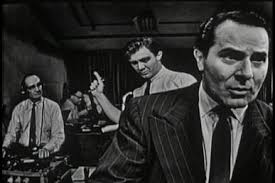
What Defines the Golden Age of Television?
The "Golden Age" of television is marked by several key factors:
- High-Quality Content: Shows today feature cinematic production values, intricate plots, and complex characters.
- Narrative Innovation: Television is no longer just about episodic storytelling; it has evolved to explore serialized arcs and innovative formats.
- Diverse Representation: There's a broader range of voices and perspectives in TV programming, leading to more inclusive and authentic storytelling.
- Critical Acclaim: Television shows now regularly win major awards, often surpassing films in recognition.
The Rise of Serialized Storytelling
1. Complex, Long-Term Narratives
Gone are the days when shows had one-off episodes with neatly tied-up plots. Today's top TV series feature intricate, serialized storylines that span entire seasons or even multiple years.
- Example: Breaking Bad and The Sopranos are iconic shows that offered deep character arcs and story developments that built over time, keeping viewers hooked.
2. Layered Characters and Emotional Depth
Television today allows for long-term character development, something that movies, with their limited runtime, often struggle to achieve.
- Example: Mad Men and The Crown explore complex emotional and psychological journeys, revealing the full depth of their characters over many episodes and seasons.
3. Non-linear Storytelling
Modern shows often employ non-linear storytelling, jumping back and forth in time to create intricate, multi-layered narratives.
- Example: Westworld and The Haunting of Hill House use non-linear storytelling to explore themes of memory, identity, and trauma in fascinating ways.
The Streaming Revolution and the Growth of TV Quality
Streaming platforms like Netflix, Amazon Prime Video, Disney+, and Hulu have changed the landscape of television. By moving away from traditional TV scheduling, they’ve allowed for the creation of shows that take risks and experiment with storytelling techniques.
- On-Demand Viewing: Viewers now have the freedom to watch shows at their own pace, contributing to more binge-worthy content.
- Larger Budgets for TV: With streaming platforms investing in original programming, TV shows now have access to the same level of production quality that was once exclusive to movies.
- International Reach: Streaming has broken down geographic barriers, giving audiences worldwide access to stories from different cultures. Shows like Money Heist and Squid Game are perfect examples of how global success can be achieved on TV.
The Impact of HBO and Prestige Television
HBO has long been a pioneer in the realm of prestige television. Shows like The Wire, Game of Thrones, and Succession have set the bar for quality TV storytelling.
- High Production Values: HBO’s investments in lavish sets, detailed costumes, and stunning cinematography have raised the overall standard for television.
- Adult Themes and Complex Storylines: HBO shows frequently tackle mature themes such as politics, power, and morality, often exploring them in more depth than traditional network TV.
- Cultural Influence: HBO’s shows have become cultural touchstones, sparking conversations and even influencing real-world political and social issues.
Diverse Voices and Inclusive Storytelling
One of the defining features of this Golden Age is the increased representation of diverse voices and experiences on television.
- More Inclusive Casting: Characters from different races, sexual orientations, and backgrounds are now featured prominently, challenging the traditional tropes and stereotypes.
- Example: Pose highlights LGBTQ+ and Black communities, while Master of None explores race and identity in modern America, giving nuanced portrayals of underrepresented groups.
- Diverse Storylines: Writers and showrunners from various backgrounds are telling stories that were previously ignored or marginalized. Shows like Insecure and Ramy offer fresh perspectives on what it means to navigate life as a minority in today's world.
The Rise of TV Talent and Showrunners
The modern era of television has also seen the rise of the "showrunner"—the creative mastermind behind a TV show.
- Example: Vince Gilligan (creator of Breaking Bad), Shonda Rhimes (creator of Grey’s Anatomy), and David Chase (creator of The Sopranos) have established themselves as masters of their craft, producing shows that leave a lasting impact.
- Creative Freedom: Many showrunners are given unprecedented creative freedom, leading to unique and personal storytelling that isn’t confined by conventional television formats.
Why Television is Better Than Ever
1. Longer Narrative Time
Television allows for more time to explore characters and themes. What can be done in 8-10 episodes often far exceeds what a movie can achieve in 90 minutes.
2. Greater Experimentation
With fewer restrictions from network executives, streaming platforms and cable networks can afford to experiment with unconventional formats, genres, and storytelling techniques.
3. Immersive World-Building
TV shows today create expansive universes that allow for deeper engagement with their characters and stories.
- Example: Stranger Things and The Mandalorian build entire worlds that viewers become emotionally invested in, with each season adding new layers to the story.

The Future of Television
As technology continues to evolve, the future of television looks even brighter. Trends include:
- Interactive Television: Shows like Bandersnatch are paving the way for interactive TV, where viewers can make choices that affect the storyline.
- More International Content: With streaming platforms reaching global audiences, expect more international shows and films to rise in prominence.
- Virtual Reality and Augmented Reality: These technologies could offer entirely new ways to experience television, where viewers are part of the narrative.
Conclusion
We are living in a golden age of television, where storytelling is more innovative, diverse, and impactful than ever before. Television has evolved from being a passive medium to one that challenges conventions, explores deep emotions, and mirrors the complexities of modern life.

You must be logged in to post a comment.