

The Future of AI-Powered Personal Assistants
Artificial Intelligence (AI) has revolutionized many aspects of life, but one of the most promising developments is the rise of AI-powered personal assistants. These advanced digital companions are set to become more intelligent, intuitive, and deeply integrated into daily activities, making life easier and more efficient. While current AI assistants like Siri, Alexa, and Google Assistant have already changed how people interact with technology, the next generation of AI-powered personal assistants will be even more transformative.

The future AI assistants will go beyond voice commands and simple tasks. They will learn from user behavior, anticipate needs, and provide proactive assistance. Using deep learning and natural language processing, these AI companions will understand emotions, tone, and context, making interactions more human-like. Imagine an assistant that not only reminds you of meetings but also analyzes your schedule, suggests the best time for breaks, and even orders your favorite coffee before you ask for it.
One of the most exciting advancements in AI-powered personal assistants is their potential integration with wearable technology and augmented reality (AR). Future AI assistants may be embedded in smart glasses or even contact lenses, displaying real-time information directly in a user’s field of vision. This could revolutionize how people work, shop, and communicate. For instance, while walking into a store, an AI assistant could instantly compare prices, recommend healthier food options, or remind you of past purchases.
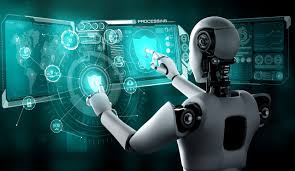
AI-powered personal assistants will also become more personalized. Unlike today’s generic voice assistants, future versions will adapt to individual preferences, speech patterns, and habits. They will be able to hold meaningful conversations, detect moods, and offer emotional support. This could be particularly beneficial for people who live alone or suffer from mental health issues. An AI companion could recognize signs of stress or anxiety and suggest calming exercises, meditation, or even connect the user to a friend or therapist.
Another significant improvement will be in multilingual capabilities and cultural adaptability. Current AI assistants struggle with multiple languages and dialects, but future models will seamlessly switch between languages based on the user’s preference. This will be particularly useful for global travelers, business professionals, and people living in multilingual households.
The role of AI assistants in healthcare will also expand. In the future, AI-powered personal assistants could monitor vital signs through wearable devices, detect health abnormalities, and even schedule doctor appointments automatically. These assistants could remind users to take medication on time, suggest personalized fitness plans, and provide dietary recommendations based on real-time health data. This level of integration could help prevent diseases and improve overall well-being.
Despite the incredible benefits, there are concerns regarding privacy and security. Future AI assistants will have access to vast amounts of personal data, raising ethical questions about data protection and misuse. Developers and policymakers must ensure strong encryption and user control over data to build trust in AI technologies.
As AI continues to evolve, personal assistants will become indispensable in everyday life. They will not only simplify tasks but also enhance productivity, improve well-being, and create a more connected world. The future of AI-powered personal assistants is bright, promising a seamless blend of technology and human interaction like never before.

You must be logged in to post a comment.