

1. The Importance of Physical Health
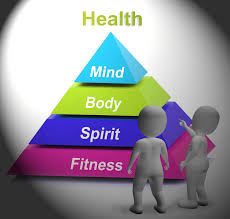
Physical health is the foundation upon which overall well-being is built. It encompasses regular physical activity, maintaining a healthy weight, and ensuring the body functions optimally. Exercise plays a pivotal role in improving cardiovascular health, boosting immunity, and enhancing endurance. According to experts, engaging in at least 150 minutes of moderate aerobic activity weekly can significantly lower the risk of chronic diseases like diabetes, heart disease, and obesity.
The benefits extend beyond physical well-being, as exercise is known to release endorphins—natural mood elevators. By incorporating strength training, flexibility exercises, and proper rest, individuals can create a balanced routine to optimize their physical health. Small lifestyle adjustments, such as taking daily walks or participating in recreational sports, can make fitness enjoyable and sustainable.
2. Nutrition as the Pillar of Wellness
Good nutrition fuels the body and supports all aspects of health. A balanced diet rich in fruits, vegetables, lean proteins, whole grains, and healthy fats provides essential nutrients to maintain energy and cellular repair. Reducing processed foods, sugar, and saturated fats is critical in preventing conditions like obesity and hypertension.
Staying hydrated is another often overlooked component of nutrition. Water is vital for maintaining bodily functions, from regulating temperature to aiding digestion. Developing mindful eating habits, such as portion control and focusing on nutrient density, can foster long-term healthy eating patterns. Including diverse and seasonal foods not only boosts health but also supports a varied and enjoyable diet.
3. Mental Health: Nurturing the Mind
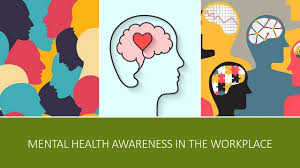
Mental health is an integral part of overall wellness, influencing thoughts, emotions, and behavior. Practices such as mindfulness, meditation, and regular self-reflection can significantly reduce stress levels. Mental health care also involves recognizing when to seek professional help and reducing stigma around therapy and counseling.
Incorporating mental health breaks into daily routines and fostering hobbies or creative outlets can improve mood and cognitive function. Building resilience through practices like gratitude journaling and cultivating positive relationships can protect against burnout and mental health challenges. Taking mental health days and connecting with support groups can also provide a much-needed outlet for emotional stressors.

4. Preventive Care: Staying Ahead of Illness
Preventive health care is an essential strategy for reducing the risk of disease and maintaining longevity. Regular check-ups, vaccinations, and screenings for conditions such as cancer and cardiovascular disease allow for early detection and treatment.
Emphasizing lifestyle choices like quitting smoking, reducing alcohol consumption, and managing stress can drastically reduce the likelihood of developing chronic illnesses. Health care providers often stress the importance of individual health plans tailored to personal risks and family medical history. Prioritizing sleep hygiene and minimizing exposure to environmental toxins are additional measures that can significantly bolster preventive care.
5. The Role of Social Connections in Health
Social relationships are a significant determinant of health, influencing both mental and physical well-being. Strong social connections can lower the risk of depression, improve immunity, and even increase life expectancy.
Community engagement, building meaningful friendships, and nurturing family bonds provide emotional support and a sense of belonging. Technology, while often criticized, can serve as a tool for maintaining connections and combating isolation when used mindfully. Participating in community programs or volunteering not only strengthens relationships but also fosters a sense of purpose and fulfillment.


You must be logged in to post a comment.