
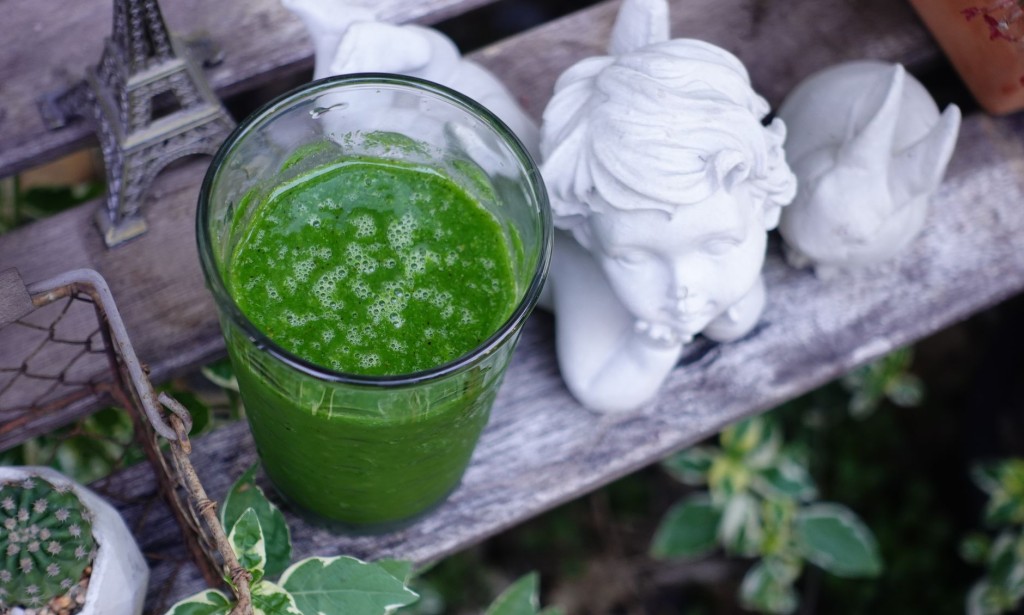
Your Healthy Smoothie Might Be Spiking Your Blood Sugar More Than Soda
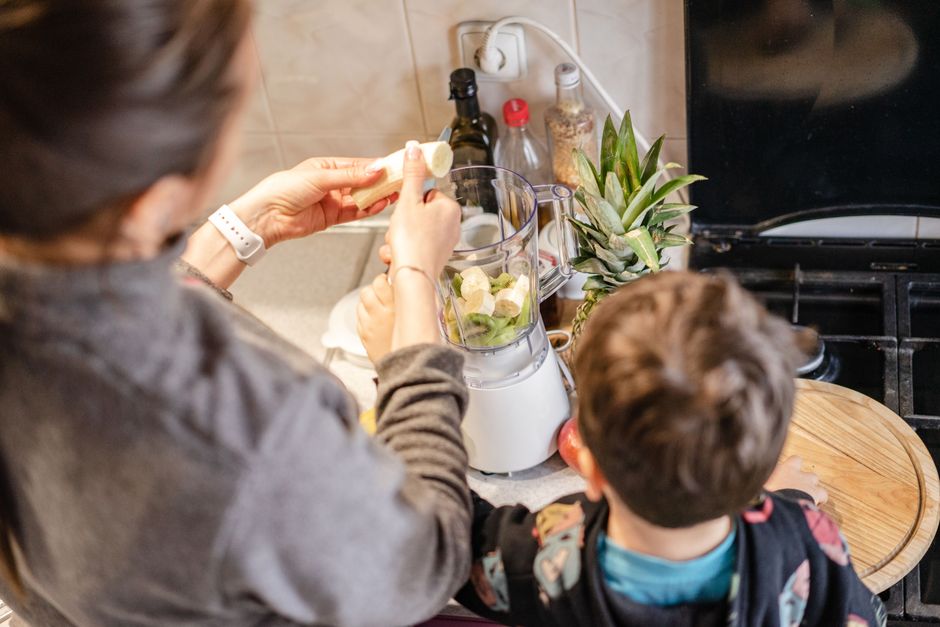
Introduction
Smoothies are often marketed as the ultimate “healthy” drink. Social media is full of bright green blends, fruit-packed cups, and promises of detox, energy, and glowing skin. For many people, a smoothie feels like a smart alternative to soda. After all, it’s made from fruits, vegetables, and natural ingredients—so it must be good for you, right?
Not always.
While smoothies can be nutritious, many popular smoothie recipes can spike your blood sugar just as fast—or sometimes even faster—than soda. The problem isn’t that fruit is bad. The problem is how smoothies are made, how much sugar they can contain, and how quickly that sugar enters your bloodstream. When fruits are blended, the natural fiber structure breaks down, making sugar easier and faster for your body to absorb. Add fruit juice, honey, flavored yogurt, or sweetened plant milk, and your “healthy” drink can turn into a sugar bomb.
In this article, we’ll break down why smoothies can raise blood sugar so quickly, how they compare to soda, what ingredients cause the biggest spikes, who is most at risk, and how to build smoothies that actually support stable energy and long-term health. You’ll also learn how to spot hidden sugar traps and make smarter choices without giving up smoothies entirely.
Understanding Blood Sugar Spikes in Simple Terms
Blood sugar (glucose) is your body’s main source of energy. When you eat or drink something with carbohydrates or sugar, your blood sugar rises. Your body releases insulin to help move that sugar into your cells. This process is normal and healthy. Problems start when blood sugar spikes too quickly or too often.
Fast spikes can:
Cause energy crashes later
Increase hunger soon after eating
Lead to insulin resistance over time
Increase the risk of type 2 diabetes
Trigger mood swings and brain fog
Liquid calories raise blood sugar faster than solid food. Why? Because liquids are digested quickly. When sugar hits your bloodstream fast, your body has to work harder to control it. Smoothies, especially fruit-heavy ones, can act more like sugary drinks than whole foods.
Why Smoothies Can Spike Blood Sugar So Fast

Smoothies often contain healthy ingredients, but the form and combination of those ingredients matter. Here’s why smoothies can raise blood sugar quickly:
1. Blending Breaks Down Fiber
Whole fruits contain fiber that slows down sugar absorption. When you blend fruit, the fiber structure is partially broken. The sugar becomes easier to absorb, which leads to faster blood sugar spikes compared to eating the same fruit whole.
2. Portion Sizes Are Bigger Than You Think
It’s easy to add:
2 bananas
1 cup mango
1 cup pineapple
Fruit juice as a base
That’s several servings of fruit in one glass. You might never eat that much fruit at once, but in smoothie form, it goes down in minutes.
3. Liquid Sugar Is Absorbed Quickly
Your body doesn’t need to chew a smoothie. Liquids leave the stomach faster, so sugar enters the bloodstream more rapidly than sugar from solid foods.
4. Hidden Sugars in “Healthy” Add-Ons
Many people add:
Honey or dates
Sweetened yogurt
Flavored protein powders
Sweetened almond or oat milk
Fruit juice
These extras can turn a smoothie into a sugar-loaded drink.
Smoothies vs Soda: The Surprising Comparison
Soda is known for being unhealthy because it contains refined sugar and no fiber. Smoothies, on the other hand, are often seen as healthy because they come from fruit. But when it comes to blood sugar response, some smoothies can behave similarly to soda.
Why smoothies can sometimes spike blood sugar more than soda:
A large fruit smoothie can contain more total sugar than a can of soda.
The blended form allows sugar to be absorbed quickly.
People often drink smoothies faster than soda because they think they’re healthy.
Smoothies can lack protein and fat, which normally slow sugar absorption.
This doesn’t mean soda is better. Soda still offers no nutritional value. But it highlights that a smoothie is not automatically healthy just because it contains fruit. The blood sugar impact depends on ingredients, portion size, and balance.
Ingredients That Cause the Biggest Blood Sugar Spikes
Some smoothie ingredients are especially likely to raise blood sugar quickly:
High-Sugar Fruits
Bananas (especially ripe)
Mangoes
Pineapple
Grapes
Dates
These fruits are healthy in moderation, but large amounts in one drink can spike glucose.
Fruit Juices
Fruit juice removes most fiber. Even 100% natural juice can raise blood sugar fast. Using juice as a smoothie base is one of the biggest sugar traps.
Sweetened Dairy and Plant Milks
Flavored yogurt, sweetened almond milk, and sweetened oat milk often contain added sugars.
Sweeteners
Honey, agave syrup, maple syrup, and date syrup are still sugar. Natural doesn’t mean low impact on blood sugar.
Who Is Most Affected by Smoothie Blood Sugar Spikes?
Not everyone reacts the same way, but some people are more sensitive to blood sugar swings:
People with prediabetes or type 2 diabetes
People trying to lose weight
People with insulin resistance
People who feel tired or hungry soon after smoothies
People who use smoothies as meal replacements without protein or fat
If you feel an energy crash, shakiness, or intense hunger after a smoothie, it may be spiking your blood sugar.
How to Build a Blood-Sugar-Friendly Smoothies
You don’t need to quit smoothies. You just need to build them smarter.
1. Use Low-Sugar Fruits
Choose:
Berries (strawberries, blueberries, raspberries)
Green apple (small amount)
Kiwi (moderate amount)
Limit:
Bananas (use half)
Mango and pineapple (small portions)
2. Add Protein
Protein slows sugar absorption and keeps you full longer.
Good options:
Greek yogurt (unsweetened)
Protein powder (unsweetened)
Tofu
Milk (unsweetened)
3. Add Healthy Fats
Fats slow digestion and reduce blood sugar spikes.
Options:
Peanut butter or almond butter
Chia seeds
Flax seeds
Avocado
4. Add Fiber-Rich Ingredients
Fiber helps control glucose response.
Add:
Spinach or kale
Oats (small amount)
Chia seeds
Flax seeds
5. Use Water or Unsweetened Milk as Base
Avoid fruit juice. Use:
Water
Unsweetened almond milk
Unsweetened coconut milk
A Balanced Smoothie Example
Instead of:
Banana + mango + orange juice + honey
Try:
Berries
Spinach
Unsweetened yogurt
Chia seeds
Water or unsweetened almond milk
This version still tastes good but won’t spike blood sugar as aggressively.
When Smoothies Can Be Helpful
Smoothies can be useful when:
You include protein and fat
You use low-sugar fruits
You drink them slowly
You treat them like a meal, not a drink
They can help people who struggle to eat vegetables or need quick nutrition. The key is balance, not overload.
Common Mistakes People Make With Smoothies
Adding too much fruit
Using fruit juice as the base
Skipping protein and fat
Drinking smoothies too quickly
Thinking “natural sugar” doesn’t affect blood sugar
Replacing meals with sugary smoothies daily
Frequently Asked Questions
Are smoothies bad for people with diabetes?
Not all smoothies are bad, but fruit-heavy, sweetened smoothies can spike blood sugar. People with diabetes should focus on low-sugar fruits, add protein and healthy fats, and avoid fruit juice and sweeteners.
Is whole fruit better than smoothies?
For blood sugar control, whole fruit is usually better because chewing and intact fiber slow sugar absorption. Smoothies can still be healthy if balanced properly.
Can green smoothies still spike blood sugar?
Yes, if they contain a lot of fruit or sweeteners. Adding spinach or kale doesn’t cancel out large amounts of sugary fruit.
Is it better to eat a smoothie or drink it?
Drinking is faster and can cause quicker blood sugar rises. If you drink smoothies slowly and make them thick, it can help reduce spikes.
Are store-bought smoothies healthy?
Many store-bought smoothies contain large amounts of fruit, juice, and added sugar. Always check labels and portion sizes.
Conclusion
Smoothies have earned a healthy reputation, but not all smoothies are created equal. Many popular recipes are packed with sugar from fruit, juice, and sweetened ingredients, which can spike blood sugar as fast—or sometimes faster—than soda. The problem isn’t fruit itself, but how much of it you consume at once and how quickly your body absorbs it in liquid form.
If you love smoothies, you don’t have to give them up. The smarter approach is to build balanced smoothies with low-sugar fruits, plenty of fiber, protein, and healthy fats. Drink them slowly and treat them as a proper meal rather than a sweet drink. By making small changes, you can enjoy smoothies that truly support stable energy, better mood, and long-term health—without the hidden sugar crash.







Comments 0
Sign in to join the conversation.
No comments yet. Be the first to say something.