

Table of Contents
1. Introduction: The Partnership That Shapes Education
2. The Vital Role of Teachers in Academic Development
3. How Parental Involvement Strengthens Student Success
4. Bridging the Gap: Teacher-Parent Collaboration
5. Common Barriers and How to Overcome Them
6. Practical Strategies for Effective Engagement
## 1. Introduction: The Partnership That Shapes Education
Education is a collaborative journey involving the student, teacher, and parent. While students are responsible for their own learning, teachers and parents act as powerful influencers and supporters. Together, they form a foundation of motivation, discipline, and emotional support that directly contributes to a student’s academic progress.
The modern educational system recognizes the importance of this triangular relationship. Studies show that when parents are engaged and teachers are proactive, students perform better, show higher attendance, and develop stronger social-emotional skills. This article discusses how educators and families can work together to create an environment where students thrive.

## 2. The Vital Role of Teachers in Academic Development
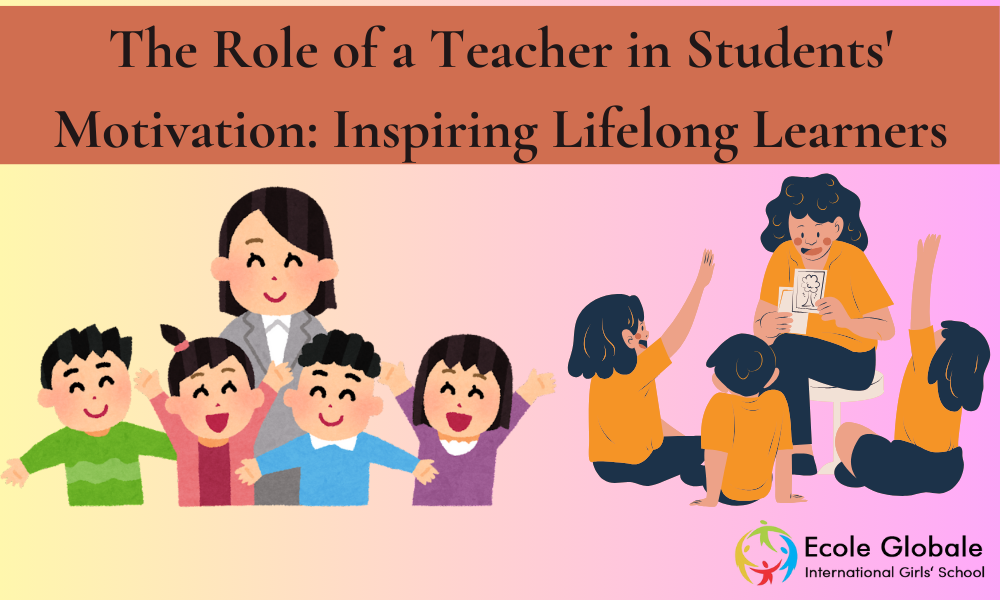
Teachers do more than deliver lessons. They assess learning needs, adapt instruction, and guide students toward mastery of skills. Great teachers inspire curiosity, build confidence, and help students set achievable goals. They also identify learning difficulties early and intervene with strategies or support.
Moreover, teachers serve as role models. Their encouragement and consistent presence shape students' attitudes toward school. A teacher who believes in a student’s potential can change that student’s entire outlook on learning. Through structured planning, assessment, and mentorship, teachers play a critical role in academic development and character building.
## 3. How Parental Involvement Strengthens Student Success
Parental involvement is one of the strongest predictors of academic success. When parents take an interest in their child’s education—whether by helping with homework, attending school meetings, or setting learning routines at home—students feel supported and motivated to perform well.
Active parents send a powerful message: education matters. This involvement improves attendance, reduces dropout rates, and boosts students’ self-confidence. It also creates an emotional safety net, allowing students to manage stress and setbacks more effectively. Regardless of background or socioeconomic status, parents who engage consistently help their children achieve more.

## 4. Bridging the Gap: Teacher-Parent Collaboration
The best outcomes occur when teachers and parents work as a team. Open communication, mutual respect, and shared goals create consistency between school and home. When teachers inform parents about academic progress or behavioral changes, parents can respond with support and reinforcement at home.
Parent-teacher conferences, school apps, and messaging platforms make communication more accessible than ever. Teachers can share learning goals, and parents can provide insights into their child’s strengths or challenges. This mutual exchange enhances decision-making and makes educational interventions more effective.

## 5. Common Barriers and How to Overcome Them
Despite best intentions, obstacles often hinder teacher-parent partnerships. Time constraints, lack of digital access, language differences, or cultural misunderstandings can all play a role. Some parents may feel unqualified to assist with schoolwork or may not understand how the school system works.
Educators can help overcome these barriers by providing flexible meeting times, using translation services, and offering parent workshops. Schools can also create more inclusive environments where every parent—regardless of background—feels welcomed and valued.

## 6. Practical Strategies for Effective Engagement
To strengthen academic progress, both teachers and parents can adopt the following strategies:
- Regular Communication: Schedule monthly check-ins, even if the student is doing well.
- Home Support: Encourage reading, homework routines, and positive reinforcement at home.
- Collaborative Goal Setting: Involve both student and parent in setting academic targets.
- Celebrate Successes: Recognize student achievements together to boost motivation.
- Use Technology Wisely: Share updates through apps and emails for real-time communication.
These strategies build trust and reinforce the message that education is a shared responsibility.


You must be logged in to post a comment.