

Reasons Why You Feel Tired Even After Sleeping
Have you ever slept for seven or eight hours, woken up in the morning, and still felt exhausted? You are not alone. Many people experience tiredness even after what seems like a full night of rest. Instead of feeling refreshed, they struggle to get out of bed, concentrate on tasks, or maintain their energy throughout the day. This experience can be frustrating, especially when you believe you are doing everything necessary to get enough sleep.
Feeling tired after sleeping does not always mean you need more hours in bed. The quality of your sleep, daily habits, stress levels, eating patterns, and general health can all influence how rested you feel. Sometimes, simple lifestyle changes can help. In other cases, persistent tiredness may indicate an underlying condition that requires medical attention. Understanding the possible reasons can help you identify practical steps toward improving your energy and well-being.
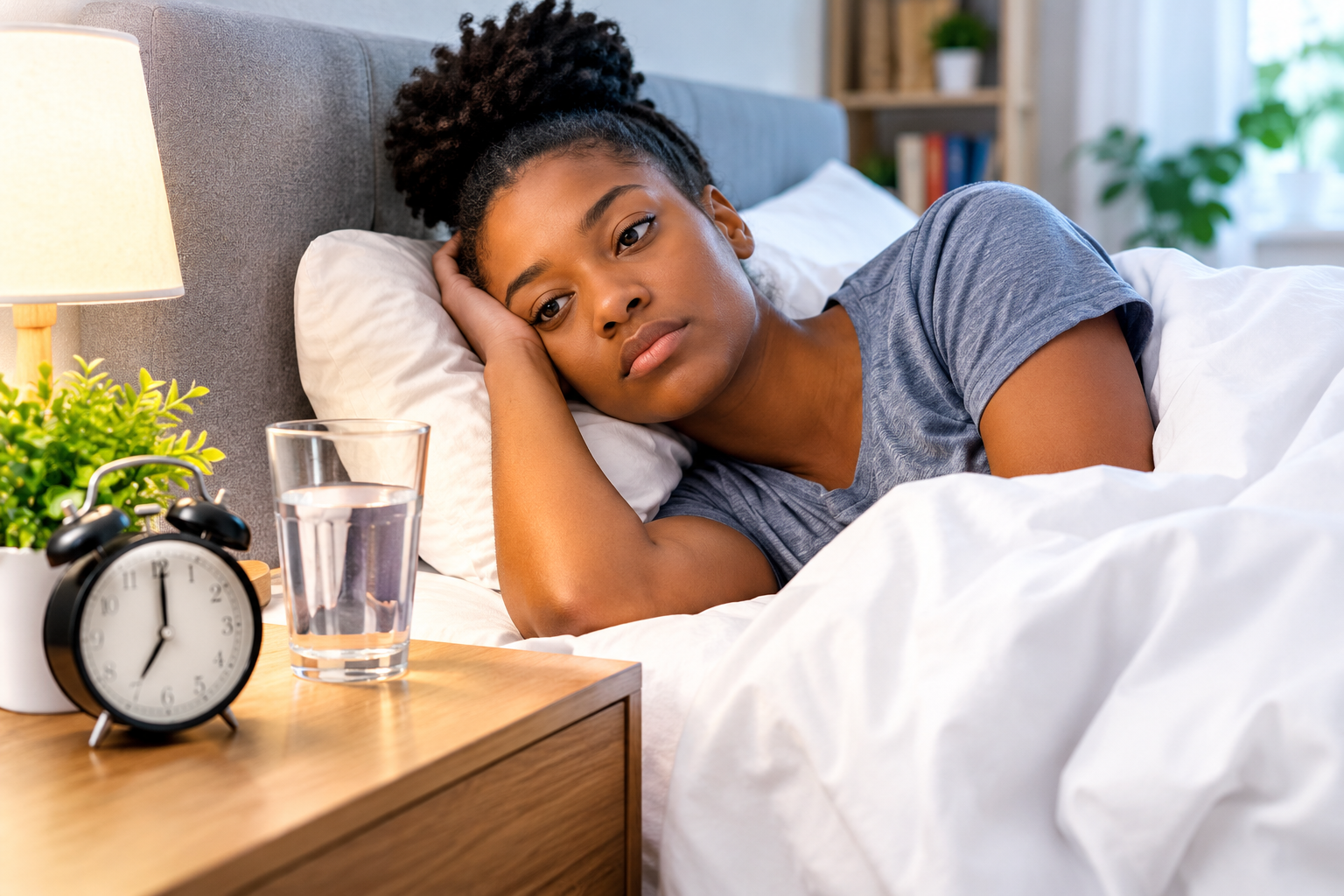
Poor Sleep Quality and Unhealthy Daily Habits
One of the most common reasons for waking up tired is poor sleep quality. You may spend eight hours in bed without experiencing the continuous, restorative sleep your body needs. Frequent interruptions caused by noise, uncomfortable temperatures, bright lights, or notifications from your phone can prevent you from resting properly. You might not remember waking up during the night, yet these interruptions can still leave you feeling unrefreshed in the morning.
Your bedtime routine can also affect your sleep. Drinking coffee, strong tea, or other caffeinated beverages late in the afternoon or evening may make it harder to fall asleep. Caffeine can remain in the body for several hours, meaning a drink consumed in the evening may affect your ability to rest at night. Alcohol can also interfere with sleep quality, even when it initially makes you feel sleepy.
Another factor is an inconsistent sleeping schedule. Going to bed at different times every night and waking up at irregular hours can disrupt your body's internal clock. Working late, scrolling through social media in bed, or watching videos until the early morning may gradually create a pattern that leaves you tired during the day.
To improve sleep quality, establish a regular bedtime and wake-up time, including on weekends when possible. Keep your bedroom quiet, dark, and comfortable. Reduce screen use before bed, and create a relaxing routine such as reading, taking a warm shower, or listening to calm music. Avoid caffeine close to bedtime and allow enough time for sleep. Most adults generally need at least seven hours of sleep each night, although individual needs vary. If you already sleep sufficiently but remain exhausted, consider other possible causes rather than simply spending more time in bed.
Stress, Poor Nutrition, and Lack of Physical Activity
Your lifestyle during the day can significantly influence how you feel the following morning. Stress is one important factor. When you are worried about money, relationships, work, studies, or family responsibilities, your mind may remain active even when your body is ready to rest. You might lie awake thinking about problems, wake up repeatedly, or sleep lightly. Over time, ongoing stress can contribute to exhaustion, irritability, and difficulty concentrating.
Poor nutrition may also affect your energy levels. Skipping meals, eating too little, or relying heavily on foods that provide limited nutritional variety can make it harder to meet your body's needs. Iron deficiency, for example, can cause anaemia, which may lead to tiredness, weakness, dizziness, or shortness of breath. Other nutritional deficiencies can also contribute to fatigue. However, tiredness alone cannot confirm a deficiency, and taking supplements without appropriate advice may be unnecessary or harmful.
Physical inactivity is another possible contributor. Spending most of the day sitting can reduce opportunities to build stamina and may affect sleep quality. Although exercise can feel difficult when you are already tired, regular movement may help improve energy, mood, and sleep for many people. You do not need an expensive gym membership or an intense workout to begin. Walking, stretching, dancing, cycling, or doing household chores can provide opportunities to move your body.
Try to manage stress through realistic daily habits. Break overwhelming tasks into smaller steps, take short breaks, and talk with someone you trust when problems feel difficult to handle alone. Eat regular, balanced meals that include a variety of foods, drink enough water, and introduce physical activity gradually. Avoid blaming yourself if tiredness makes these changes challenging. Start with manageable actions and increase them as your energy improves. If stress, anxiety, or low mood continues to interfere with everyday life, consider speaking with a qualified health professional.
Underlying Health Conditions and When to Seek Help
Sometimes, persistent tiredness after sleeping is connected to a medical condition rather than lifestyle habits. Sleep apnoea is one example. It causes breathing to repeatedly stop and start during sleep, which can interrupt normal rest. Loud snoring, gasping during the night, morning headaches, and excessive daytime sleepiness may be warning signs. Anyone experiencing these symptoms should discuss them with a healthcare professional.
Other conditions can also contribute to fatigue. An underactive thyroid may slow several body processes and cause tiredness, sensitivity to cold, constipation, or unexplained weight changes. Diabetes can cause fatigue alongside symptoms such as increased thirst, frequent urination, and changes in weight. Anaemia, certain infections, chronic pain, and some medications may also leave a person feeling exhausted despite adequate sleep.
Mental health conditions, including depression, can affect sleep patterns and energy levels. Some people sleep much more than usual but still feel tired, while others struggle to sleep at all. Persistent sadness, loss of interest in usual activities, changes in appetite, or difficulty managing daily responsibilities may indicate a need for professional support. These symptoms can have different causes, so it is important not to diagnose yourself based on a single sign.
Seek medical advice if tiredness lasts for several weeks, keeps returning, worsens, or affects your ability to work, study, drive, or perform normal activities. A healthcare professional may ask about your sleep, diet, medicines, and other symptoms before deciding whether tests or treatment are appropriate. Seek urgent medical care if fatigue occurs with chest pain, severe difficulty breathing, fainting, confusion, or other sudden, serious symptoms.

Feeling tired even after sleeping can result from poor sleep quality, stress, unhealthy daily habits, nutritional problems, or an underlying medical condition. Improving your bedtime routine, eating balanced meals, staying physically active, and managing stress may help restore your energy. However, persistent tiredness should not be ignored or automatically blamed on laziness. Pay attention to your symptoms and seek professional advice when necessary. With the right approach, you can better understand what is affecting your rest and take practical steps toward feeling more refreshed and energetic each day.

You must be logged in to post a comment.