

1. Introduction to Clinical Mechanical Innovation
The integration of mechanical innovation in clinical settings has transformed healthcare delivery, improving accuracy, efficiency, and patient outcomes. Clinical mechanical innovation encompasses a wide range of technologies, from robotic surgical systems to artificial intelligence in diagnostics, and from wearable health devices to 3D printing of medical implants.
These innovations address critical challenges in healthcare, such as reducing human error, enhancing precision in medical procedures, and providing real-time health monitoring. The growing intersection of engineering and medicine has led to the development of sophisticated tools that not only assist healthcare professionals but also empower patients to manage their health better.
With the rapid evolution of technology, clinical mechanical innovation continues to push the boundaries of what is possible in healthcare, promising a future where medical care is more personalized, efficient, and accessible to all.
2. Robotic Surgery: Precision and Efficiency
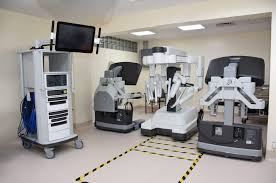
Robotic surgery has emerged as a game-changer in modern medicine, offering unparalleled precision, flexibility, and control during surgical procedures. Systems like the da Vinci Surgical System allow surgeons to perform complex operations with minimal invasiveness, leading to reduced recovery times and fewer complications for patients.
- Key Benefits of Robotic Surgery:
- Enhanced precision in delicate procedures.
- Minimally invasive techniques reduce scarring and recovery time.
- Improved visualization through high-definition 3D cameras.
- Greater dexterity with robotic arms compared to human hands.
Robotic surgery is widely used in various medical fields, including urology, gynecology, cardiothoracic surgery, and orthopedic procedures. As technology advances, robotic systems are becoming more sophisticated, with capabilities such as haptic feedback, which allows surgeons to feel the texture and resistance of tissues during operations.
3. AI and Machine Learning in Diagnostics
Artificial Intelligence (AI) and Machine Learning (ML) are revolutionizing the field of diagnostics, enabling faster, more accurate detection of diseases. AI algorithms can analyze vast amounts of medical data, including imaging scans, pathology reports, and genetic information, to identify patterns that may be missed by human eyes.
- Applications of AI in Diagnostics:
- Radiology: AI-powered tools assist radiologists in detecting anomalies in X-rays, MRIs, and CT scans with high accuracy.
- Pathology: Machine learning algorithms analyze tissue samples to diagnose cancers and other diseases.
- Predictive Analytics: AI systems predict disease outbreaks, patient deterioration, and treatment outcomes based on historical data.
The integration of AI in diagnostics not only enhances the accuracy of medical assessments but also speeds up the diagnostic process, allowing for timely interventions and better patient care.
4. Wearable Health Devices and Remote Monitoring
Wearable health devices have become an essential part of modern healthcare, providing continuous monitoring of vital signs and enabling remote patient management. Devices such as smartwatches, fitness trackers, and wearable ECG monitors collect real-time health data, which can be shared with healthcare providers for analysis.
- Advantages of Wearable Health Devices:
- Continuous monitoring of heart rate, blood pressure, and glucose levels.
- Early detection of potential health issues, such as arrhythmias or sleep apnea.
- Empowering patients to take control of their health through real-time feedback.
- Facilitating remote patient monitoring, reducing the need for frequent hospital visits.
Wearable technology is particularly beneficial for managing chronic conditions like diabetes, hypertension, and cardiac diseases, offering patients greater convenience and improving overall health outcomes.

5. 3D Printing in Medicine
3D printing technology has opened new frontiers in personalized medicine, allowing for the creation of customized implants, prosthetics, and even bioprinted tissues. The ability to produce patient-specific medical devices has significantly improved surgical outcomes and patient satisfaction.
- Key Applications of 3D Printing in Medicine:
- Custom Implants and Prosthetics: Tailored to fit the unique anatomy of each patient, ensuring better functionality and comfort.
- Surgical Planning: 3D printed models of patient anatomy help surgeons plan complex procedures with greater accuracy.
- Bioprinting: Printing of tissues and organs using bio-inks made from living cells, with the potential to address organ transplant shortages in the future.
3D printing reduces the time and cost associated with traditional manufacturing methods and allows for rapid prototyping and production of medical devices, making high-quality healthcare more accessible.

You must be logged in to post a comment.