

Ongoing Israel-Gaza Conflict: A Humanitarian Crisis Deepens
As of April 15, 2025, the Israel-Gaza conflict continues to escalate, marked by intensified Israeli military operations and a deepening humanitarian crisis in the Gaza Strip. The recent wave of violence has drawn international concern due to the high number of civilian casualties and the destruction of vital infrastructure.
Recent Escalations and Civilian Impact
In recent days, Israeli airstrikes have targeted various locations across Gaza, resulting in significant civilian casualties. One of the most alarming incidents occurred when Israeli missiles struck Al-Ahli Arab Baptist Hospital in Gaza City. This hospital was one of the few remaining operational medical facilities in the region, and its damage forced the evacuation of patients and medical staff. The loss of such a critical healthcare center has further strained an already overwhelmed health system struggling to cope with the continuous influx of injured civilians.
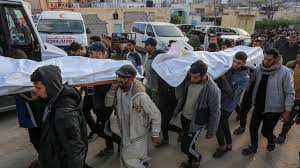
Earlier, a large-scale assault was launched on the city of Khan Younis, particularly in the Bani Suheila area.
The offensive involved intense airstrikes and tank shelling, which led to the deaths of dozens of Palestinians and left hundreds injured. These operations were carried out following evacuation orders that gave civilians limited time to flee the area, leaving many trapped in unsafe zones with no secure place to go.
The repeated military strikes have led to the destruction of residential buildings, schools, and even places of worship. Entire neighborhoods have been reduced to rubble, leaving thousands homeless. The psychological toll on Gaza's civilian population, especially children, is immeasurable, with reports of widespread trauma, fear, and anxiety becoming increasingly common.
A Worsening Humanitarian Crisis
The ongoing conflict has devastated Gaza's infrastructure. The healthcare system is nearing collapse, with only a fraction of hospital beds available for a population of over two million people. Most hospitals are operating at or beyond their capacity, lacking essential supplies such as medications, electricity, clean water, and even fuel to run generators.
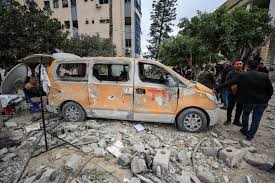
In addition to healthcare challenges, the displacement of people has reached catastrophic levels.
A large portion of Gaza's population has been forced to flee their homes due to evacuation orders, airstrikes, or fear of further violence. Many are now crammed into overcrowded shelters, schools, or makeshift camps with limited access to basic services.
The majority of Gaza's water supply is contaminated or unavailable, electricity is scarce, and sanitation systems have collapsed in many areas. This lack of basic services has raised fears of disease outbreaks, especially among children and the elderly. The already fragile humanitarian conditions have been worsened by restricted access for aid convoys, further hampering relief efforts.

International Response and Allegations
The international community is deeply divided on the issue. While some countries have called for an immediate ceasefire and a diplomatic resolution, others continue to support Israel’s right to defend itself against perceived threats. Human rights organizations, however, have raised serious concerns over the scale and nature of Israel’s military operations.
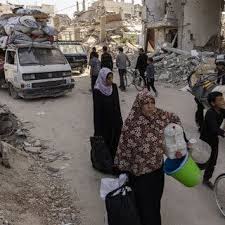
Accusations of disproportionate force and deliberate targeting of civilian infrastructure have surfaced.
Some groups have gone further to claim that these actions could amount to war crimes or even genocide, citing the high civilian death toll and the extensive damage to critical services such as hospitals, water networks, and food distribution centers.
Despite growing calls for accountability and justice, diplomatic efforts remain largely stalled. Talks of peace or ceasefire agreements have not made substantial progress, and tensions continue to rise. Meanwhile, the civilian population in Gaza bears the brunt of the conflict, facing daily uncertainty, fear, and loss.
A Call for Urgent Action
The current situation in Gaza is nothing short of catastrophic. With each passing day, the human toll rises, and the prospects for peace seem more distant. The world watches as children, women, and the elderly suffer the consequences of a conflict that shows no signs of abating.
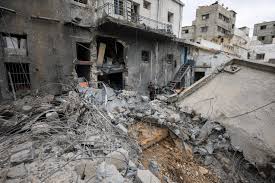
There is an urgent need for a coordinated international response that prioritizes humanitarian aid,
protection of civilians, and efforts to de-escalate the conflict. Ceasefire agreements must be pursued, and meaningful dialogue between all parties is essential to pave the way toward a long-lasting and just resolution.
In conclusion, the Israel-Gaza conflict is no longer just a political or military confrontation—it has become a humanitarian disaster. Only through immediate

You must be logged in to post a comment.