

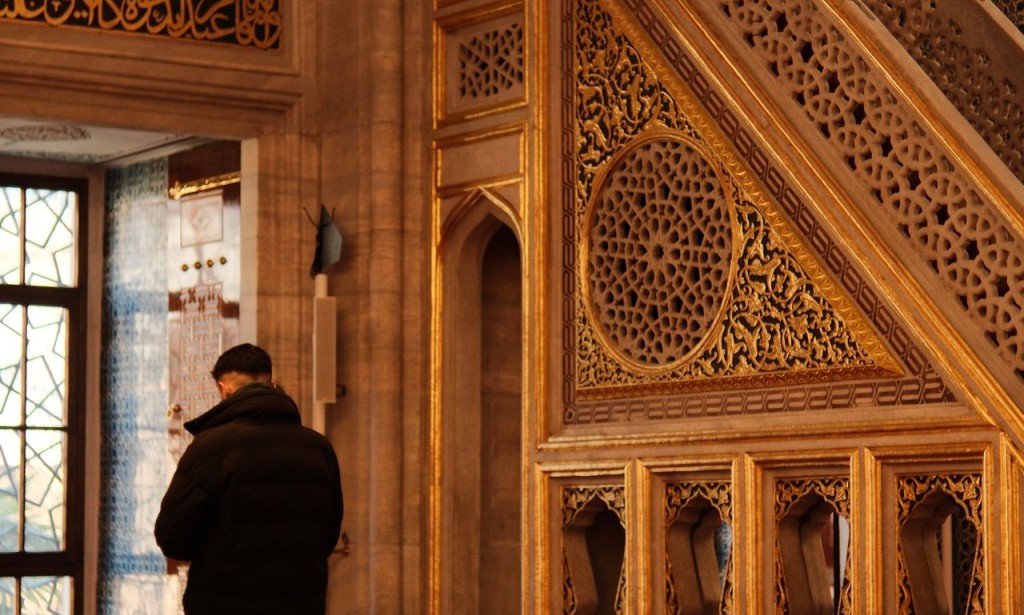
Why Namaz Matters in Our Life
Namaz is one of the five pillars of Islam. For me, it is not just a duty; it is a direct connection with Allah. When I pray, I feel like I am talking to Allah, thanking Him for everything. He has given me, and I am asking Him for guidance. But Namaz is not only about spirituality. It also moves our body in a gentle way. We stand, we bend, we sit, and we go into Sajda. In our busy life, where we sit for hours in front of a mobile and laptop, these small movements give our body a much-needed break. Islam never separates our soul from our body. Allah says in the Quran:
"And I did not create jinn and humans except to worship Me." (Surah Adh-Dhariyat, 51:56)
This verse always reminds me that worship is the real purpose of our life. When we pray five times a day, we do not just pray; we also pause, breathe, and reconnect with our purpose.
Wudu and the Gentle Movements of Namaz
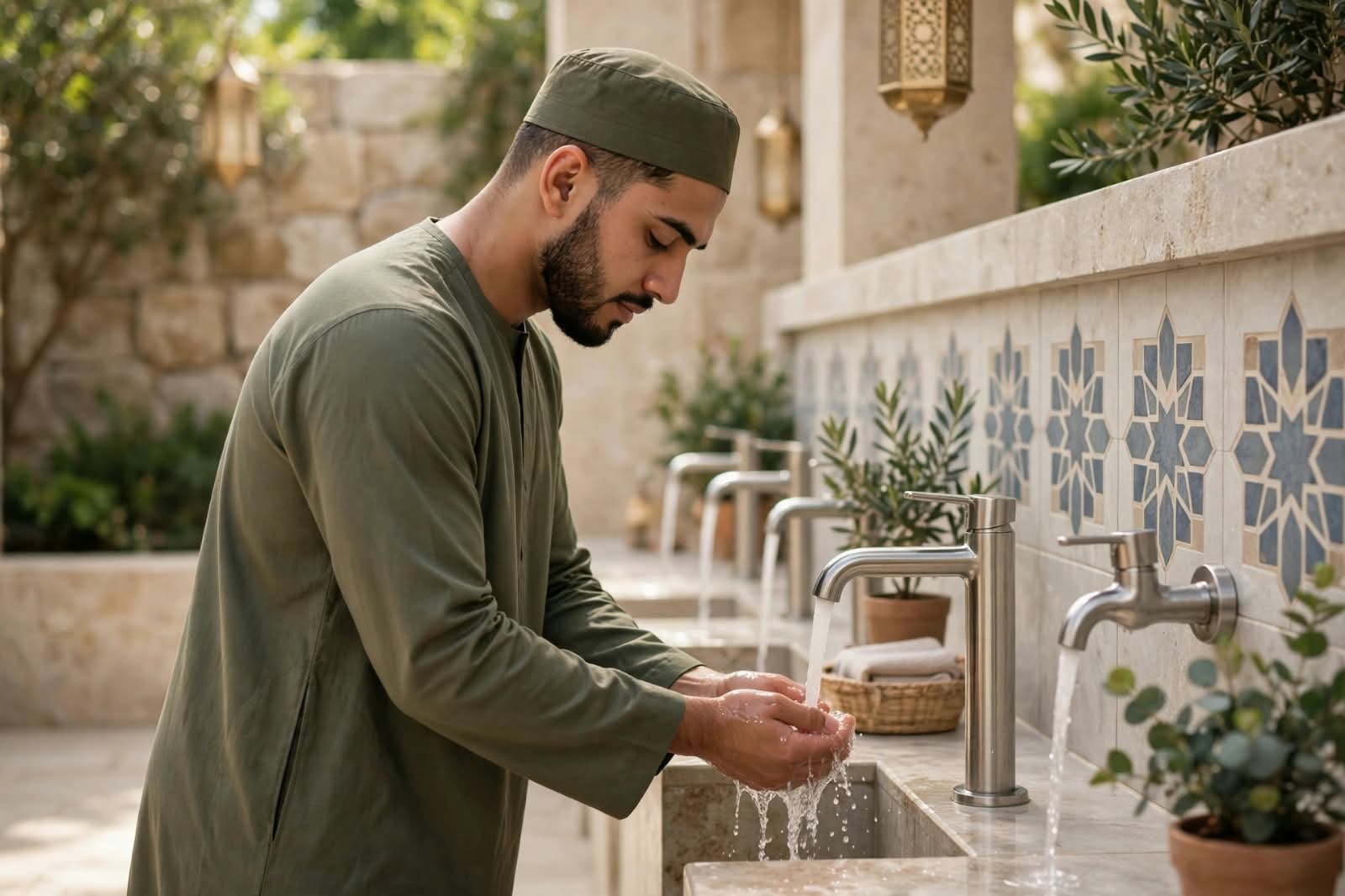
Before Namaz, we do Wudu. We wash our hands, face, arms, and feet. It makes us feel fresh, especially when we are tired or sleepy. Wudu teaches us that cleanliness is a part of our faith.
Allah says:
"Allah does not intend to make difficulty for you, but He intends to purify you..." (Surah Al-Ma'idah, 5:6)
And our Prophet Muhammad ﷺ said:
"Purification is half of faith." (Sahih Muslim, Hadith 223)
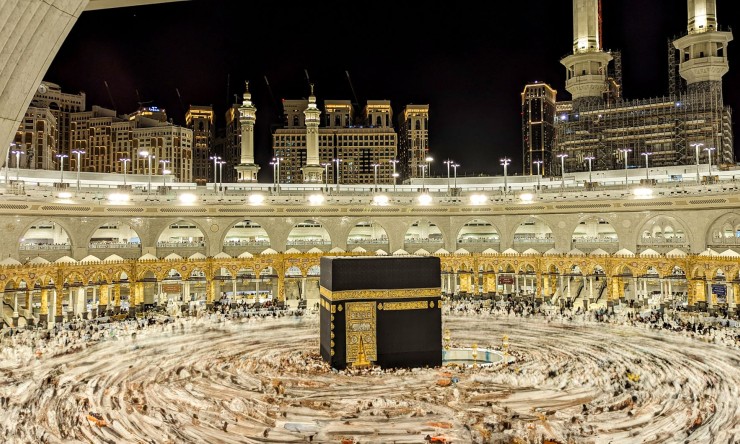
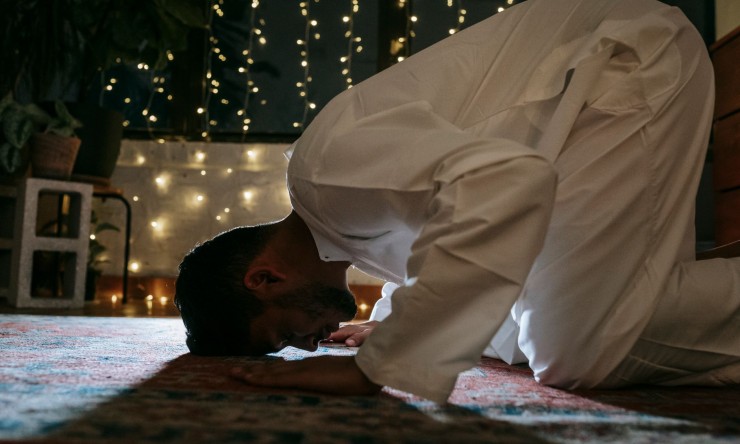
After Wudu, we stand in Qiyam. We face the Qiblah and recite Surah Al-Fatihah. For those few minutes, our mind moves away from work, studies, and tension. It feels like a short mental break. Then we go into Ruku. We bend forward and place our hands on our knees. This simple movement stretches our back and legs. Then comes Sajda, which is my favorite part. We put our forehead on the ground. It is the moment when we feel closest to Allah. The Prophet ﷺ said:
"The closest a servant is to his Lord is when he is prostrating, so increase supplication." (Sahih Muslim, Hadith 482)
After Sajda, we sit in Qa'dah. Then at the end, we turn our faces right and left and say Salam. It is a beautiful reminder of peace. All these movements together make Namaz a gentle daily activity for our body. But we should remember, its main purpose is worship. Any physical benefit is just an extra blessing from Allah.
Namaz and Mental Peace
One of the best things about Namaz is the peace it gives to our heart. Today, everyone is stressed. Students worry about exams, parents worry about family, and many people worry about money. Sometimes it all feels too much. In those moments, Namaz gives us a chance to stop and turn to Allah. Five times a day, we leave our worries for a few minutes and remember that we are not alone. Allah says:
"O you who have believed, seek help through patience and prayer. Indeed, Allah is with the patient." (Surah Al-Baqarah, 2:153)
When I read this verse, I feel comforted. It reminds me that Allah knows what is in my heart.
The Quran also says:
"Indeed, prayer prohibits immorality and wrongdoing, and the remembrance of Allah is greater." (Surah Al-Ankabut, 29:45)
This means Namaz does not just change our routine; it changes our character. It teaches us to be honest, kind, and patient. Our Prophet Muhammad ﷺ also found comfort in prayer. Hazrat Hudhayfah (RA) said that whenever something worried the Prophet ﷺ, he would offer prayer. (Sunan Abi Dawud, Hadith 1319)
And he once said to Hazrat Bilal (RA):
"O Bilal, give the call to prayer and bring us comfort through it." (Sunan Abi Dawud, Hadith 4985)
For him, Namaz was not just a duty. It was comfort. Namaz also teaches us discipline. Because we have to pray five times on time, we start managing our day better. It makes us punctual and organized. Of course, Namaz is not a treatment for depression or anxiety. If someone is struggling for a long time, they should also take help from a doctor. But as a Muslim, prayer gives us hope and emotional strength.
Namaz is a blessing
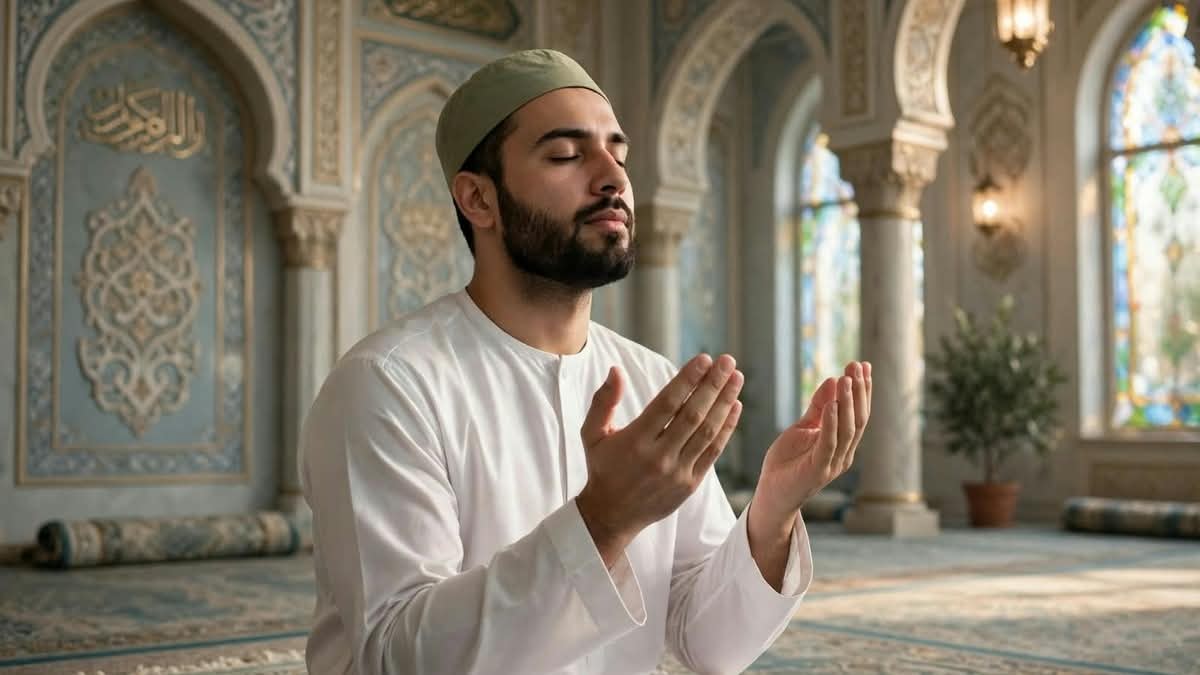
When we look at Namaz as a whole, it connects everything: our body, mind, and soul. It is not just a few movements that we repeat five times a day. It is a complete system that Allah has given us to keep our life balanced. Wudu teaches us cleanliness. Every time we wash our hands, face, and feet, we remind ourselves that Islam loves purity. Qiyam teaches us focus. When we stand in front of Allah and recite the Quran, we learn to leave the world behind for a few minutes. Ruku and Sajda teach us humility. When we bend and put our forehead on the ground, we remember that we are nothing in front of Allah, and He is everything. And Salam ends our prayer with peace. When we turn our faces right and left, we spread a message of peace and love for everyone around us. We should not pray only for health benefits. And Namaz is not a replacement for good food, sleep, exercise, or medical care. Islam never asks us to harm ourselves. If someone is sick, has knee pain, or cannot stand for a long time, Islam gives them ease. They can pray sitting or in any way that is comfortable for them. We should always pray according to our ability, because Allah never burdens anyone more than they can bear. Next time when we stand for Namaz, let us remember that it is not just a routine. It is not something we have to finish quickly. It is a chance to stand in front of Allah, share our worries with Him, and renew our faith. It is a chance to say, "Ya Allah, I am here; please help me." When we pray with this feeling, our heart feels light and our life feels more organized. May Allah help us to pray with sincerity, understand its true meaning, and find peace in His remembrance. May He accept our Salah and make it a source of strength for us in this life and in the Hereafter. Ameen.




Comments 0
Sign in to join the conversation.
No comments yet. Be the first to say something.