

1. Introduction to the Modern Revolution
The Modern Revolution, spanning from the late 18th to the early 20th century, marked a period of unprecedented technological and mechanical advancements. This era, often synonymous with the Industrial Revolution, witnessed the transition from manual labor to mechanized production, fundamentally altering various aspects of human life.
Mechanical innovations during this period were driven by the need for increased efficiency, mass production, and economic growth. The development of new machinery, powered by steam, electricity, and later internal combustion engines, laid the foundation for modern industries. The revolution not only transformed manufacturing processes but also had profound impacts on transportation, agriculture, and communication, setting the stage for contemporary technological advancements.
2. Key Mechanical Innovations and Their Impact
Several groundbreaking mechanical innovations emerged during the Modern Revolution, each contributing to the era’s transformative nature.
- The Steam Engine: Perfected by James Watt, the steam engine became the driving force behind factories, ships, and locomotives, enabling mass production and efficient transportation.
- The Spinning Jenny and Power Loom: These textile machines revolutionized the textile industry, increasing production speed and reducing reliance on manual labor.
- The Bessemer Process: This method of steel production, developed by Henry Bessemer, made steel more affordable and accessible, leading to advancements in construction, transportation, and manufacturing.
- Mechanical Reaper and Threshing Machine: Innovations in agriculture that increased productivity and reduced the need for manual labor, supporting population growth and urbanization.
These innovations not only enhanced productivity but also spurred economic growth, creating new industries and employment opportunities. The widespread adoption of mechanical technologies marked the beginning of modern industrial society.

3. The Rise of Manufacturing and Industrialization
The mechanical advancements during the Modern Revolution catalyzed the rise of manufacturing and industrialization, transforming economies from agrarian-based to industrial powerhouses.
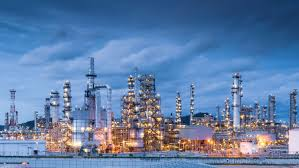
Factories equipped with mechanized tools and assembly lines replaced traditional workshops, enabling mass production of goods. This shift led to urbanization, as people migrated to cities in search of employment in factories. Industries such as textiles, steel, and chemicals flourished, contributing to the economic dominance of industrialized nations.
The concept of division of labor, popularized by Adam Smith, became a cornerstone of manufacturing, enhancing efficiency and productivity. Innovations such as the steam engine and mechanized looms reduced production costs, making goods more affordable and accessible to a broader population.
However, this rapid industrialization also brought challenges, including poor working conditions, child labor, and environmental degradation, sparking labor movements and demands for reforms.
4. Innovations in Transportation and Communication
Mechanical advancements during the Modern Revolution also revolutionized transportation and communication, shrinking distances and facilitating global trade and interaction.
- Railways and Locomotives: The development of railways enabled the rapid movement of goods and people, connecting distant regions and fostering economic growth. The first public railway, the Stockton and Darlington Railway, marked the beginning of modern rail transport.
- Steamships: Replacing sailing ships, steam-powered vessels reduced travel time across oceans, boosting international trade and exploration.
- Automobiles: The invention of the internal combustion engine paved the way for the automobile industry, with pioneers like Karl Benz and Henry Ford leading the way. Ford’s assembly line production made cars affordable to the masses.
- Telegraph and Telephone: Communication was revolutionized by Samuel Morse’s telegraph and Alexander Graham Bell’s telephone, enabling instant communication over long distances and transforming business and personal interactions.
These innovations not only enhanced connectivity but also laid the groundwork for modern transportation and communication systems, facilitating the exchange of ideas, goods, and cultures on a global scale.
5. Legacy and Long-term Effects of Mechanical Advancements
The mechanical advancements during the Modern Revolution left a lasting legacy, shaping the modern world in numerous ways.
The industrialization driven by mechanical innovations laid the foundation for economic growth, technological progress, and societal transformation. The mechanization of industries increased productivity, reduced costs, and improved living standards for many.
The transportation and communication systems developed during this period facilitated global trade, cultural exchange, and economic integration, leading to the interconnected world we live in today. Innovations in manufacturing and agriculture supported population growth and urbanization, while advancements in engineering and construction transformed cityscapes with skyscrapers, bridges, and rail networks.
However, the rapid industrialization also brought challenges, including environmental pollution, labor exploitation, and social inequalities, many of which continue to be addressed today. The spirit of innovation and technological progress that characterized the Modern Revolution continues to inspire modern-day advancements in various fields, from automation and artificial intelligence to renewable energy and space exploration.

You must be logged in to post a comment.