


In the evolving landscape of e-commerce, hyperlocal strategies have emerged as a game-changing approach. By focusing on proximity and catering to specific localities, hyperlocal e-commerce bridges the gap between customers and nearby businesses, offering faster deliveries and fostering local brand loyalty. This article explores the concept, benefits, and strategies for implementing hyperlocal e-commerce successfully.
1. What is Hyperlocal E-Commerce?
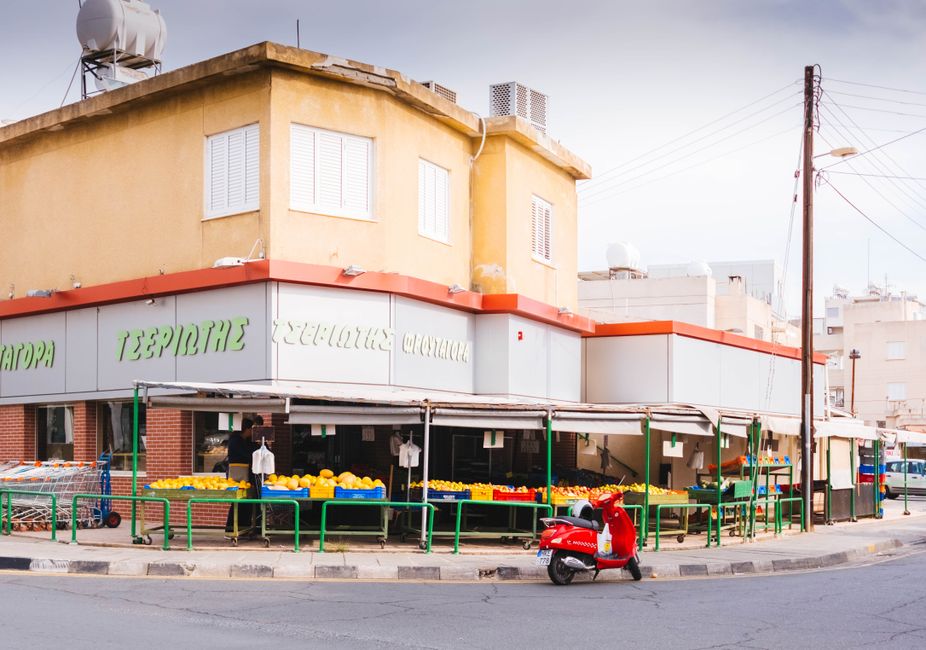
Hyperlocal e-commerce refers to a business model where goods and services are delivered within a specific geographical area, typically a few miles or less. It connects local merchants, delivery partners, and customers through digital platforms.
Key Features of Hyperlocal E-Commerce:
- Focuses on small, defined areas.
- Relies on real-time inventory and logistics.
- Prioritizes speed and convenience.
Examples:
- Food delivery services like Uber Eats or DoorDash.
- Grocery delivery platforms like Instacart.
- Local service marketplaces such as UrbanClap or Thumbtack.
2. Why Hyperlocal E-Commerce is Gaining Traction
A. Demand for Speed
Consumers increasingly expect same-day or even one-hour deliveries. Hyperlocal models meet these expectations by leveraging nearby resources.
B. Localized Customer Preferences
Hyperlocal businesses understand and cater to the unique preferences of their communities.
C. Support for Local Economies
Hyperlocal platforms empower small businesses, enabling them to compete with larger players.
D. Rise of Mobile Commerce
Smartphone usage and location-based services have made hyperlocal shopping easier and more accessible.
3. Benefits of Hyperlocal E-Commerce
A. Faster Deliveries
By reducing the distance between warehouses or stores and customers, hyperlocal models ensure prompt service.
B. Enhanced Customer Loyalty
Supporting local businesses creates a sense of community, encouraging repeat purchases.
C. Cost Efficiency
Shorter delivery distances often reduce logistics costs for businesses.
D. Sustainability
Hyperlocal models contribute to environmental sustainability by minimizing transportation emissions.
E. Real-Time Inventory Management
Integration with local stores enables up-to-date inventory tracking, reducing the chances of stockouts.
4. Strategies for Implementing Hyperlocal E-Commerce
A. Build Strong Local Partnerships
Collaborate with local merchants and delivery partners to establish a reliable supply chain.
- Example: Partnering with local grocery stores or restaurants.
B. Invest in Technology
Use advanced tools to streamline operations and enhance customer experiences.
- Must-Have Features:
- GPS tracking for deliveries.
- Real-time inventory management systems.
- Mobile-friendly platforms with location-based services.
C. Focus on Customer Experience
Deliver seamless and personalized experiences by offering features like:
- Flexible delivery options.
- Live order tracking.
- Customer support through chatbots or local agents.
D. Leverage Data Analytics
Analyze purchasing patterns and local trends to optimize offerings and marketing strategies.
E. Prioritize Last-Mile Delivery
Efficient last-mile logistics are critical for hyperlocal success.
- Use bicycles or electric scooters for eco-friendly deliveries.
- Employ local delivery personnel who know the area well.
F. Embrace Community Engagement
Strengthen ties with local communities through:
- Sponsorships of local events.
- Promoting eco-friendly initiatives.
- Featuring local artisans or specialty products.

5. Challenges in Hyperlocal E-Commerce
A. Scalability Issues
Managing operations across multiple localities can become complex.
- Solution: Use scalable technology platforms and standardize processes.
B. High Logistics Costs for Small Orders
Frequent, low-value orders may strain profitability.
- Solution: Implement minimum order values or delivery fees.
C. Real-Time Inventory Management
Ensuring accurate inventory updates can be challenging for small businesses.
- Solution: Invest in POS systems integrated with online platforms.
D. Limited Awareness Among Local Merchants
Smaller merchants may hesitate to adopt hyperlocal platforms due to a lack of technical expertise.
- Solution: Offer training and support for onboarding.
6. Case Studies: Successful Hyperlocal E-Commerce Models
A. Swiggy (India)
- Initially focused on hyperlocal food delivery.
- Expanded to grocery and essentials with its Swiggy Genie service.
B. Instacart (USA)
- Partners with local grocery stores to deliver fresh produce within hours.
- Leverages AI for personalized recommendations and order management.
C. Rappi (Latin America)
- Provides hyperlocal delivery for food, groceries, and even cash withdrawal services.
- Focuses on building strong local partnerships and efficient logistics.
7. Future Trends in Hyperlocal E-Commerce
A. Drone Deliveries
Drones will make hyperlocal deliveries faster and more efficient, particularly for urban areas.
B. AI-Powered Predictive Logistics
AI will optimize delivery routes and predict demand surges based on local events or weather conditions.
C. Hyperlocal Marketplaces
E-commerce platforms will expand to include services like cleaning, repair, and wellness sessions, offering a one-stop-shop for local needs.
D. Blockchain for Transparency
Blockchain technology will enhance trust by providing transparent tracking of orders and payments.
E. Sustainability as a Core Value
Hyperlocal businesses will focus on green initiatives, such as using recyclable packaging or renewable energy sources.
8. Measuring Success in Hyperlocal E-Commerce
Key Metrics:
- Delivery Times: Average time taken to fulfill orders.
- Customer Retention Rates: Percentage of customers making repeat purchases.
- Order Frequency: Average number of orders per customer per month.
- Local Merchant Growth: Increase in revenue or sales for partner businesses.
- Environmental Impact: Reduction in carbon emissions and waste.

Conclusion
Hyperlocal e-commerce is redefining the way consumers shop by emphasizing speed, proximity, and community engagement. By leveraging local resources and advanced technology, businesses can cater to the growing demand for instant gratification while fostering meaningful connections with their communities.







Comments 0
Sign in to join the conversation.
No comments yet. Be the first to say something.