

Polio Virus in Pakistan: A Complete Guide to the Disease, Prevention, and Eradication
Introduction to Polio in Pakistan
Polio remains an important public health concern in Pakistan despite decades of vaccination efforts and improvements in healthcare. Polio, or poliomyelitis, is a highly infectious viral disease that primarily affects children under five.
It can attack the nervous system and cause permanent paralysis, making prevention through vaccination extremely essential. Pakistan has made significant progress over the years in reducing the number of cases of polio. Still, the virus continues to spread in some areas, posing a threat to children who have not received full immunization. Pakistan is one of the last countries in the world where wild poliovirus transmission continues. Government health departments, international organizations, medical professionals, and vaccination teams are working together to eliminate the disease. Door-to-door vaccination campaigns, routine immunization services, public awareness programs, and environmental monitoring are significant parts of this effort. Vaccine coverage, access to remote communities, misinformation, and security concerns remain obstacles for the nation, despite progress. In order to eradicate polio, healthcare providers, parents, communities, and government agencies must continue to work together.
What Is the Poliovirus?
The enterovirus family includes the highly contagious poliovirus. It mainly spreads through contaminated food, water, or contact with infected individuals, particularly in places where sanitation and hygiene conditions are poor. Many people infected with poliovirus may not develop noticeable symptoms, but they can still contribute to the spread of infection. In some cases, the virus reaches the nervous system and damages nerve cells responsible for controlling movement.
Polio is especially dangerous because there is no specific cure that can reverse paralysis caused by the virus. Although medical treatment can support recovery and help manage symptoms, it cannot reliably restore damaged nerve cells. Because of this, children are thought to be most protected from polio through vaccination. People of all ages can get the virus, but young children who haven't been properly vaccinated run the greatest risk of getting a severe illness. Therefore, preventing infection before exposure is a primary objective of public health programs. How the body is affected by the poliovirus: When poliovirus enters the body, it initially multiplies in the throat and digestive system. The immune system responds by producing defenses against the infection, and many infected individuals recover without developing serious illness. However, in a small proportion of cases, the virus can reach the central nervous system, including the spinal cord. Damage to nerve cells can interfere with communication between the brain and muscles, impacting normal movement and muscle control.
The effects of poliovirus can vary considerably from person to person. Some people experience mild symptoms, while others develop serious neurological complications. When the virus damages motor neurons, the muscles they control may become weak or lose their ability to function normally. This damage can lead to permanent disability. The severity of the disease depends on several factors, including the extent of nervous system involvement and the person's immune response. Understanding how the virus affects the body helps explain why vaccination and early medical evaluation are so important.
Current Polio Situation in Pakistan
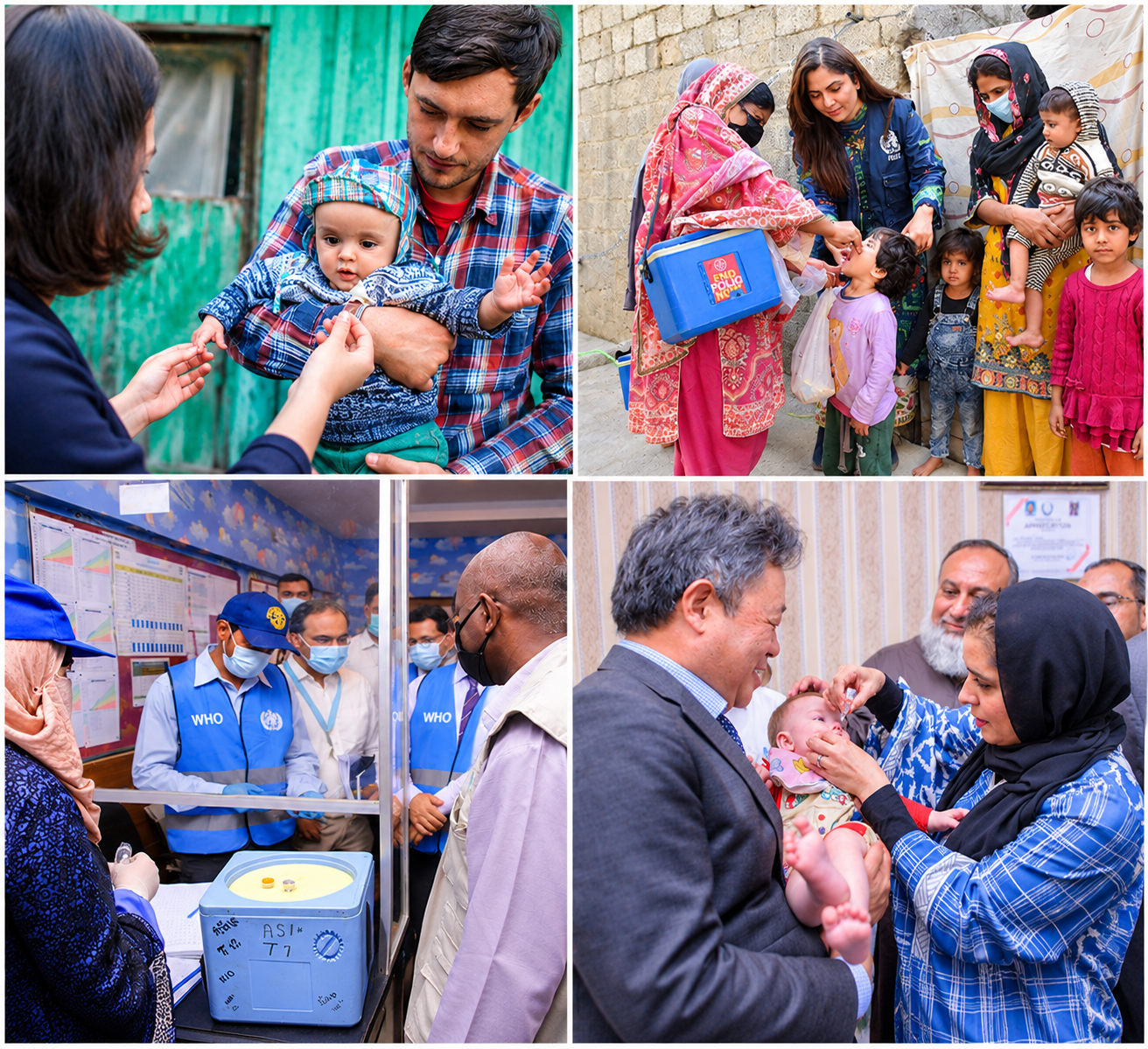
Pakistan continues to face challenges in eliminating wild poliovirus, although vaccination campaigns have significantly reduced the disease compared with previous decades. Health authorities conduct nationwide and targeted vaccination drives to reach children in high-risk districts. These campaigns are designed to close immunity gaps, particularly in communities where routine vaccination coverage is low or where children have missed previous doses.
According to Pakistan's Polio Eradication Initiative, the November 2026 sub-national campaign vaccinated more than 24 million children under five across 97 districts between November 2 and November 8. More than 200,000 frontline workers participated in the campaign, delivering vaccines through door-to-door visits, schools, transit points, and vaccination centers. The program reported nine polio cases nationally so far in 2026 in its November 12 update.
The figures demonstrate that large vaccination campaigns can reach millions of children, but they also show why sustained efforts are necessary. Polio transmission can continue in communities where vaccination coverage is uneven. A country cannot eliminate the virus simply by vaccinating most children; every community must have strong immunity to prevent continued circulation. Areas with persistent virus detection therefore remain a priority for health authorities.
Polio Cases and Recent Statistics
Pakistan has reduced paralytic polio cases dramatically since the early 1990s. The Pakistan Polio Eradication Initiative reports that the country experienced an estimated 20,000 cases in the early 1990s, compared with 31 reported cases in 2025. This represents a major public health improvement achieved through vaccination, surveillance, and repeated campaigns. However, the continued presence of cases means eradication has not yet been achieved.
Recent surveillance reports have identified ongoing concerns in parts of Khyber Pakhtunkhwa and Sindh, including Karachi. Insecurity, population movement, and access restrictions make it difficult to consistently reach children in some areas. The World Health Organization has also highlighted continuing transmission in areas of Pakistan and Afghanistan, emphasizing the importance of cross-border coordination.
The following figures reflect reports available in November 2026 and may change as surveillance data is updated.
Indicator | Latest reported information |
Polio cases in 2025 | 31 |
Polio cases in 2026 | 9 as of Nov. 12 programme update |
Children vaccinated in Nov. 2026 campaign | More than 24 million |
Districts covered in Nov. campaign | 97 |
Frontline workers involved | More than 200,000 |
Main target group | Children under five |
Source: Pakistan Polio Eradication Initiative.
Why Polio Remains a Problem in Pakistan
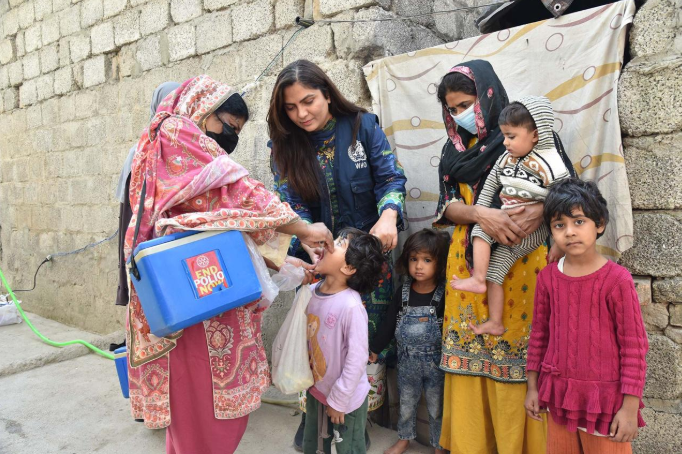
The continued presence of poliovirus in Pakistan is linked to several social, environmental, and operational factors. Despite the significant expansion of vaccination programs, some children are still unvaccinated or receive fewer doses than recommended. In areas where communities are difficult to access, health teams may struggle to reach every household during campaigns. Population movement can also make it challenging to maintain consistent vaccination records and ensure children receive repeated doses.
Another major factor is misinformation and distrust surrounding vaccination. Some families may have questions about vaccine safety, misunderstand the purpose of repeated doses, or receive inaccurate information through social media and community discussions. Limited healthcare access, poor sanitation, and crowded living conditions can further increase the risk of infectious diseases. Polio eradication therefore requires more than distributing vaccines; it also involves building trust, improving public health services, and addressing the conditions that allow viruses to spread.
https://www.unicef.org/pakistan/polio?utm_source=chatgpt.com
Factors Behind Poliovirus Transmission
Several factors can contribute to continued poliovirus transmission in Pakistan. These challenges often overlap, making it difficult to eliminate the disease through a single intervention.
Low vaccination coverage: Children who miss routine immunization or campaign doses may remain vulnerable.
Poor sanitation: Contaminated water and inadequate sanitation can facilitate the spread of the virus.
Population movement: Migration and travel can carry the virus between communities.
Vaccine hesitancy: Misunderstandings or concerns may prevent some families from accepting vaccination.
Access limitations: Remote locations and security problems can make vaccination difficult.
Healthcare inequality: Communities with limited healthcare services may have lower immunization coverage.
Addressing these issues requires coordinated work from local governments, healthcare providers, community leaders, educators, and families.
Common Symptoms of Polio
Polio infections can range from mild illness to severe neurological disease. Many infected people do not develop obvious symptoms, which means the virus may spread without being immediately recognized. Those who do experience symptoms may initially feel similar to people with common viral infections. These symptoms can include fever, tiredness, headache, nausea, stomach discomfort, or general weakness.
In severe cases, poliovirus may affect the nervous system and cause muscle weakness or paralysis. Paralytic polio can affect different parts of the body, and its consequences may be long-lasting. Some affected individuals may require rehabilitation, mobility support, or ongoing medical care. Because symptoms alone cannot confirm polio, suspected cases require professional medical assessment and appropriate laboratory testing.
Common symptoms may include:
Fever
Fatigue
Headache
Nausea or vomiting
Muscle pain
Stiffness
Weakness
Not every person with these symptoms has polio. Many other illnesses can cause similar signs, so medical professionals must evaluate the person rather than relying on symptoms alone.
How Polio Spreads
The fecal-oral route is the primary route by which poliovirus is spread. This indicates that infected feces can enter the mouth of another person and spread the virus, typically through contaminated hands, food, or water. The virus can circulate more easily in areas where sanitation systems are inadequate or where access to clean water is limited. It can also spread to close friends and family, especially in crowded living spaces. Even if a person does not appear to be ill, they could still spread the virus. This makes polio particularly challenging to control because identifying symptomatic individuals alone is not enough to stop transmission. Vaccination helps prevent infection and reduces the chance of the virus circulating within communities. Clean water, proper handwashing, safe food handling, and improved sanitation are also important protective measures.
To cut down on transmission, public health officials use vaccination, surveillance, and education about good hygiene. These efforts assist in locating potential areas of virus spread and directing additional resources toward vulnerable communities
Who Is Most Dangerous?
Due to their vulnerability to infection and its complications, children under the age of five are the primary focus of polio vaccination campaigns. Children who have missed doses of the campaign vaccine or who have not received routine vaccinations may be at greater risk. The risk can also increase in communities where many people remain unvaccinated, allowing the virus to circulate more easily.
People living in areas with limited healthcare facilities, poor sanitation, or frequent population movement may face additional challenges. Families in remote villages, underserved urban neighborhoods, and high-risk districts may have fewer opportunities to access regular immunization services. Children living in these communities need reliable access to vaccines regardless of their location or family circumstances.
Preventing polio is not just someone's responsibility. Community-wide vaccination helps protect children who cannot receive certain vaccines for medical reasons and strengthens overall population immunity. There are fewer opportunities for the virus to spread when vaccination rates are high.
Polio's Long-Term Effects:
Polio can cause serious long-term health consequences when it damages nerve cells that control muscles. The most recognized complication is permanent paralysis, which may affect movement, mobility, and independence. Some individuals may experience difficulties walking or carrying out everyday activities and may need assistive devices, physiotherapy, or long-term rehabilitation.
The impact of polio can extend beyond physical health. Education, employment, transportation, and social participation may be hindered for disabled individuals. Families may also need additional resources to support healthcare, accessibility, and daily living needs. These difficulties emphasize the significance of inclusive schools, accessible public spaces, and supportive communities. Therefore, it is essential to prevent polio not only to avoid acute illness but also to safeguard children's futures. Vaccination helps reduce the risk of lifelong disability and supports healthier communities where children can grow, learn, and participate in everyday life.
Polio Vaccination in Pakistan
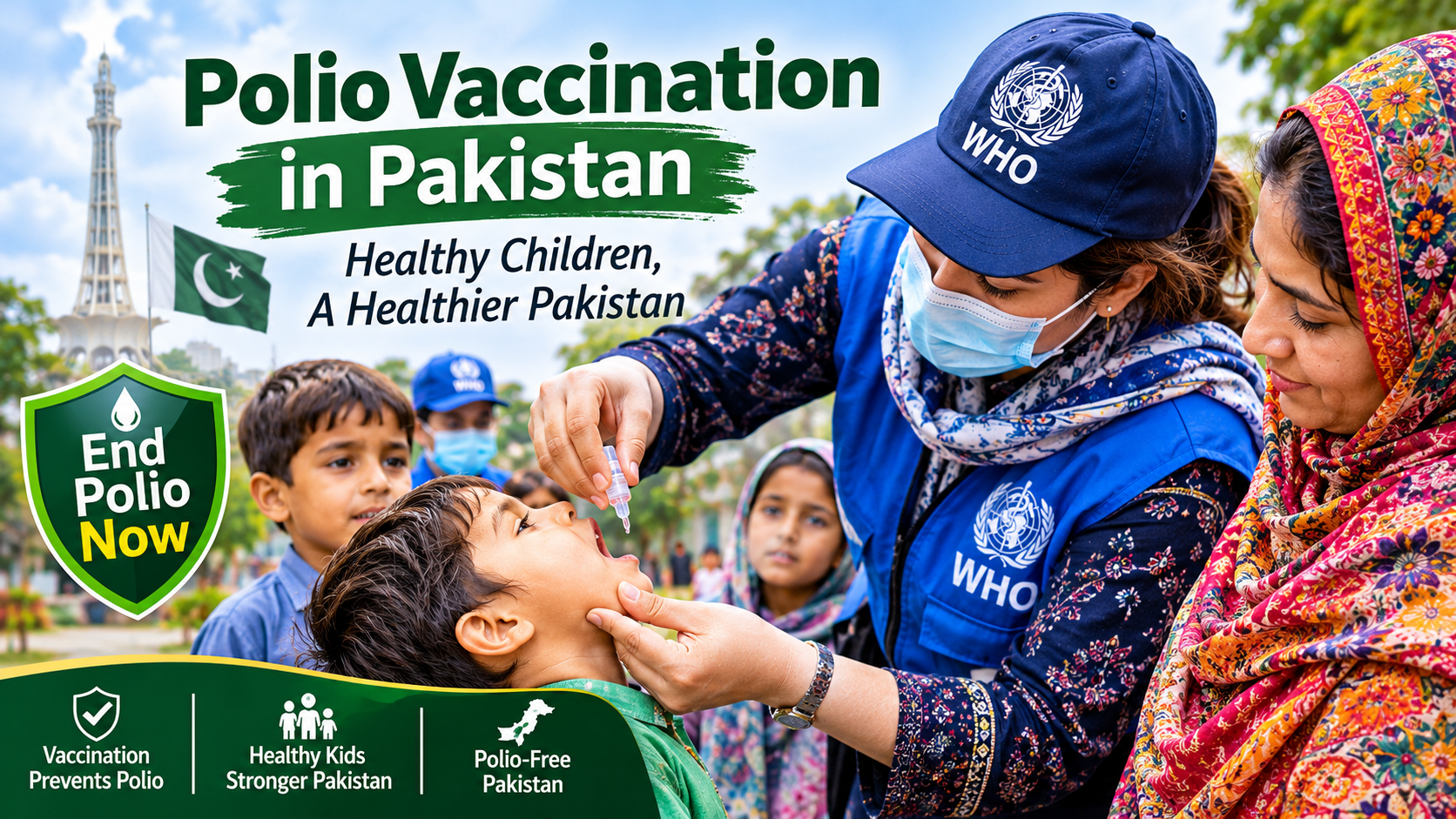
The most efficient method of preventing polio is vaccination. Children in Pakistan are shielded from the disease by special vaccination campaigns and routine vaccination services. Supplemental campaigns provide additional opportunities to vaccinate children who may have missed previous doses, while routine immunization helps children receive vaccines according to the recommended schedule. Pakistan's vaccination campaigns are organized by the Polio Eradication Initiative in coordination with provincial health departments, healthcare facilities, and international partners. Vaccination teams visit homes, schools, communities, transit points, and other locations to reach eligible children. Repeated vaccination is an important strategy because it helps build strong immunity across the population and reduces the possibility of continued virus transmission.
Oral Polio Vaccine (OPV)
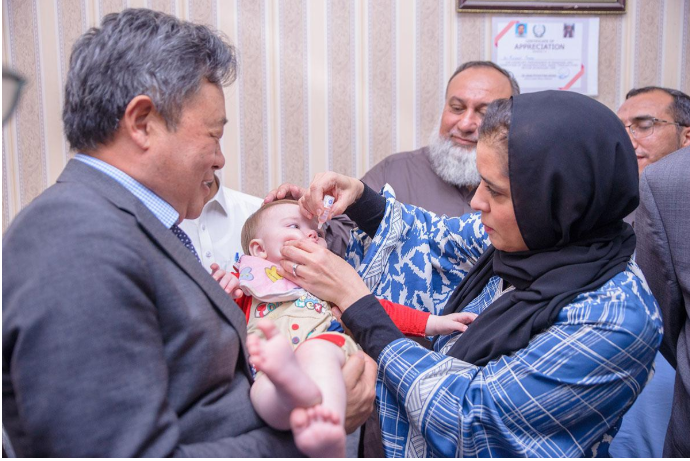
Polio vaccine taken orally. The Oral Polio Vaccine (OPV) is commonly known as polio drops. During vaccination campaigns in Pakistan, it is widely used and given orally. The vaccine helps build immunity against poliovirus and is particularly useful for large-scale immunization activities because health workers can administer it efficiently to children in communities, including areas where access to healthcare facilities is limited.
The prevention of poliovirus transmission from one person to another is made possible in large part by OPV. It is distributed by campaign teams at schools, fixed vaccination centers, door-to-door visits, and transit points. During each campaign, parents are encouraged to work with vaccination teams to ensure that eligible children receive the vaccine. Even if children have already received polio drops in previous campaigns, they should still receive the recommended doses. Repeated doses are part of the national strategy to build and maintain strong immunity. According to Pakistan's Polio Eradication Initiative, children under five should receive campaign doses regardless of how many previous doses they have received.
Inactivated Polio Vaccine (IPV)
The Inactivated Polio Vaccine (IPV) is another important vaccine used to protect children against polio. Unlike the oral vaccine, IPV is administered through an injection by trained healthcare professionals. It helps the body develop protection against poliovirus and is included in routine immunization programs.
IPV is an important part of comprehensive polio prevention because it provides strong protection against paralytic disease. Pakistan incorporates injectable polio vaccine into its routine immunization services and uses additional strategies in selected areas when needed. Combining routine immunization with oral vaccination campaigns helps strengthen protection and reduce immunity gaps.
Parents should adhere to the vaccination schedule that medical professionals and local authorities recommend. If a child has missed routine vaccines, families can contact a nearby healthcare facility or vaccination center to ask about catch - up immunization.
Role of Parents and Communities
The prevention of polio is greatly aided by parents and caregivers. They are accountable for ensuring that children participate in vaccination campaigns and receive routine vaccinations. Parents can assist vaccination teams by ensuring that their eligible children receive their doses and by asking trained health professionals any questions they may have regarding the vaccine. By distributing accurate health information and encouraging families to participate in vaccination activities, communities can also help eradicate polio. Communicating the significance of immunization can be made easier with the help of volunteers, teachers, representatives of the community, and religious leaders. Their involvement can make health messages more understandable and trustworthy, especially in communities where families may have questions or concerns.
Additionally, community participation aids vaccination teams in locating children who may have missed previous campaigns. Reaching underserved households and reducing the number of unvaccinated children is easier when people collaborate. Families, healthcare providers, and society as a whole must work together to eradicate polio, which is a shared responsibility.
Pakistan's Polio Eradication Program's Obstacles
Pakistan's polio eradication program faces several challenges despite its considerable progress. In some areas, problems with security can make it hard for vaccination teams to move around and reach every home. In certain locations, communities are geographically isolated or lack adequate infrastructure, making healthcare delivery more difficult. These barriers can create gaps in vaccination coverage and allow the virus to continue circulating.
Another obstacle is vaccine aversion. Rumors, false information, or concerns about vaccine safety may have an impact on some families. Others might not comprehend why children require multiple doses during various campaigns. Addressing these concerns requires respectful communication, reliable information, and trusted community engagement rather than simply asking people to comply.
In addition, the country faces difficulties related to population movement, urbanization, and sanitation. Children moving between districts or living in underserved communities may miss vaccination opportunities. Conditions in the environment can help spread the virus, and it may be hard for health officials to protect every child consistently in crowded areas. Overcoming these challenges requires long-term planning, adequate resources, strong monitoring systems, and coordination among national and provincial authorities.
Role of Healthcare Workers
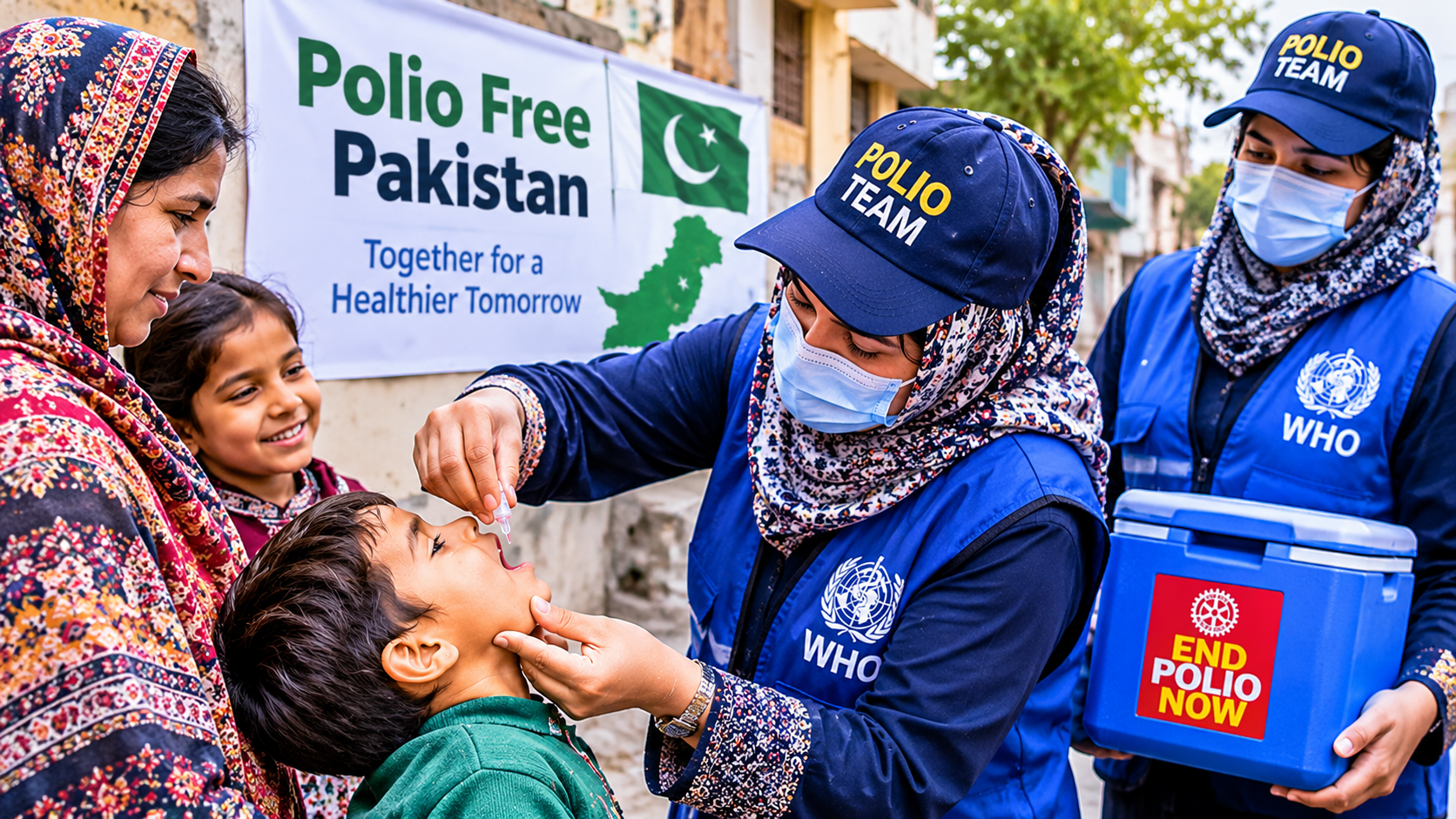
Pakistan's efforts to eradicate polio center on healthcare professionals. Vaccinators, doctors, nurses, community health workers, supervisors, and surveillance officers help protect children and strengthen public health services. Frontline workers visit homes and communities during vaccination campaigns to administer vaccines, keep records, and identify children who may not have been immunized. Their responsibilities extend beyond vaccine delivery. In addition, healthcare professionals answer questions about vaccinations, educate families about polio, and stress the significance of receiving the vaccine multiple times. Because positive communication can encourage families to participate in immunization programs, establishing trust is an essential part of their work. Polio workers often serve in difficult environments, including remote locations and communities with limited access to healthcare. Their work requires training, coordination, dedication, and support from local authorities. Providing adequate safety measures, resources, supervision, and recognition helps maintain the effectiveness of vaccination programs.
The contribution of healthcare workers is essential to protecting children and achieving a polio-free Pakistan.
Environmental Testing and Polio Monitoring
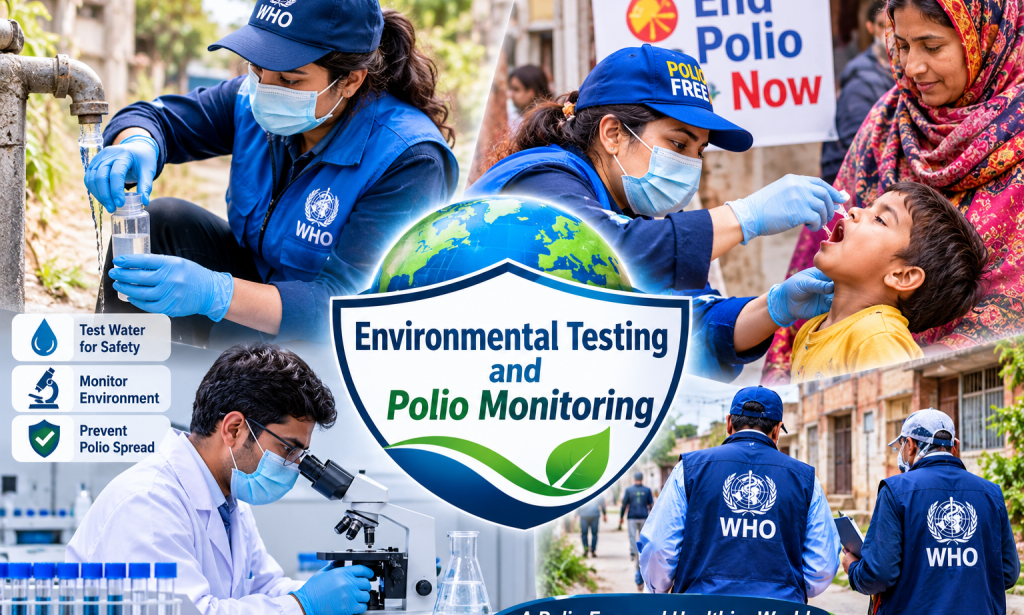
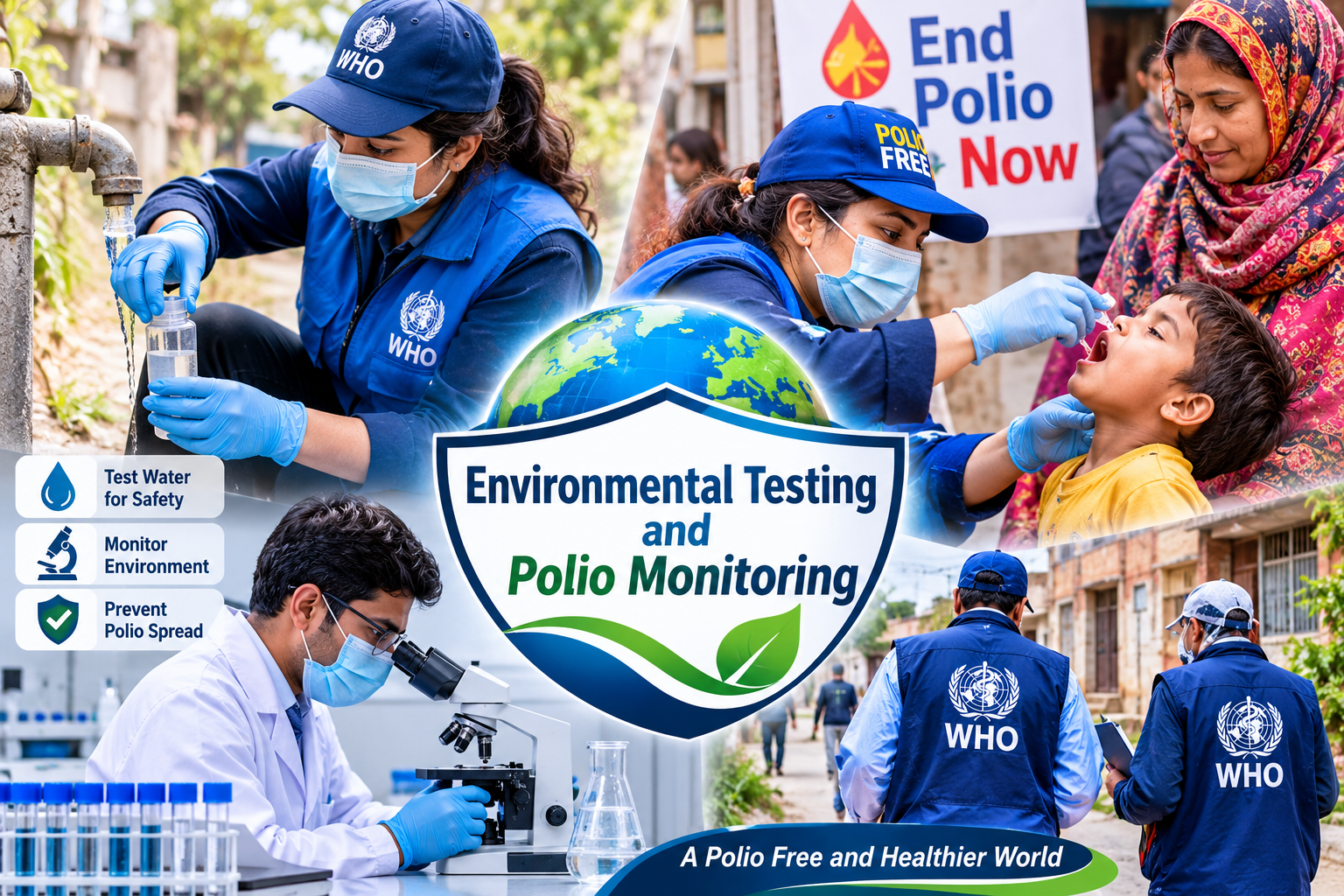
Polio surveillance enables health authorities to detect the spread of the poliovirus and evaluate the efficacy of eradication efforts. The purpose of surveillance systems is to find suspected cases of acute flaccid paralysis (AFP), investigate them, and gather the right samples for testing in the lab. This supports prompt public health action and aids in determining whether the illness may be caused by poliovirus. Another important tool is environmental surveillance. Public health teams collect wastewater samples from selected locations and test them for poliovirus. Even if no paralytic cases have been identified, the presence of poliovirus in wastewater may indicate that the virus is circulating in a community. This information helps authorities recognize potential risks and prioritize vaccination campaigns.
In densely populated urban areas and large communities, environmental testing is especially useful. It provides an additional source of information that can support disease surveillance and help health officials understand transmission patterns. By combining case surveillance, laboratory testing, and wastewater monitoring, Pakistan can improve its ability to detect the virus and respond more effectively.
International Aid and Government Assistance
The Government of Pakistan leads the national polio eradication program through its health institutions and the Polio Eradication Initiative. In high-risk communities, authorities at the federal and provincial levels work to increase vaccination coverage, support routine vaccination, coordinate health workers, and monitor surveillance activities. Additionally, operational, financial, and technical support is provided by international organizations. Partners such as the World Health Organization (WHO), UNICEF, and the Global Polio Eradication Initiative (GPEI) support planning, vaccine delivery, disease surveillance, communication, and training. Their collaboration supports Pakistan's efforts to eradicate poliovirus transmission and strengthens public health systems. The partnership between government institutions and international organizations is important because polio eradication requires continuous effort and coordination. Campaigns for vaccination require accurate data, dependable supplies, trained staff, and effective communication strategies. Continued investment in these areas can help Pakistan address remaining challenges and move closer to a polio-free future.
Public Awareness and Misconceptions
Public awareness is essential for successful vaccination programs. Families benefit from accurate information regarding the spread of polio, the necessity of immunization for children, and the ways in which immunization protects them from serious diseases. When people receive clear information from trusted sources, they are more likely to make informed decisions about their children's health.
Parents may be discouraged from participating in vaccination campaigns as a result of misinformation, which can create unnecessary fear. After a child has received earlier vaccines, some families may believe that repeated doses are unnecessary. Others might question vaccination campaigns' goals or come across false claims on social media. By providing accurate information and listening respectfully to parents, health authorities and representatives of the community can assist in addressing these concerns. Schools, radio, television, social media, community meetings, healthcare facilities, and local organizations can all be used to deliver awareness programs. Using simple language and culturally appropriate communication can make public health messages more effective. Education should focus on facts, vaccine safety, the benefits of immunization, and the importance of protecting every child.
How Pakistan Can Eliminate Polio
Pakistan can eliminate polio by maintaining strong vaccination coverage, improving routine immunization, and ensuring that every child receives the vaccines recommended by health authorities. Special attention must be given to communities where children frequently miss vaccination opportunities. Reaching these communities consistently is essential to interrupt poliovirus transmission.
Improving public trust is equally important. Through respectful communication, healthcare professionals and community leaders should continue to engage families, address concerns, and correct misinformation. Communities that are aware of their purpose and cooperate with health teams are more likely to benefit from vaccination programs. Pakistan also needs to strengthen disease surveillance, environmental monitoring, sanitation, and access to healthcare. Reliable data helps authorities identify high-risk areas and direct resources where they are most needed. Because poliovirus can cross borders with populations, coordination between provinces, districts, and neighboring nations is crucial. The road to eradication requires patience, consistent funding, political commitment, and public participation. Pakistan has already made significant progress, but the final stage of eradication requires reaching children who remain vulnerable and maintaining strong immunity throughout the country.
Conclusion
Even though polio can be avoided, it remains a major public health issue in Pakistan. The country has made substantial progress through vaccination campaigns, routine immunization, environmental surveillance, and the efforts of frontline healthcare workers. However, the persistence of poliovirus transmission demonstrates the need for additional work to safeguard each child, particularly in communities where vaccination coverage is still inadequate. Vaccination is the strongest tool for preventing polio and reducing the risk of lifelong disability. Eradication requires the participation of a wide range of stakeholders, including caregivers, families, communities, government agencies, and international partners. Pakistan can maintain its progress toward eradicating polio by bolstering healthcare services, raising public awareness, correcting false information, and supporting vaccination campaigns. Pakistan can eradicate polio, but it will require ongoing commitment and cooperation. Protecting children now
will contribute to the development of a safer and healthier future for future generations.
Frequently Asked Questions (FAQs)
1. What is polio and why is it dangerous?
Polio is a contagious viral disease that can affect the nervous system. In severe cases, it can cause permanent muscle weakness or paralysis. It mainly affects children under five, especially those who have not been adequately vaccinated.
2. Is polio still present in Pakistan in 2026?
Yes. Pakistan continues to report wild poliovirus cases in 2026. The Pakistan Polio Eradication Initiative reported nine cases as of November 12, 2026, showing that continued vaccination and surveillance are necessary.
3. How can children be protected from polio?
Children can be protected through routine immunization and supplementary vaccination campaigns. Parents should ensure their children receive recommended vaccines, including polio drops during campaigns, even if they have received doses previously.
4. Why do polio teams visit homes repeatedly?
Repeated campaigns help strengthen immunity across communities and reach children who may have missed earlier vaccination rounds. Each campaign provides another opportunity to protect children and reduce poliovirus circulation.
5. Can Pakistan eliminate polio?
Yes. Pakistan can eliminate polio by achieving high vaccination coverage, strengthening surveillance, improving access to healthcare, addressing misinformation, and ensuring that every eligible child is vaccinated. Sustained cooperation between families, communities, healthcare workers, and government institutions is essential.
Information and statistics are checked against the Pakistan Polio Eradication Initiative and WHO updates, which are available in November 2026.







Comments 0
Sign in to join the conversation.
No comments yet. Be the first to say something.