



Introduction
Healthy habits play an important role in our daily lives. The choices we make about food, physical activity, sleep, and mental well-being can influence how we feel and how well we manage everyday responsibilities. Many people believe that becoming healthier requires expensive products or major lifestyle changes. However, simple habits practiced consistently can make a meaningful difference.
Building a healthier lifestyle does not mean being perfect every day. It means making useful choices, learning from mistakes, and gradually developing routines that support your health. Even small actions, such as walking regularly, drinking enough water, eating balanced meals, and sleeping on time, can contribute to overall well-being.
In this article, we will explore practical ways to build healthy habits, explain why consistency matters, and discuss how anyone can begin making positive changes in everyday life.
1. Understand the Importance of Healthy Habits
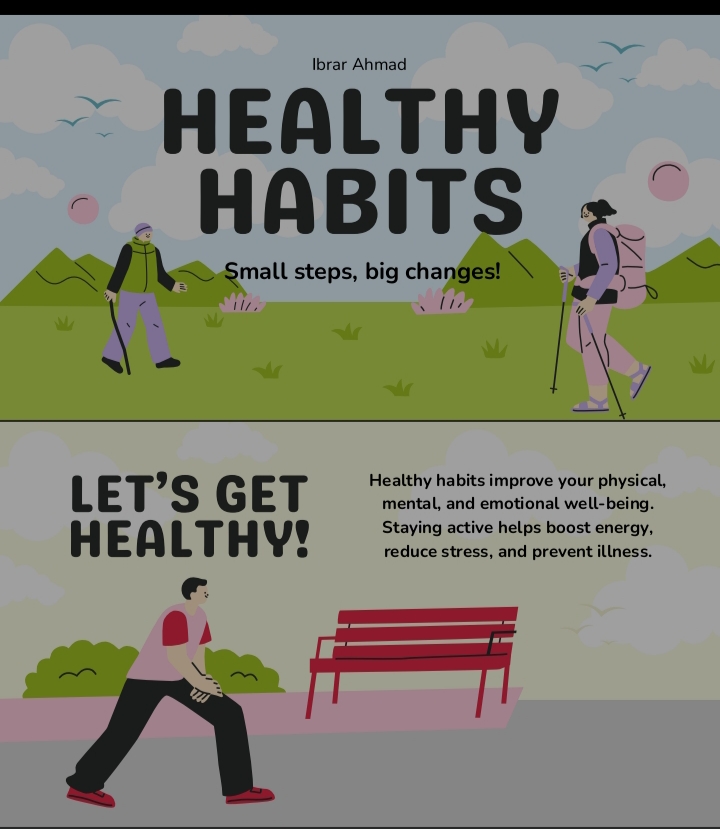
Healthy habits are actions that support physical health, mental well-being, and everyday functioning. Examples include maintaining personal hygiene, eating nutritious foods, staying physically active, getting sufficient sleep, and taking breaks when needed.
These habits may seem simple, but repeating them regularly can help create a healthier routine. For example, washing your hands helps reduce the spread of germs, while regular movement supports physical fitness. A consistent sleep schedule can also help people feel more rested and prepared for daily activities.
Healthy habits are not only about avoiding illness. They can also help people manage their responsibilities, improve concentration, and feel more confident about taking care of themselves.
It is important to remember that everyone has different needs. A routine that works well for one person may not suit another person because of differences in age, health, environment, and daily responsibilities. The best approach is to choose realistic habits that fit your circumstances.
2. Eat a Balanced and Varied Diet

Food provides the energy and nutrients the body needs to grow, repair itself, and function properly. A balanced diet includes a variety of foods rather than relying on only one type of meal.
Try to include vegetables, fruits, whole grains, beans, eggs, dairy products, nuts, and other available sources of protein in your meals. These foods provide different nutrients that support normal body functions.
You do not need expensive foods to make healthier choices. Many affordable foods, including lentils, seasonal vegetables, beans, eggs, and whole grains, can be part of a nutritious diet. Choosing foods that are available locally can make healthy eating more practical for families.
It is also helpful to eat regular meals that meet your needs and to pay attention to hunger and fullness. Avoid following extreme diets or skipping meals to change your body quickly. Growing teenagers especially need enough food and nutrients to support their development.
Drinking enough water is another important habit. Water helps regulate body temperature and supports many functions throughout the body. Keep water available during the day, especially during hot weather or physical activity.
3. Make Physical Activity Part of Your Day
Regular physical activity supports heart health, muscle strength, bone health, and general fitness. It can also help improve mood and provide a useful break from long periods of sitting.
Exercise does not have to mean joining a gym. Walking, cycling, dancing, playing cricket, football, or participating in other enjoyable sports can help people stay active. Household activities and active games can also contribute to daily movement.
The most suitable activity depends on your age, abilities, health, and interests. Start with something manageable and increase your activity gradually. If you enjoy playing sports with friends, that may be easier to maintain than forcing yourself to follow an activity you dislike.
Children and teenagers benefit from regular daily movement, while adults should aim for activity appropriate to their circumstances. People with health concerns or physical limitations may need advice from a healthcare professional about suitable activities.
Try to reduce long periods of sitting by standing, stretching, or walking briefly when practical. These small changes can help make an active lifestyle part of your normal routine.
4. Get Enough Quality Sleep
Sleep is essential for physical and mental well-being. During sleep, the body carries out important processes that support recovery, memory, learning, and normal functioning.
Not getting enough sleep can make it harder to concentrate, remember information, manage emotions, and complete everyday tasks. People who regularly sleep poorly may also feel tired during the day.
A useful habit is to go to bed and wake up at approximately the same time each day. A regular schedule can help the body's internal clock maintain a consistent rhythm.
Make your sleeping environment as comfortable as possible. Reduce unnecessary noise and light, keep your sleeping area tidy, and choose bedding that feels comfortable.
Phones and other screens can also interfere with bedtime routines. Try setting aside time before sleep to put away unnecessary notifications and choose a calming activity, such as reading or preparing for the following day.
The amount of sleep needed varies by age. Teenagers generally need eight to ten hours per night, while adults usually need at least seven hours. If sleep problems continue despite healthy habits, consider speaking with a healthcare professional.
5. Take Care of Your Mental Well-Being
Mental well-being is an important part of a healthy life. It influences how people think, feel, manage stress, and interact with others.
Everyday responsibilities can sometimes feel overwhelming. Schoolwork, family concerns, financial difficulties, and changes in life may cause stress. Taking care of mental well-being involves recognizing these feelings and finding healthy ways to manage them.
Talking to someone you trust can help when you are facing a difficult situation. This could be a family member, friend, teacher, counselor, or another supportive person.
Relaxing activities may also help you manage everyday stress. Some people enjoy reading, spending time outdoors, practicing gentle breathing, writing in a journal, or participating in a favorite hobby.
It is equally important to maintain realistic expectations. Nobody feels happy or confident all the time, and experiencing difficult emotions does not mean that someone has failed.
If sadness, anxiety, or stress continues to interfere with everyday life, professional support may be helpful. Asking for help is a sensible step toward looking after your health.
6. Maintain Good Personal Hygiene
Personal hygiene helps people stay clean and can reduce the spread of certain infections. It also contributes to comfort and general well-being.
Wash your hands with soap and clean water, especially before eating, after using the toilet, and after activities that make your hands dirty. If soap and water are unavailable, an appropriate hand sanitizer can be useful in many situations.
Brush your teeth regularly with fluoride toothpaste and maintain a consistent dental care routine. Regular dental checkups can help identify problems before they become more serious.
Bathing or washing as needed, wearing clean clothes, and keeping nails clean are other useful habits. Personal hygiene needs can vary according to activity level, weather, and individual circumstances.
Skin and hair care should also be gentle and suitable for your needs. Avoid using unnecessary products simply because they are popular online. If you have a persistent skin or scalp problem, a qualified healthcare professional can help you choose appropriate treatment.
Good hygiene does not require expensive products. Consistency and using suitable basic supplies are often the most important factors.
7. Build a Consistent Daily Routine
A daily routine can make healthy habits easier to remember. When activities become part of your normal schedule, you may spend less time deciding when to do them.
Start by choosing a few realistic habits. For example, you could drink water after waking up, take a walk during the day, eat regular meals, and prepare for bed at a consistent time.
It may help to connect a new habit with something you already do. You could stretch gently after finishing your studies or prepare your schoolbag after dinner. Linking activities in this way can make a routine easier to follow.
Avoid trying to change every part of your life at once. Too many goals can become difficult to manage, especially when you have school, work, or family responsibilities.
Instead, focus on one or two changes and practice them regularly. Once they feel manageable, you can gradually add another habit.
Remember that routines should support your life, not make it stressful. It is normal for plans to change occasionally. If you miss a day, return to your routine when you can rather than giving up completely.
8. Reduce Unhealthy Screen Habits
Digital devices are useful for learning, communication, entertainment, and accessing information. However, spending excessive time on screens can sometimes interfere with sleep, physical activity, studying, and face-to-face relationships.
The goal is not to avoid technology entirely. Instead, use it in ways that support your responsibilities and well-being.
Try taking regular breaks during long periods of screen use. Stand up, stretch, look away from the screen, or walk around for a short time.
You can also set aside specific periods for studying or other important tasks without unnecessary notifications. Keeping your phone away while completing a task may help you concentrate.
Avoid allowing entertainment or social media to regularly replace sleep, meals, physical activity, or time with family and friends.
Different people need different screen routines depending on school, work, and other responsibilities. Pay attention to how screen use affects your daily life and make adjustments where needed.
9. Stay Connected With Supportive People
Healthy relationships can contribute to emotional well-being and help people cope with everyday challenges. Spending time with supportive family members, friends, and community members can provide encouragement and a sense of belonging.
Simple activities, such as sharing a meal, talking about your day, playing a sport together, or helping with household tasks, can strengthen relationships.
Listening is also important. Give other people time to express their thoughts, and try to communicate respectfully even when you disagree.
At the same time, healthy relationships include boundaries. It is reasonable to take time for yourself, say no to unsuitable requests, and seek help when a relationship makes you feel unsafe or persistently distressed.
If you are experiencing a difficult situation, you do not have to handle everything alone. Reaching out to a trusted person can be a useful first step toward finding support.
10. Track Your Progress and Be Patient
Building healthy habits takes time. Some changes may become comfortable quickly, while others may require repeated effort and adjustments.
You can keep track of your progress by writing down a few daily goals in a notebook or calendar. For example, you might record whether you took a walk, followed your bedtime routine, or ate a varied selection of foods.
The purpose of tracking is to understand your habits, not to criticize yourself. If you find a goal difficult to maintain, consider making it smaller or changing when you do it.
Celebrate practical achievements, such as following a routine for several days or finding an enjoyable way to stay active. Small improvements can encourage you to continue.
Avoid comparing your progress with other people's routines. Everyone has different circumstances, resources, and needs. A sustainable approach is more useful than trying to make rapid changes that are difficult to maintain.
If a health concern continues or worsens, remember that lifestyle habits do not replace professional medical advice or treatment.
Conclusion
Healthy living is built through everyday choices rather than a single major change. Eating balanced meals, staying physically active, getting sufficient sleep, maintaining personal hygiene, and taking care of mental well-being can all contribute to a healthier lifestyle.
The best way to begin is to choose a small change that fits your daily life. Practice it regularly, notice how it affects you, and add other habits when you feel ready.
There is no need to expect perfection. Progress can be gradual, and occasional setbacks are a normal part of learning. By being patient and consistent, you can build routines that support your physical health, mental well-being, and everyday responsibilities oveme.








Comments 0
Sign in to join the conversation.
No comments yet. Be the first to say something.