

What is physical Activity?
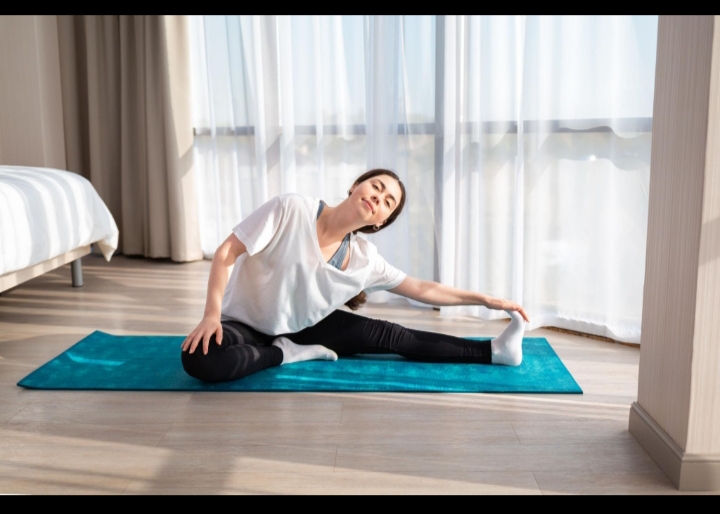

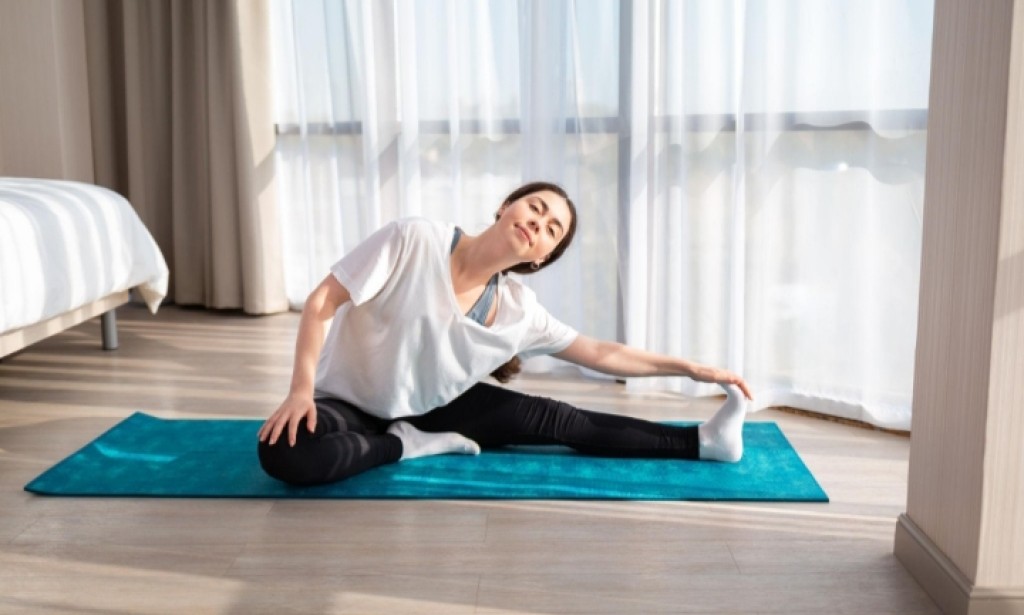
People playing cricket outdoors, demonstrating how sports can improve physical fitness, encourage teamwork, and make exercise enjoyable.A woman practicing a gentle yoga stretch on a mat in a bright room, illustrating flexibility, physical fitness, and mental well-being.How Exercise Supports Physical Health
The Connection Between Exercise and Mental Well-Being
Exercise is an important part of a healthy lifestyle, but staying active does not mean spending hours in a gym or following a difficult workout plan. Simple activities such as walking, playing cricket, cycling, stretching, and practicing gentle yoga can help people take better care of their bodies and minds.
In modern life, many people spend long hours sitting in classrooms, working at desks, or using mobile phones. Although these activities are common, making time for movement can help balance a daily routine. Regular physical activity supports fitness, strengthens the body, and can improve mood and sleep.
The good news is that everyone can start with small steps. The best routine is one that is safe, enjoyable, and suitable for a person's age, health, and abilities.
1. What Is Physical Activity?
Physical activity is any movement that uses energy. It includes planned exercise, sports, walking, dancing, cycling, and many everyday activities. You do not have to become an athlete to benefit from moving more.
Some activities are gentle, such as stretching or walking at a comfortable pace. Others, such as running or playing a fast game of cricket, require more effort. A balanced routine can include different kinds of movement throughout the week.
Choosing an enjoyable activity makes it easier to develop a regular habit. One person may enjoy playing football, while another may prefer walking with family or practicing yoga at home. Both can be useful ways to stay active.
2. How Exercise Supports Physical Health
Regular physical activity helps the body develop strength, endurance, coordination, and flexibility. It can support heart and lung fitness and help maintain healthy bones and muscles.
Activities such as walking, swimming, cycling, and playing sports get the body moving and can improve stamina over time. Strengthening activities, when performed safely and appropriately, help muscles become stronger. Gentle stretching and yoga movements can also help people work on flexibility and balance.
Exercise is not about reaching a particular body shape or competing with other people. Bodies develop differently, especially during childhood and adolescence. The purpose of physical activity should be to support health, enjoy movement, and build useful skills.
People who are new to exercise should begin at a comfortable level. They can gradually increase the time or effort as their fitness improves. Rest is also important because the body needs time to recover.
3. The Connection Between Exercise and Mental Well-Being
Physical health and mental well-being are closely connected. Everyday responsibilities, schoolwork, family concerns, and other challenges can sometimes leave people feeling stressed or tired. Physical activity may help some people manage everyday stress and improve their mood.
For example, a short walk outside can provide a break from studying or looking at a screen. Playing a sport with friends may create opportunities for enjoyment and social connection. Gentle yoga or stretching can provide a quiet moment to focus on breathing and movement.
Exercise does not make every problem disappear, and it is not a replacement for professional mental health support when that is needed. However, it can be one helpful part of a broader routine that includes rest, supportive relationships, and activities a person enjoys.
People should also remember that they do not need to feel happy or energetic every time they exercise. Some days will be easier than others. Building a habit matters more than expecting every session to feel perfect.
[Insert in-article picture 1 here: A person walking outdoors in a green park. Upload the image to Article.pk.]
4. Walking: A Simple Way to Start.
Walking is one of the easiest activities to include in daily life. It usually requires little equipment, and people can choose a pace that suits their ability.
A beginner might start with a short walk around a safe area or walk part of the way to a nearby destination. Over time, the person may choose to walk for longer or at a slightly quicker pace if it feels comfortable.
Walking with a family member or friend can make the activity more enjoyable. It can also provide time to talk, share experiences, and take a break from daily responsibilities.
Safety matters. Choose a suitable route, wear comfortable footwear, stay aware of traffic, and avoid places that are unsafe. In hot weather, choose a cooler time of day when possible and drink water regularly.
There is no need to compare walking speed or distance with someone else. A routine that fits into everyday life is often easier to maintain than an unrealistic plan.
5. Yoga and Stretching for Flexibility
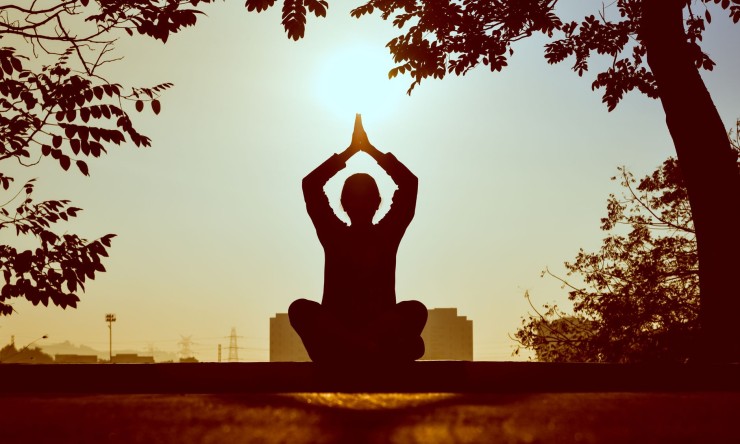
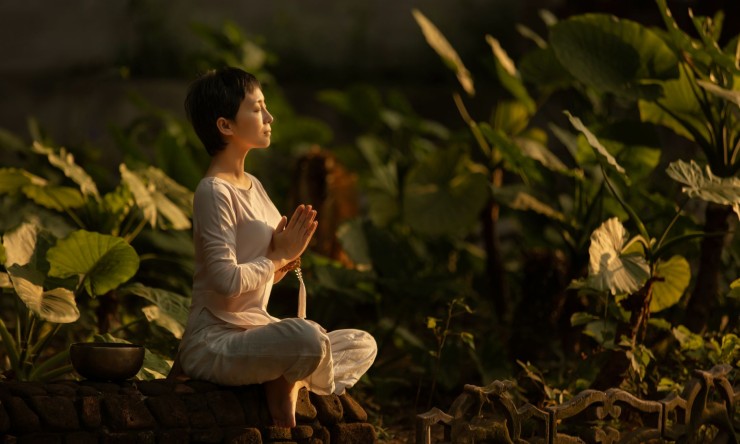
Yoga combines physical movements, breathing, and attention to the present moment. Some forms of yoga involve gentle stretching, while others require more strength and balance.
For beginners, simple movements may help develop flexibility and body awareness. Gentle stretching can also provide a useful break after sitting for a long period. People should move slowly, breathe normally, and avoid forcing a position.
Yoga is not a competition. A person does not need to perform difficult poses to benefit from a gentle practice. Using a comfortable surface and following instructions suitable for beginners can make the experience safer.
Anyone who experiences pain, dizziness, or unusual discomfort should stop. People with injuries or medical conditions should seek appropriate professional advice about which activities are suitable for them.
6. Sports Can Make Exercise Enjoyable
Sports are another way to stay active while developing practical skills. Cricket, football, badminton, basketball, and other games can involve running, coordination, balance, and teamwork.
Playing with others may also provide opportunities to make friends, learn cooperation, and practice handling both success and disappointment. These experiences can be valuable parts of personal development.
Not everyone enjoys competitive sports, and that is completely fine. Recreational games, cycling, dancing, and other activities can provide movement without the pressure of competition.
The important thing is to choose an activity that is enjoyable and appropriate for your age and abilities. Warm up before vigorous exercise, use suitable equipment, follow the rules, and allow time for rest.
7. How Much Exercise Is Enough?
The right amount of activity depends on age, health, ability, and individual circumstances. The World Health Organization and the Centers for Disease Control and Prevention recommend that children and adolescents aged 6–17 aim for at least an average of 60 minutes of moderate-to-vigorous physical activity each day.
That does not mean every minute must be spent doing a formal workout. Walking, sports, cycling, active play, and other suitable activities can contribute. Some activities can also help strengthen muscles and bones.
Adults have different recommendations, so people should follow guidance appropriate to their age group. Anyone who is currently inactive does not need to achieve a large target immediately. Starting with manageable amounts and gradually building up is a practical approach.
People with a health condition, an injury, or concerns about starting exercise should ask a healthcare professional for individual guidance. Exercise should support health, not create unnecessary pain or pressure.
8. Exercise, Sleep, and Daily Energy
Sleep and physical activity can support one another. Regular movement may help people sleep better, while enough sleep supports concentration, recovery, and energy for daily activities.
A healthy routine should include time for school or work, meals, physical activity, relaxation, and sleep. It is not necessary to fill every free moment with exercise. Rest days and lighter activities can be useful, particularly after demanding sessions.
People can try keeping a reasonably consistent sleep schedule and reducing stimulating screen use when it is time to wind down. If exercise late in the evening makes it difficult to relax, moving the activity to an earlier time may help.
Feeling tired occasionally is normal. Persistent exhaustion or sleep problems, however, should not automatically be blamed on a lack of exercise. If the problem continues, seeking medical advice may be appropriate.
[Insert in-article picture 2 here: A beginner doing gentle stretching or yoga on a mat in a calm, uncluttered space. Upload the image to Article.pk.]
9. Building a Routine That Lasts
A good exercise routine should be realistic. Trying to change every habit at once can feel overwhelming, so it may be easier to begin with one or two simple goals.
For example, someone could take a short walk after school, play a sport with friends a few times a week, or practice gentle stretching after long periods of sitting. Once these activities become familiar, the person can decide whether to add more.
It can help to connect movement with an existing habit. A person might walk after lunch, stretch before beginning homework, or play outside with friends on certain days.
Flexibility is important, too. Bad weather, school responsibilities, family events, or low-energy days may interrupt a plan. Missing one session does not mean the routine has failed. The person can simply return to it when practical.
Tracking progress can focus on useful changes, such as feeling more energetic, improving a sports skill, or finding it easier to walk comfortably. It should not become a reason to criticize the body or feel guilty about resting.
10. Common Mistakes to Avoid
One common mistake is starting with an exercise plan that is too demanding. Suddenly increasing activity can lead to excessive soreness or injury. A gradual approach gives the body time to adapt.
Another mistake is believing that only gym workouts count. Everyday movement, sports, walking, and other enjoyable activities can all contribute to a more active lifestyle.
Some people also forget about hydration, suitable footwear, warm-ups, and recovery. These practical details matter, especially during vigorous activity or hot weather.
Finally, exercise should not be used as punishment for eating or as a way to meet unrealistic appearance expectations. Food provides energy and nutrients, and rest is a normal part of health. A balanced routine focuses on well-being rather than perfection.
Conclusion
Daily exercise can be a valuable part of a healthy lifestyle. Walking, sports, cycling, stretching, and yoga offer different ways to support physical fitness while creating opportunities for relaxation and enjoyment.
Regular movement may also support mood, sleep, and everyday stress management. These benefits do not require expensive equipment or a perfect schedule. Small, manageable habits can be a useful starting point.
Choose activities that you enjoy, respect your body's limits, and increase activity gradually. Make room for nutritious meals, adequate sleep, rest, and social connection as well. If you have a medical concern or experience unusual symptoms during exercise, seek appropriate professional advice.
The goal is not to be perfect or compete with anyone else. It is to find safe, enjoyable ways to move more and support your well-being over time.
Sources for Further Reading
1. World Health Organization — Physical activity: https://www.who.int/news-room/fact-sheets/detail/physical-activity/
2. Centers for Disease Control and Prevention — Child Activity: An Overview: https://www.cdc.gov/physical-activity-basics/guidelines/children.html
3. NHS — Be active for your mental health: https://www.nhs.uk/every-mind-matters/mental-wellbeing-tips/be-active-for-your-mental-health/




Comments 0
Sign in to join the conversation.
No comments yet. Be the first to say something.