

Overeating is a widespread habit that often goes unnoticed in daily life, yet it plays a major role in speeding up the aging process. Consuming more food than the body needs leads to inflammation, oxidative stress, hormonal imbalance, poor digestion, and increased risk of chronic diseases. This article explains in detail how overeating affects cells, organs, skin, brain health, and lifespan, and why controlling food intake is essential for slowing aging and maintaining long-term health.
Content
Aging is an unavoidable part of life, but the speed at which aging occurs depends largely on lifestyle choices. Among various habits that accelerate aging, overeating is one of the most damaging yet least discussed. In modern society, larger portions, frequent snacking, emotional eating, and high-calorie diets have become common. While food is essential for nourishment, excess consumption places unnecessary stress on the body and speeds up the biological aging process.
Understanding how overeating impacts the body can help individuals adopt healthier eating habits and protect themselves from premature aging.

Understanding Overeating and Its Modern Causes
Overeating refers to the regular consumption of food beyond the body’s energy requirements. This habit is often driven by stress, boredom, social gatherings, emotional triggers, and easy access to processed foods. Many people eat not because they are hungry, but because food is available or comforting.
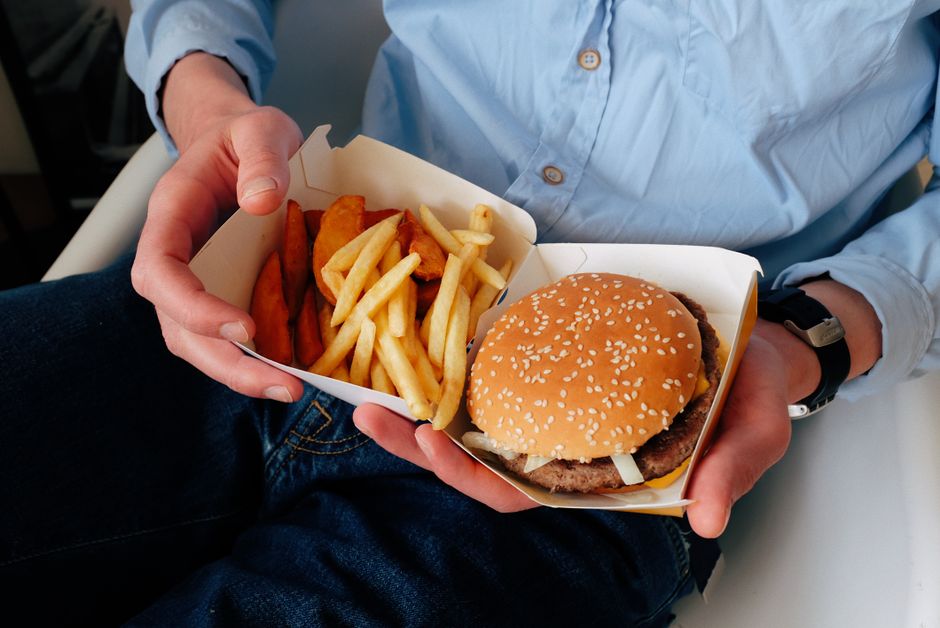
Over time, this behavior becomes a routine, leading to excess calorie intake and metabolic imbalance. The human body is designed to function best with balance, and overeating disrupts this balance at a cellular level.
Overeating and Increased Oxidative Stress
One of the primary mechanisms through which overeating accelerates aging is oxidative stress. When the body processes excess calories, especially from sugar and unhealthy fats, it produces a higher amount of free radicals. These unstable molecules damage cells, DNA, and proteins.
This damage weakens the body’s repair system and speeds up cellular aging. As a result, tissues lose their ability to regenerate efficiently, leading to faster physical and internal aging.
Chronic Inflammation: A Major Aging Trigger
Excess food intake, particularly when combined with weight gain, causes chronic inflammation in the body. Fat cells release inflammatory substances that continuously activate the immune system. This low-grade inflammation remains unnoticed but slowly damages tissues and organs.
Chronic inflammation is closely linked to premature aging, joint pain, muscle weakness, cardiovascular problems, and reduced immunity. It also contributes to the development of age-related diseases much earlier than expected.
Impact on Metabolism and Energy Levels
Overeating forces the metabolism to work harder than normal. Initially, the body may handle excess calories, but over time, metabolic efficiency declines. The body begins to store more fat and burn fewer calories, leading to sluggish metabolism.

A slow metabolism results in constant fatigue, reduced stamina, and decreased physical performance. These changes are common signs of aging and appear earlier in individuals who overeat regularly.
Hormonal Imbalance and Faster Aging
Hormones regulate nearly every function in the body, including growth, repair, sleep, and appetite. Overeating disrupts hormonal balance, particularly insulin, leptin, and cortisol.

Constant overeating leads to insulin resistance, where cells stop responding properly to insulin. This condition accelerates aging by damaging blood vessels, increasing inflammation, and raising the risk of diabetes. Hormonal imbalance also affects skin health, mood stability, and sleep quality, all of which influence how fast the body ages.
Digestive System Overload and Nutrient Deficiency
The digestive system is not designed to process excessive food continuously. Overeating overloads the stomach, intestines, liver, and pancreas, leading to indigestion, bloating, acidity, and poor nutrient absorption.
When the body fails to absorb essential vitamins and minerals properly, cell repair slows down. This nutrient deficiency weakens bones, skin, hair, and muscles, accelerating visible and internal signs of aging.
Skin Aging and Physical Appearance Changes
One of the most noticeable effects of overeating appears on the skin. Diets high in sugar and refined carbohydrates increase a process called glycation, which damages collagen and elastin fibers in the skin.
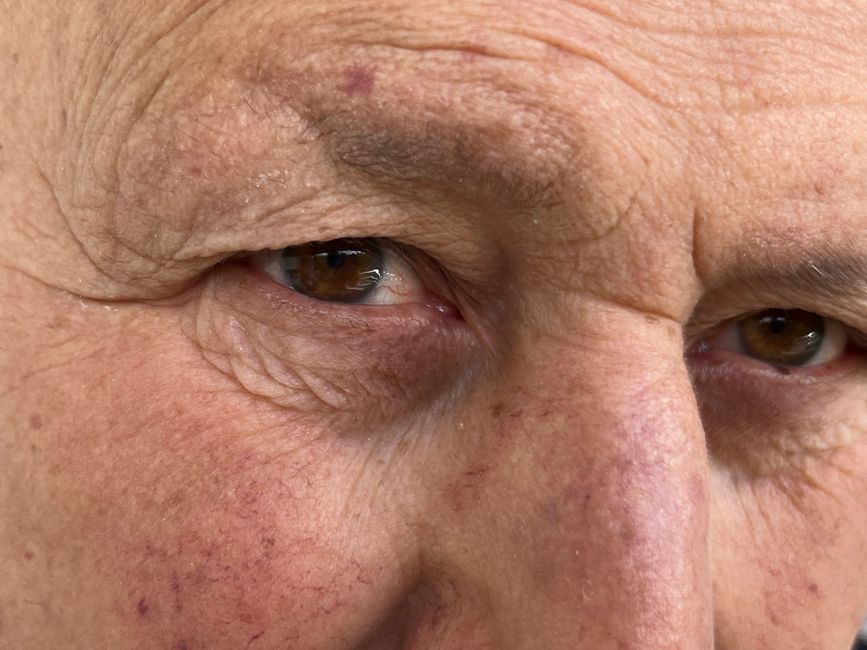
As a result, the skin loses firmness and elasticity, leading to wrinkles, sagging, dullness, and uneven tone. Overeating also increases oil production and inflammation, contributing to acne and puffiness, making a person look older than their age.
Effect on Brain Health and Cognitive Aging
Overeating does not only affect the body but also the brain. Excessive intake of processed foods and sugars increases inflammation in brain tissue. This inflammation damages neurons and reduces cognitive function.
Over time, this leads to memory problems, poor concentration, slower thinking, and increased risk of depression and anxiety. Cognitive decline is a major sign of aging, and overeating accelerates this process significantly.
Increased Risk of Age-Related Diseases
Overeating increases the risk of many chronic diseases commonly associated with aging. These include heart disease, high blood pressure, obesity, fatty liver disease, type 2 diabetes, and certain cancers.
When the body is constantly fighting disease, it has less energy available for repair and regeneration. This results in faster biological aging and reduced quality of life.
Reduced Longevity and Shortened Lifespan
Studies suggest that controlled calorie intake and balanced nutrition are linked to longer lifespan. Overeating, on the other hand, accelerates wear and tear on organs and reduces lifespan.
Excess food intake forces the body into a constant state of stress, which speeds up aging at the cellular level. This increases the likelihood of early physical decline and chronic illness.
Emotional Eating and Stress-Related Aging
Many people overeat due to emotional stress. Stress-related overeating increases cortisol levels, which further promotes fat storage and inflammation. High cortisol levels are strongly linked to accelerated aging, especially in the face and abdominal area.
Breaking the cycle of emotional eating can significantly slow down aging and improve both mental and physical health.
Importance of Portion Control and Mindful Eating
Mindful eating is one of the most effective strategies to slow aging. Eating slowly, recognizing hunger signals, and stopping before feeling overly full allows the body to digest food properly and absorb nutrients efficiently.

Balanced portion sizes reduce inflammation, protect organs, and support healthy metabolism. Quality of food matters more than quantity when it comes to healthy aging.
Simple Habits to Prevent Overeating
Preventing overeating does not require extreme dieting. Simple habits can make a big difference:
-
Eat at regular intervals
-
Avoid distractions while eating
-
Choose whole, unprocessed foods
-
Drink water before meals
-
Listen to your body’s hunger cues
These habits support healthy aging and improve overall well-being.
Conclusion
Overeating is a silent but powerful contributor to premature aging. It affects the body at every level, from cellular damage and inflammation to hormonal imbalance and chronic disease. While aging cannot be stopped, the speed at which it occurs can be controlled through mindful eating and balanced nutrition.
By reducing overeating and adopting healthier food habits, individuals can slow down aging, improve energy levels, protect organ health, and enhance longevity. A disciplined approach to eating is not just about weight control—it is a key factor in aging gracefully and living a healthier life







Comments 0
Sign in to join the conversation.
No comments yet. Be the first to say something.