

Table of Contents
1. The Importance of a Healthy Daily Lifestyle
2. Balanced Diet: Fueling the Body and Mind
3. Regular Exercise and Its Role in Long-Term Strength
4. Proper Sleep as a Pillar of Mental and Physical Health
5. Stress Management for Emotional Stability
1. The Importance of a Healthy Daily Lifestyle
Maintaining a healthy daily lifestyle is one of the most effective ways to ensure long-term physical strength, mental clarity, and emotional well-being. In today’s fast-paced world, unhealthy routines, poor dietary habits, and chronic stress have become common, leading to fatigue, reduced productivity, and long-term health issues. A well-structured lifestyle addresses these challenges by promoting balance, consistency, and self-awareness in daily routines.
A healthy lifestyle is not based on short-term changes or extreme habits. Instead, it focuses on sustainable practices that support the body and mind over time. When individuals prioritize health-oriented behaviors daily, they build resilience against illness, mental burnout, and emotional instability. These benefits accumulate gradually, creating lasting improvements in overall quality of life.
Understanding the importance of lifestyle choices empowers individuals to take control of their well-being. Each habit—nutrition, exercise, sleep, stress control, and hydration—works together as part of a unified system. When aligned, they enhance energy levels, cognitive performance, and emotional balance, making healthy living a long-term investment rather than a temporary goal.

2. Balanced Diet: Fueling the Body and Mind
A balanced diet is the cornerstone of a healthy lifestyle, providing essential nutrients that support physical strength and mental clarity. Consuming a variety of whole foods—such as fruits, vegetables, lean proteins, whole grains, and healthy fats—ensures the body receives vitamins, minerals, and antioxidants necessary for optimal function. Proper nutrition directly influences energy levels, immune response, and cognitive performance.The relationship between diet and mental clarity is particularly significant. Nutrient-rich foods support brain health, improve focus, and stabilize mood. Diets high in processed foods and refined sugars, on the other hand, can contribute to inflammation, fatigue, and emotional imbalance. A balanced dietary approach helps regulate blood sugar levels, promoting consistent energy throughout the day.Long-term adherence to healthy eating habits reduces the risk of chronic diseases such as heart disease, diabetes, and obesity. By viewing food as fuel rather than restriction, individuals can develop a positive relationship with nutrition. This mindset encourages mindful eating and supports sustainable health outcomes.
3. Regular Exercise and Its Role in Long-Term Strength
Regular exercise plays a vital role in maintaining physical strength and overall vitality. Physical activity strengthens muscles, improves cardiovascular health, and enhances flexibility and endurance. Over time, consistent movement supports bone density, joint health, and metabolic efficiency, all of which contribute to long-term physical resilience.
Exercise also has profound effects on mental clarity and emotional well-being. Physical activity stimulates the release of endorphins, which reduce stress and improve mood. Regular movement helps manage anxiety, sharpen concentration, and enhance cognitive function. Even moderate activities such as walking, stretching, or cycling can produce meaningful mental benefits.
A sustainable exercise routine focuses on consistency rather than intensity. Choosing activities that align with personal interests increases adherence and enjoyment. When exercise becomes a regular part of daily life, it supports both physical strength and mental balance, reinforcing the foundation of a healthy lifestyle.

4. Proper Sleep as a Pillar of Mental and Physical Health
Proper sleep is essential for restoring the body and maintaining mental clarity. During sleep, the body repairs tissues, regulates hormones, and consolidates memory. Chronic sleep deprivation can weaken immunity, reduce cognitive performance, and negatively impact emotional regulation.
Quality sleep directly affects physical strength by supporting muscle recovery and energy restoration. Without adequate rest, even balanced nutrition and regular exercise may not yield optimal results. Sleep also plays a critical role in emotional stability, helping individuals manage stress and maintain a positive mood.
Establishing consistent sleep routines, limiting screen exposure before bedtime, and creating a restful environment contribute to better sleep quality. Prioritizing sleep as a non-negotiable part of daily life enhances overall health and supports long-term well-being.

5. Stress Management for Emotional Stability
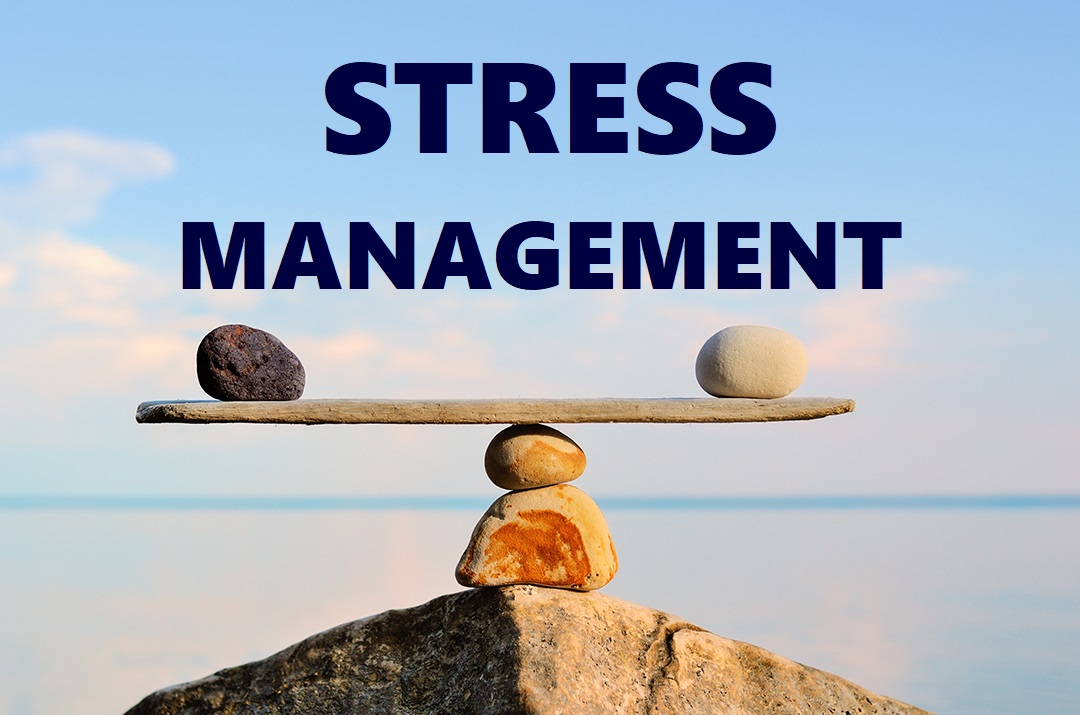
Effective stress management is crucial for maintaining emotional well-being and mental clarity. Chronic stress can disrupt hormonal balance, weaken immunity, and contribute to anxiety and burnout. A healthy lifestyle incorporates strategies that help individuals cope with stress constructively.
Techniques such as mindfulness, deep breathing, physical activity, and time management can significantly reduce stress levels. Emotional awareness and healthy communication also play important roles in managing daily pressures. When stress is addressed proactively, individuals experience improved focus, emotional resilience, and overall satisfaction.Stress management is not about eliminating challenges but about developing the skills to handle them effectively. By integrating relaxation practices into daily routines, individuals protect both mental and physical health while enhancing long-term emotional stability.








Comments 0
Sign in to join the conversation.
No comments yet. Be the first to say something.