

1. Introduction: The Rise of AI in Education
2. Personalized Learning at Scale
3. Intelligent Tutoring Systems and Real-Time Feedback
4. Automating Administrative and Grading Tasks
5. Enhancing Engagement with AI-Powered Tools
6. Bridging Learning Gaps Through Data Analytics
7. Addressing Equity and Accessibility in Education
8. Preparing Educators and Students for an AI-Driven Future
1. Introduction: The Rise of AI in Education
The rapid advancement of artificial intelligence (AI) is not just transforming industries—it’s reshaping the educational landscape as well. Schools and universities worldwide are beginning to leverage AI to optimize learning outcomes, enhance teacher efficiency, and support student engagement. From smart algorithms that tailor learning experiences to tools that automate grading and feedback, AI is infusing classrooms with new levels of intelligence and interactivity. As education systems evolve to meet the demands of a digital-first generation, the integration of AI offers both opportunities and challenges. Understanding how this technology is being applied in educational contexts is crucial for stakeholders seeking to foster innovation and inclusivity in the classroom.

2. Personalized Learning at Scale
One of the most transformative impacts of AI in education is its ability to deliver personalized learning experiences to students. Traditional teaching methods often follow a one-size-fits-all model, which may leave some students behind while others feel unchallenged. AI changes this dynamic by analyzing student performance in real-time and adapting content to their individual learning pace and style. Platforms like DreamBox, Century Tech, and Knewton use machine learning algorithms to recommend resources, activities, or questions tailored to each learner. This individualized approach not only enhances comprehension but also boosts confidence and motivation. With AI, educators can identify strengths and weaknesses more effectively, ensuring that every student receives the support they need to succeed.
3. Intelligent Tutoring Systems and Real-Time Feedback
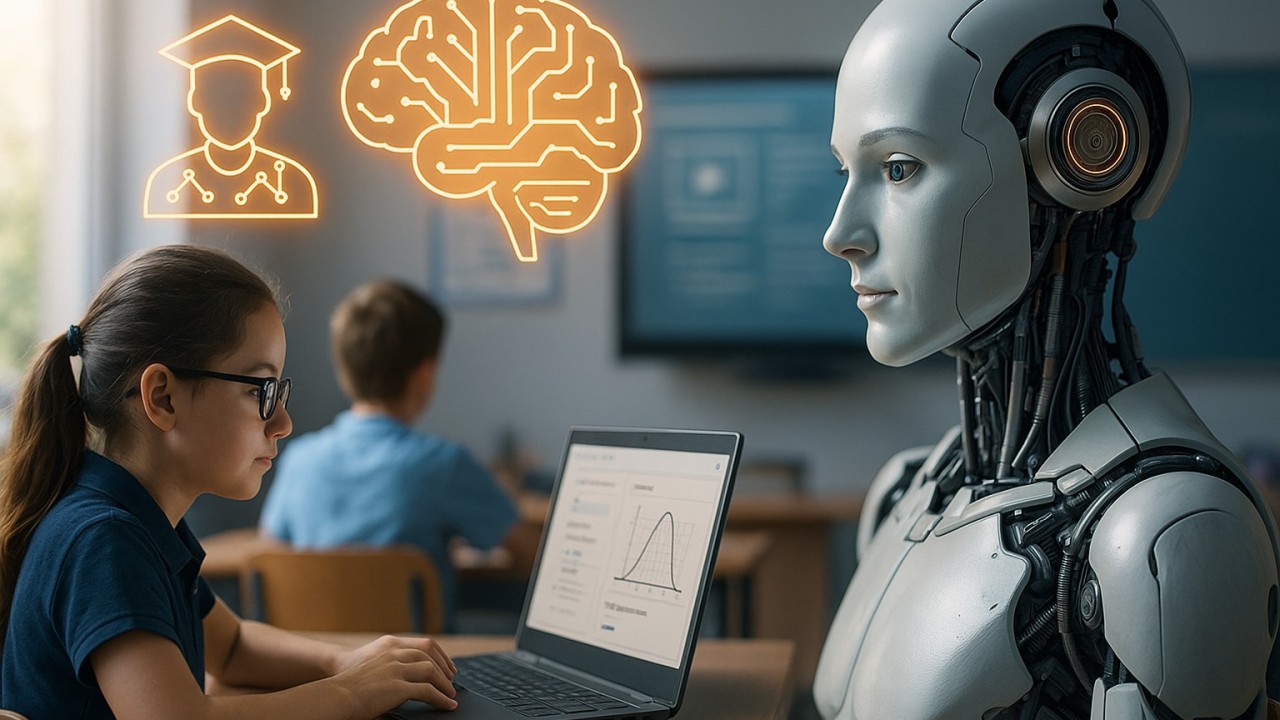
AI-driven tutoring systems are redefining how students receive academic support outside the traditional classroom setting. These intelligent systems, such as Carnegie Learning and Squirrel AI, simulate human tutors by providing step-by-step guidance, identifying mistakes, and offering real-time feedback. The ability to interact with a responsive, always-available tutor allows students to reinforce their understanding without waiting for the next classroom session. Moreover, AI can track progress over time, adjusting instruction based on prior performance and learning patterns. This not only helps students learn more efficiently but also empowers them to take greater ownership of their educational journey. Real-time feedback also encourages a growth mindset by highlighting areas for improvement rather than simply assigning grades.

4. Automating Administrative and Grading Tasks
Teachers often face an overwhelming workload that includes lesson planning, grading, attendance, and communication with parents. AI significantly reduces this burden by automating many time-consuming administrative tasks. For instance, tools like Gradescope allow educators to quickly and fairly grade large volumes of assignments using AI-assisted recognition. Similarly, learning management systems (LMS) such as Canvas and Moodle integrate AI features to track student engagement and suggest content updates. Automation frees up valuable time for educators, allowing them to focus more on instructional quality and student interaction. Additionally, predictive analytics can forecast student performance trends, alerting teachers to potential issues before they become major obstacles.
5. Enhancing Engagement with AI-Powered Tools
Engaging students in the learning process is a perennial challenge for educators. AI enhances engagement by enabling the use of interactive technologies such as chatbots, gamified learning platforms, and virtual or augmented reality experiences. Tools like Duolingo use gamification and adaptive algorithms to keep learners motivated, while platforms such as Labster provide virtual science labs that bring experiments to life. AI can also tailor content to align with students’ interests and preferred learning styles, making education more enjoyable and effective. These technologies not only make learning more dynamic but also foster curiosity and deeper cognitive engagement, crucial for long-term knowledge retention.

6. Bridging Learning Gaps Through Data Analytics
AI systems excel at analyzing vast amounts of data to uncover patterns that human educators might miss. This capability is invaluable in identifying learning gaps early and providing targeted interventions. For example, AI can detect when a student is consistently underperforming in a particular area and suggest supplementary materials or personalized tutoring. Predictive analytics can also help institutions anticipate dropout risks and implement preventative strategies. Such data-driven insights support more equitable and effective education by ensuring that no student falls through the cracks. By transforming raw performance data into actionable insights, AI enables continuous learning improvement and supports evidence-based decision-making.

7. Addressing Equity and Accessibility in Education
AI holds the potential to make education more inclusive by addressing diverse learning needs and removing traditional barriers. Speech recognition and natural language processing technologies can aid students with dyslexia or other learning disabilities, while AI-powered translation tools can support multilingual learners. Closed captioning and voice-controlled interfaces enhance accessibility for students with hearing or mobility impairments. Furthermore, personalized learning tools can provide extra support to underserved students who may lack one-on-one teacher attention. However, it's essential to address ethical concerns related to bias in AI algorithms and ensure that technology implementation is guided by fairness and inclusivity principles. When used responsibly, AI can be a powerful equalizer in education.


You must be logged in to post a comment.