

The Hidden Forces Controlling Your Decisions
Introduction
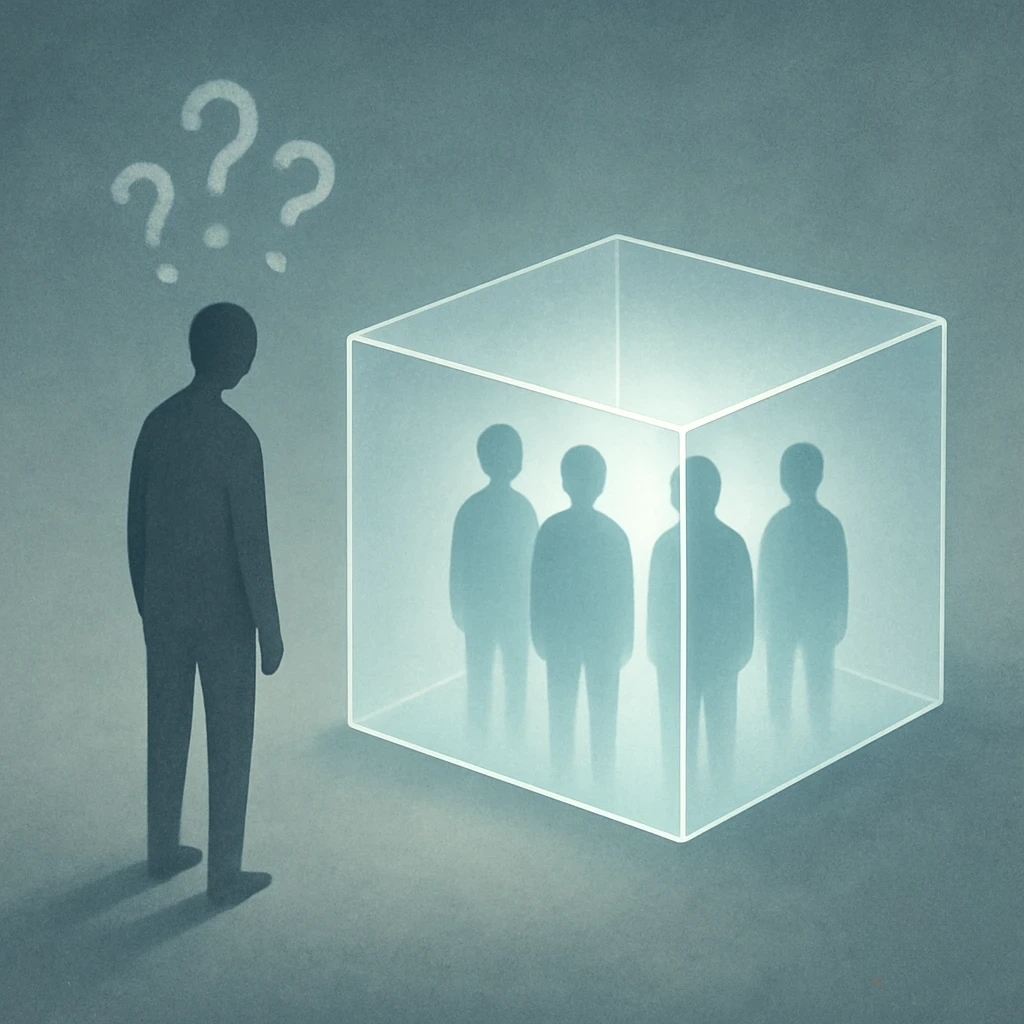
Every day, you make hundreds—if not thousands—of decisions. From what to eat for breakfast to major life choices like career paths and relationships, it feels like you are fully in control. But what if that sense of control is only an illusion?
The truth is, your decisions are not entirely your own. Beneath the surface, hidden psychological, biological, and social forces constantly influence what you think, feel, and ultimately choose.
This article uncovers the shocking truth about the invisible forces shaping your decisions. Once you understand them, you’ll not only see yourself differently—you’ll gain the power to make smarter, more intentional choices.
The Illusion of Free Will
Are You Really in Control?
Most people believe they consciously make decisions using logic and reasoning. However, research shows that many decisions are made subconsciously before you’re even aware of them.
Your brain often decides first—and then your conscious mind creates a story to justify it.
The 95% Rule
Studies suggest that up to 95% of your decisions are driven by subconscious processes. That means:
Your habits control your daily actions
Your emotions guide your choices
Your environment shapes your preferences
You are not as rational as you think—you are influenced more than you realize.
Your Brain’s Hidden Decision-Making System
The Fast vs. Slow Brain
Your brain operates using two systems:
Fast Thinking (Automatic)
Quick
Emotional
Instinctive
Slow Thinking (Deliberate)
Logical
Analytical
Effortful
Most of your decisions come from the fast system because it saves energy.
Why Your Brain Prefers Shortcuts
Your brain is designed to conserve energy. To do this, it uses mental shortcuts called heuristics.
These shortcuts:
Help you make quick decisions
Reduce mental effort
Increase efficiency
But they also lead to biases and errors.
Cognitive Biases That Control You
What Are Cognitive Biases?
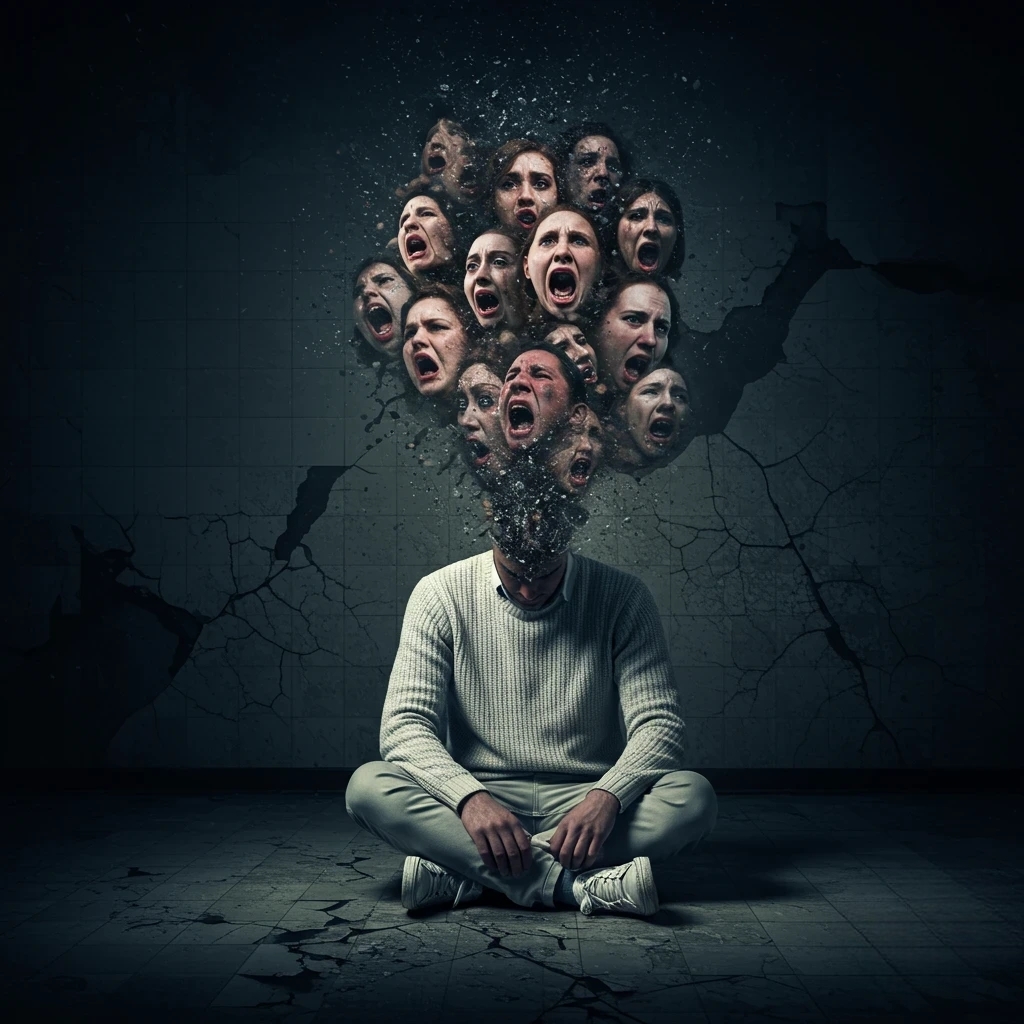
Cognitive biases are systematic errors in thinking that affect your decisions and judgments.
They operate silently in the background, influencing your choices without your awareness.
Common Biases Affecting Your Decisions
1. Confirmation Bias
You favor information that supports your existing beliefs.
Ignore opposing views
Seek validation instead of truth
2. Anchoring Effect
You rely heavily on the first piece of information you receive.
First price sets expectations
First impression dominates judgment
3. Social Proof
You follow the actions of others.
“Everyone is doing it” becomes your logic
Popularity influences trust
4. Loss Aversion
You fear losses more than you value gains.
Avoid risks even when beneficial
Hold onto bad decisions too long
Emotions: The Invisible Drivers
You Feel First, Then Decide
Contrary to popular belief, emotions play a central role in decision-making.
Fear pushes you to avoid risks
Happiness encourages impulsive choices
Anger leads to irrational decisions
Emotional Triggers in Everyday Life
Your decisions are influenced by subtle emotional cues:
Music in stores affects buying behavior
Colors influence mood and choices
Words trigger emotional responses
The Power of Habits
Habits Run Your Life
A large portion of your daily actions are habits—not conscious decisions.
Habits form through repetition and become automatic over time.
The Habit Loop
Every habit follows a simple cycle:
Cue – Trigger
Routine – Action
Reward – Benefit
This loop keeps repeating, shaping your behavior.
Why Habits Are Hard to Break
They are stored in deep brain structures
They require less energy than new actions
Your brain prefers familiarity
Social Influence and Peer Pressure
You Are More Influenced Than You Think
Humans are social beings. Your decisions are heavily shaped by others.
Even when you think you’re independent, you’re often influenced by:
Friends and family
Cultural norms
Social media trends
The Need to Belong
Your brain is wired for connection. This leads to:
Conforming to group behavior
Avoiding rejection
Following trends without questioning
The Environment Shapes Your Choices
Your Surroundings Control You
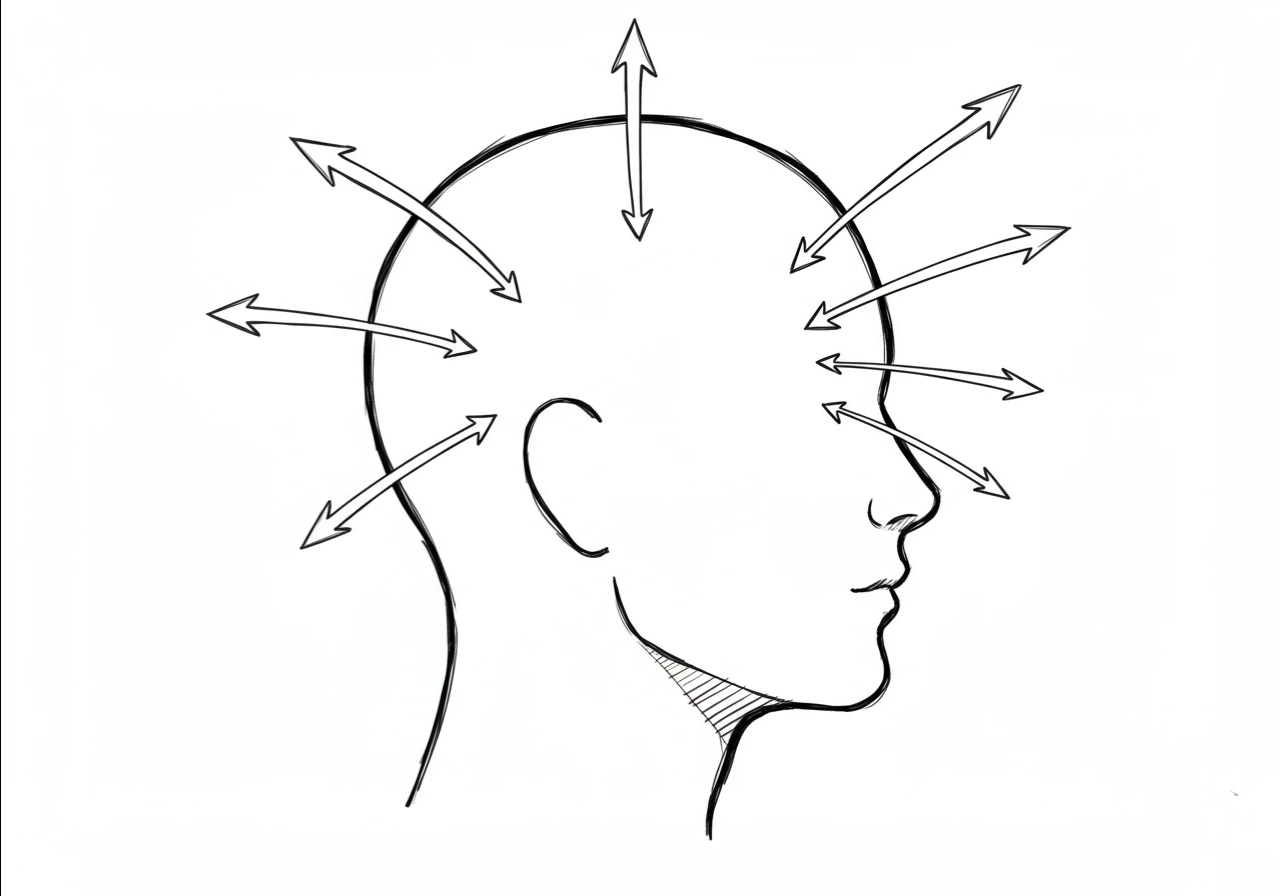
Your physical environment plays a major role in your decisions.
For example:
Food placement affects what you eat
Lighting influences mood
Layout impacts behavior
The Power of Defaults
People tend to stick with default options.
Default settings guide choices
Effort discourages change
Simplicity wins over complexity
Marketing and Manipulation Techniques
How Companies Influence Your Decisions
Businesses spend billions to understand and influence your behavior.
They use psychological tactics such as:
Scarcity (“Only 2 left!”)
Urgency (“Limited time offer”)
Social proof (“Best-selling product”)
The Science of Persuasion
Marketing taps into your subconscious by:
Triggering emotions
Simplifying choices
Creating desire
You think you’re choosing—but often, you’re being guided.
The Role of Past Experiences
Your History Shapes Your Future
Your past experiences influence how you make decisions today.
Childhood shapes beliefs
Past failures create fear
Success builds confidence
Mental Patterns and Conditioning
Over time, your brain forms patterns:
Repeated thoughts become beliefs
Beliefs shape behavior
Behavior reinforces beliefs
This cycle keeps you stuck in familiar decision patterns.
Fear and Survival Instincts
Your Brain Is Built for Survival, Not Logic
Your brain evolved to keep you safe, not to make perfect decisions.
This leads to:
Overestimating danger
Avoiding uncertainty
Preferring safety over growth
Fear-Based Decisions
Fear can cause you to:
Miss opportunities
Stay in toxic situations
Avoid necessary risks
Technology and Digital Influence
How Technology Controls Your Choices
Digital platforms are designed to influence your behavior.
They use:
Algorithms to show personalized content
Notifications to capture attention
Infinite scrolling to keep you engaged
Dopamine and Decision-Making
Every like, comment, or notification triggers dopamine—a feel-good chemical.
This creates:
Addiction to apps
Impulsive decisions
Reduced self-control
The Hidden Power of Language
Words Shape Your Reality
The way information is presented affects your decisions.
For example:
“90% success rate” feels better than “10% failure rate”
Positive framing influences choices
Subtle Persuasion Through Language
Language can:
Trigger emotions
Influence perception
Guide decisions without awareness
Decision Fatigue: Why You Make Worse Choices Over Time
The Brain Gets Tired
The more decisions you make, the harder it becomes to make good ones.
This leads to:
Impulsive choices
Poor judgment
Avoidance of decisions
Signs of Decision Fatigue
Feeling overwhelmed
Choosing the easiest option
Procrastination
How to Take Back Control
Build Awareness
The first step is recognizing these hidden forces.
Question your decisions
Reflect on your motivations
Identify patterns
Slow Down Your Thinking
Pause before making decisions
Avoid impulsive reactions
Use logic when possible
Design Your Environment
Make better choices easier by:
Removing distractions
Organizing your space
Setting positive defaults
Manage Your Emotions
Practice mindfulness
Avoid decisions when emotional
Develop emotional awareness
Limit External Influence
Reduce social media exposure
Think independently
Challenge popular opinions
Practical Tips for Better Decision-Making
Sleep before making big decisions
Write down pros and cons
Seek diverse perspectives
Avoid rushing important choices
Learn from past mistakes
The Truth You Can’t Ignore
Your decisions are not entirely yours.
They are shaped by:
Your brain’s wiring
Your emotions
Your environment
Your past experiences
External influences
But this is not a weakness—it’s an opportunity.
Conclusion
The hidden forces controlling your decisions are powerful—but not unstoppable.
Once you become aware of them, you gain an incredible advantage. You begin to see through illusions, question automatic reactions, and take control of your life in a deeper, more meaningful way.
True freedom doesn’t come from making choices blindly—it comes from understanding why you make them.
So the next time you make a decision, ask yourself:
Is this really my choice… or is something else choosing for me?

You must be logged in to post a comment.