


In today’s competitive marketplace, customer loyalty is more valuable than ever. While acquiring new customers is essential, retaining existing ones can be even more profitable. Turning a one-time buyer into a lifetime customer requires more than just a great product or service—it demands building strong, lasting relationships based on trust, value, and consistent engagement. This article explores key strategies to transform single sales into enduring customer connections.

1. Understand Your Customers’ Needs and Goals
Key Keywords: customer insights, pain points, personalized solutions, customer journey, empathy
To build lasting relationships, businesses must first understand their customers deeply. Beyond knowing what they buy, it’s crucial to understand why they buy and what they aim to achieve. Identifying their needs, preferences, and pain points is the foundation for delivering meaningful value.
Strategies for Understanding Customer Needs:
- Customer Personas: Develop detailed profiles of your ideal customers, including their demographics, behavior, and goals.
- Empathy Mapping: Understand what your customers think, feel, and experience when interacting with your brand. This helps in addressing their concerns effectively.
- Customer Feedback: Use surveys, reviews, and direct communication to gather insights into what your customers appreciate and where they feel improvements are needed.
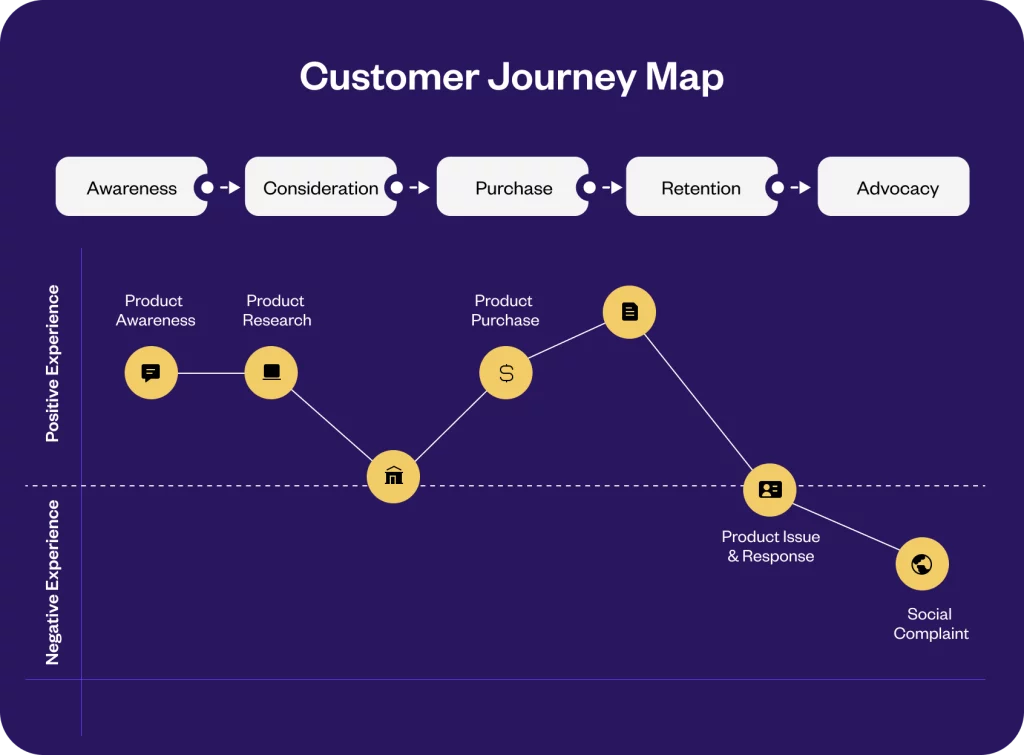
- Monitor the Customer Journey: Map out the entire journey a customer takes, from initial awareness to post-purchase interactions, to identify key touchpoints for engagement.
2. Deliver Exceptional Post-Sale Support
Key Keywords: customer service, follow-up, support, onboarding, satisfaction
A sale doesn’t end with a transaction; it’s the beginning of a relationship. Providing excellent post-sale support ensures that customers feel valued and builds trust that encourages them to return.
Best Practices for Post-Sale Support:
- Welcome and Onboarding: Send a welcome email or kit that helps customers get the most out of their purchase. This is especially important for complex products or services.
- Timely Follow-Ups: Reach out after the sale to ensure the customer is satisfied. This could be a simple thank-you message, a satisfaction survey, or tips for using the product.
- Proactive Problem-Solving: Anticipate potential challenges your customers might face and offer solutions before they ask.
- Accessible Support Channels: Provide multiple ways for customers to contact you, such as phone, chat, and email, and ensure fast, effective responses.
3. Build Trust Through Consistent Value
Key Keywords: value, reliability, transparency, trust-building, long-term engagement
Trust is the cornerstone of any lasting relationship. To convert one-time buyers into loyal customers, brands must consistently deliver on their promises and offer ongoing value.
Ways to Build Trust:
- Quality Assurance: Ensure your products and services consistently meet or exceed customer expectations.
- Transparent Communication: Be honest about pricing, policies, and any limitations of your offerings. Transparency builds credibility.
- Educational Content: Share resources, tips, or insights that help customers succeed with your product or service.
- Reliable Performance: Demonstrate reliability by consistently delivering on commitments, whether it’s product delivery times, customer service standards, or promised outcomes.
4. Personalize the Customer Experience
Key Keywords: personalization, tailored communication, customer data, dynamic content, individualized attention
Customers are more likely to remain loyal to brands that make them feel seen and valued. Personalization involves tailoring interactions to meet individual customer preferences and needs.
Techniques for Personalization:
- Segmented Communication: Use customer data to send personalized emails, offers, and recommendations based on past purchases or browsing behavior.
- Dynamic Content: Update website and app experiences to reflect individual customer preferences, such as highlighting products they’ve shown interest in.
- Special Milestones: Recognize customer birthdays, anniversaries, or loyalty milestones with personalized messages or exclusive rewards.
- Customized Solutions: For service-based businesses, offer solutions tailored to the specific goals or challenges of each customer.
5. Foster a Community Around Your Brand
Key Keywords: brand community, engagement, social media, user-generated content, loyalty programs
Building a sense of belonging can transform one-time buyers into passionate advocates for your brand. Customers who feel part of a community are more likely to remain engaged and loyal.
Strategies to Build a Brand Community:
- Social Media Engagement: Use social platforms to interact with your customers, encourage discussions, and celebrate their stories.
- User-Generated Content: Invite customers to share their experiences, photos, or reviews of your products. Highlight their contributions to strengthen the connection.
- Exclusive Groups: Create forums, online groups, or events where customers can connect with each other and with your brand.
- Loyalty Programs: Offer rewards for repeat purchases, referrals, or community participation. These programs incentivize long-term engagement.
6. Stay Top of Mind with Regular Engagement
Key Keywords: consistent communication, retention marketing, email campaigns, re-engagement, content marketing
Staying connected with your customers ensures they don’t forget about your brand. Regular engagement through meaningful content keeps your brand relevant and builds stronger relationships.
Tips for Maintaining Customer Engagement:
- Email Marketing: Send newsletters, product updates, or personalized offers to keep customers informed and interested.
- Social Media Updates: Post regularly on social platforms to share news, promotions, and engaging content that resonates with your audience.
- Re-Engagement Campaigns: Reach out to inactive customers with special offers or reminders to bring them back.
- Content Marketing: Publish blogs, videos, or guides that provide ongoing value to your customers and reinforce your expertise.
7. Gather Feedback and Act on It
Key Keywords: customer feedback, improvement, responsiveness, listening, innovation
Listening to your customers and incorporating their feedback into your business practices demonstrates that you value their opinions. This creates a partnership dynamic, fostering loyalty and trust.
How to Leverage Feedback:
- Ask for Reviews: Encourage customers to share their thoughts about your products or services. Highlight positive feedback while addressing concerns constructively.
- Conduct Surveys: Use surveys to gather insights into customer satisfaction and areas for improvement.
- Act Promptly: Show customers that their feedback matters by implementing changes or improvements based on their suggestions.
- Close the Loop: Inform customers about how their feedback has influenced your business. This reinforces their sense of involvement and value.
8. Measure and Optimize Customer Retention Efforts
Key Keywords: retention metrics, customer lifetime value, churn rate, ROI, optimization
To effectively turn one-time buyers into lifetime customers, you need to track and analyze the success of your relationship-building efforts. Use data to identify what’s working and refine your approach over time.
Metrics to Track:
- Customer Lifetime Value (CLV): Measure the total revenue a customer is expected to generate over their relationship with your business.
- Churn Rate: Track the percentage of customers who stop engaging with your brand over a given period.
- Retention Rate: Monitor the percentage of customers who continue to make purchases over time.
- Engagement Metrics: Analyze open rates, click-through rates, and social media interactions to gauge how well your content is resonating.
9. Conclusion
Turning one-time buyers into lifetime customers is a strategic process that focuses on building trust, delivering value, and maintaining meaningful engagement. By understanding your customers’ needs, providing exceptional support, and fostering personal connections, you can create relationships that go beyond transactions. With consistent effort and a customer-centric approach, your business can cultivate loyal customers who not only return but also advocate for your brand.
Keywords Recap: customer loyalty, retention, personalization, trust-building, engagement, lifetime value, brand community, customer feedback





Comments 0
Sign in to join the conversation.
No comments yet. Be the first to say something.