

Entertainment, encompassing film, music, literature, theater, and more, serves as both a reflection of society and an agent of change. It captures the essence of culture, politics, and social dynamics, while simultaneously influencing public opinion, values, and behaviors. This dual role highlights the powerful connection between art and society over time.
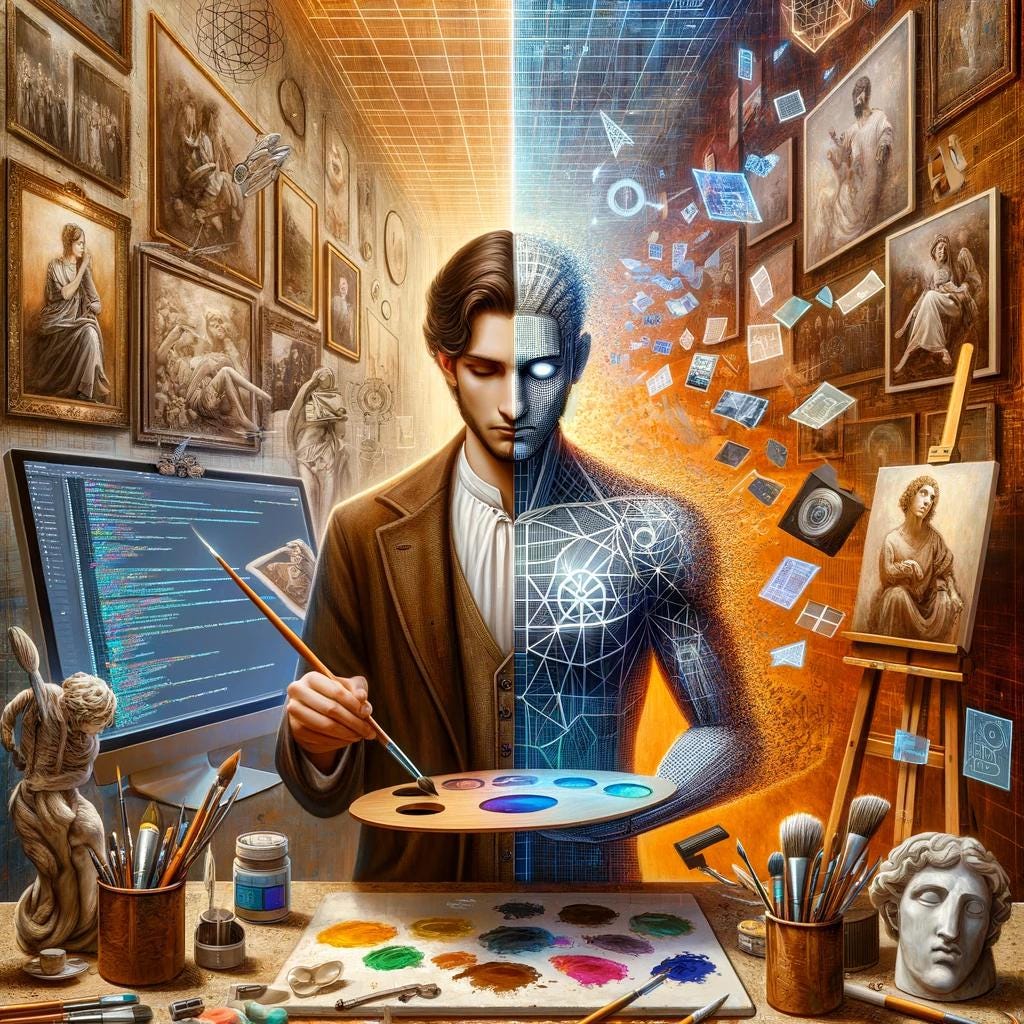
Art as a Reflection of Society
Art has long been a medium through which societies record their experiences, values, and struggles. It serves as a historical archive, preserving cultural and social narratives for future generations.
1. Capturing Social Issues
Entertainment often mirrors societal concerns, making complex issues accessible to a wider audience.
- Example: The civil rights movement of the 1960s inspired films like To Kill a Mockingbird and music like Bob Dylan's Blowin' in the Wind, spotlighting racial inequality.
2. Portraying Cultural Shifts
As societies evolve, so do the themes in entertainment, reflecting changing norms and attitudes.
- Example: The feminist movement influenced literature, films, and television, bringing strong female protagonists to the forefront.
3. Providing Emotional Resonance
Art captures the emotional essence of its time, offering a lens into the collective consciousness.
- Example: Post-9/11, music and film often explored themes of loss, resilience, and unity, resonating with a grieving world.
Art as a Shaper of Society
Entertainment doesn't merely reflect societal realities; it also shapes them by influencing how people think, feel, and act.
1. Shaping Public Opinion
Entertainment can sway public sentiment and spark movements for change.
- Example: Uncle Tom's Cabin by Harriet Beecher Stowe is credited with galvanizing anti-slavery sentiment in 19th-century America.
2. Breaking Taboos
Art challenges societal norms and paves the way for progressive ideas.
- Example: LGBTQ+ representation in media, such as Will & Grace and Pose, has played a pivotal role in fostering acceptance.
3. Inspiring Innovation and Imagination
Creative works inspire advancements by pushing the boundaries of what’s possible.
- Example: Science fiction, from Star Trek to Black Mirror, has influenced technological innovation and ethical discussions about artificial intelligence and space exploration.
The Evolution of Entertainment Over Time
As societies have grown and changed, so has the nature of entertainment, adapting to technological advancements and cultural shifts.
1. The Role of Technology
Advances in technology have transformed how art is created, consumed, and shared.
- Early Example: The printing press democratized literature.
- Modern Example: Streaming platforms like Netflix and Spotify make entertainment globally accessible.
2. Globalization and Cultural Exchange
In today’s interconnected world, entertainment bridges cultural divides, fostering a global dialogue.
- Example: South Korean pop culture, including K-dramas and BTS, has achieved worldwide influence, blending local traditions with universal themes.
Challenges in Entertainment’s Role
While entertainment wields immense power, it also faces challenges in its dual role.
1. Risk of Stereotyping
Art can perpetuate harmful stereotypes when it misrepresents communities or issues.
- Example: Early Hollywood films often depicted racial and gender biases that influenced societal attitudes.
2. Commercialization vs. Authenticity
The profit-driven nature of entertainment can sometimes prioritize commercial success over meaningful storytelling.
- Example: Critics argue that formulaic blockbusters may stifle creativity and depth.
3. Censorship and Freedom of Expression
Art's ability to reflect and challenge society can be curtailed by censorship, limiting its impact.
- Example: Banned books and films highlight tensions between creative freedom and societal norms.
Art’s Enduring Impact on Society
Entertainment continues to play a vital role in shaping the world by:
- Promoting Empathy: Stories foster understanding by allowing audiences to see through others’ perspectives.
- Driving Activism: Documentaries and social media campaigns amplify awareness and inspire action.
- Preserving Identity: Cultural art forms preserve traditions in an ever-changing world.
Looking Ahead: The Future of Entertainment and Society
The relationship between entertainment and society is poised for further evolution, driven by:
- Technological Advances: Virtual reality (VR) and augmented reality (AR) will provide immersive storytelling experiences.
- Social Responsibility: Audiences increasingly demand diverse and authentic representation.
- Interactive Media: Video games and participatory platforms will engage users as co-creators of art.
Conclusion
Entertainment remains a powerful mirror and molder of society, capturing its complexities while inspiring progress. By reflecting on the past, challenging the present, and imagining the future, art continues to bridge divides, spark dialogue, and enrich humanity.

You must be logged in to post a comment.